

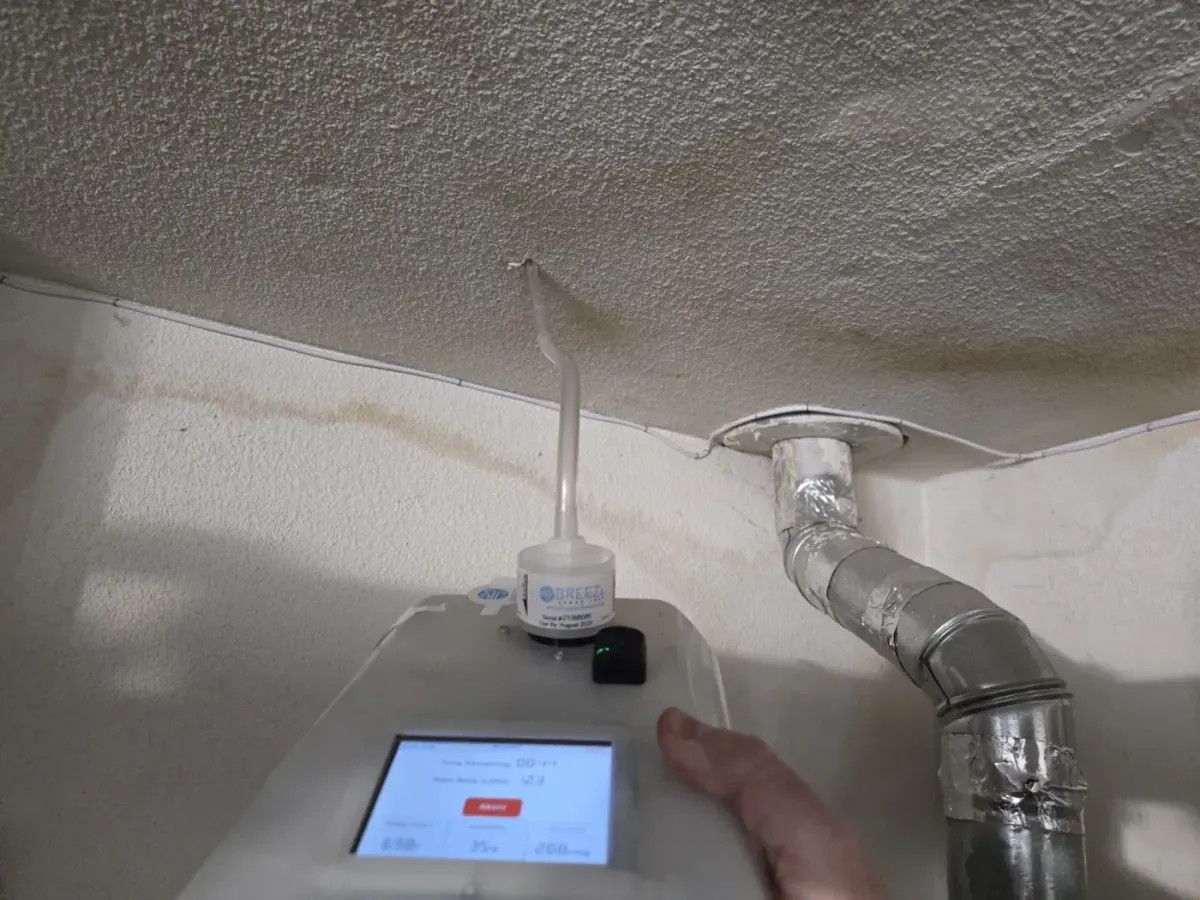
Mold Testing for Renters in California
How to Protect Yourself, Resolve Issues, and Document Conditions When Needed
If you're renting and dealing with musty odors, suspected mold, or recurring water leaks, you're not alone. Many indoor air quality issues start with unresolved moisture—and disputes often happen when there's no clear record of what was found, what was fixed, and whether the indoor environment returned to normal.
The EPA notes that concentrations of some indoor pollutants can be higher than outdoors, and people spend about 90% of their time indoors, which is why indoor conditions matter.
This page explains a practical, California-based approach renters can follow—starting with working things out with the landlord, and ending with mold testing as the final recourse when you need objective documentation.
Why Renter Mold/IAQ Problems Usually Happen
Most renter concerns trace back to moisture that wasn't fully corrected, such as:
When materials stay damp behind walls, under flooring, or inside cabinetry, conditions can develop that affect odor and indoor air—even if mold isn't obvious.
California Habitability in Plain Language
California guidance from the Attorney General explains that landlords must keep rentals habitable (safe and fit to live in) and specifically calls out visible mold and dampness as conditions tenants may request repairs for—and recommends requests be made in writing and documented.
California Civil Code §1941.1 describes minimum habitability standards (for example, effective weatherproofing and plumbing maintained in good working order)—the kinds of failures that often lead to moisture intrusion and indoor air quality concerns.
California also treats certain dampness/mold conditions as potentially “substandard housing” for enforcement purposes, and code enforcement/health officers can require correction when conditions meet that threshold.
The Renter-First Approach
Try to Resolve It With the Landlord
Before you pay for any testing, the best first step is almost always to try to resolve the issue with property management.
Document what you’re noticing (without guessing)
- •Photos/video of staining, bubbling paint, wet drywall, damaged baseboards
- •Dates, times, and locations (room + exact area)
- •Odor patterns (e.g., "musty smell increases after rain," "odor strongest in bathroom closet")
- •A brief symptom log if relevant (non-medical, just "when/where")
Request repairs in writing
- •California’s AG habitability guidance emphasizes written requests and keeping copies/photos of communications
- •Email or text is fine—what matters is a timestamped record
Ask for inspection + repair of the moisture source
- •A "wipe down" or air freshener is not a repair. Repairs should address the cause of dampness.
If it’s not resolved, escalate appropriately
- •If repairs are not made adequately within a reasonable time, renters may contact local enforcement resources (city code enforcement/building department/health department)
- •These agencies can inspect and require correction in some situations
Retaliation note: California has tenant protections against retaliation for lawful complaints/requests relating to habitability, including Civil Code §1942.5.
When Mold Testing Becomes the Final Recourse
If you've already tried the reasonable steps above—and the issue persists, is denied, or is minimized—mold testing is often the most practical way for renters to obtain objective documentation.
Why? Because it answers the question that matters in disputes:
“Is the indoor air within acceptable expectations, or do results suggest an abnormal indoor condition?”
A Professional Mold Inspection & Testing Evaluation Typically Includes:
This is why air testing is often the “final recourse” for renters: it produces third-party, lab-analyzed results plus a written report that can be shared as evidence.
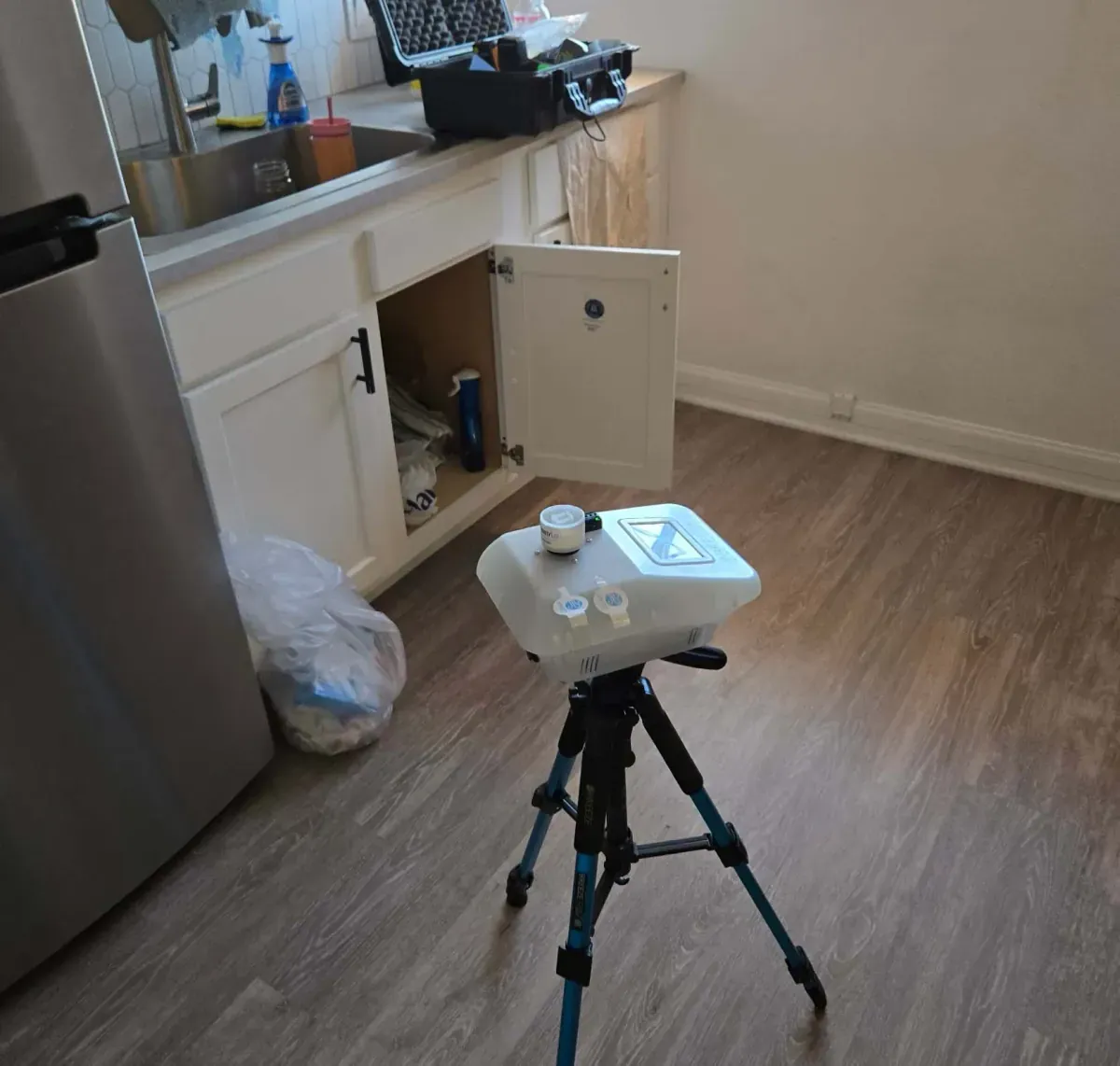
Need Objective Documentation?
Mold Testing & Inspection
If you've already tried to resolve mold or moisture concerns with property management and you're not getting meaningful action, professional mold testing with lab-certified results can provide the objective documentation you need.
What “Baseline Comparison” Means (and Why It Matters)
Outdoor air naturally contains spores and particulates. The point of a baseline is not “zero mold”—it's context.
A baseline comparison helps determine whether indoor results appear consistent with:
Normal outdoor background conditions
Patterns that suggest a likely indoor contributor consistent with dampness/mold conditions
This is also why “just checking moisture” rarely resolves renter disputes. Moisture readings can be useful, but they often don't create the clear, shareable documentation that an interpreted lab report can.
What a Mold Testing Report Can and Cannot Do
A report can:
- Document sampled conditions and lab findings on specific date(s)
- Provide a clear explanation of results using baseline comparison when appropriate
- Support a request for proper repair/remediation and verification
- Provide objective documentation if informal resolution fails
A report cannot:
- Replace repairs (testing doesn’t fix the moisture source)
- Guarantee health outcomes or diagnose medical conditions
- Guarantee how a landlord, agency, or court will respond
Why Prevention Matters for Landlords (and Why Tenants Get Stuck)
CDPH emphasizes that dampness and mold in buildings can create health concerns and that addressing moisture is the key to prevention and correction.
From the landlord side, prevention reduces cost and conflict. From the tenant side, prevention determines whether the issue ends quickly—or becomes a dispute.
California Required Tenant Education (Mold Booklet)
Beginning January 1, 2022, California Health & Safety Code §26148 requires residential landlords to provide the CDPH mold booklet to prospective tenants prior to entering a rental/lease agreement.
That booklet is also a useful resource for renters to understand how dampness/mold is discussed at the state level.
How Renters Should Use Testing Responsibly
If you're considering mold testing, here's the best sequence to avoid wasted time and money:
Try to resolve it first (written request + allow access)
If unresolved, schedule mold testing with baseline comparison
Share the written report with property management
Request specific corrective action (repair the moisture source, correct damaged materials, and verify)
If needed, use the report as part of a formal documentation pathway
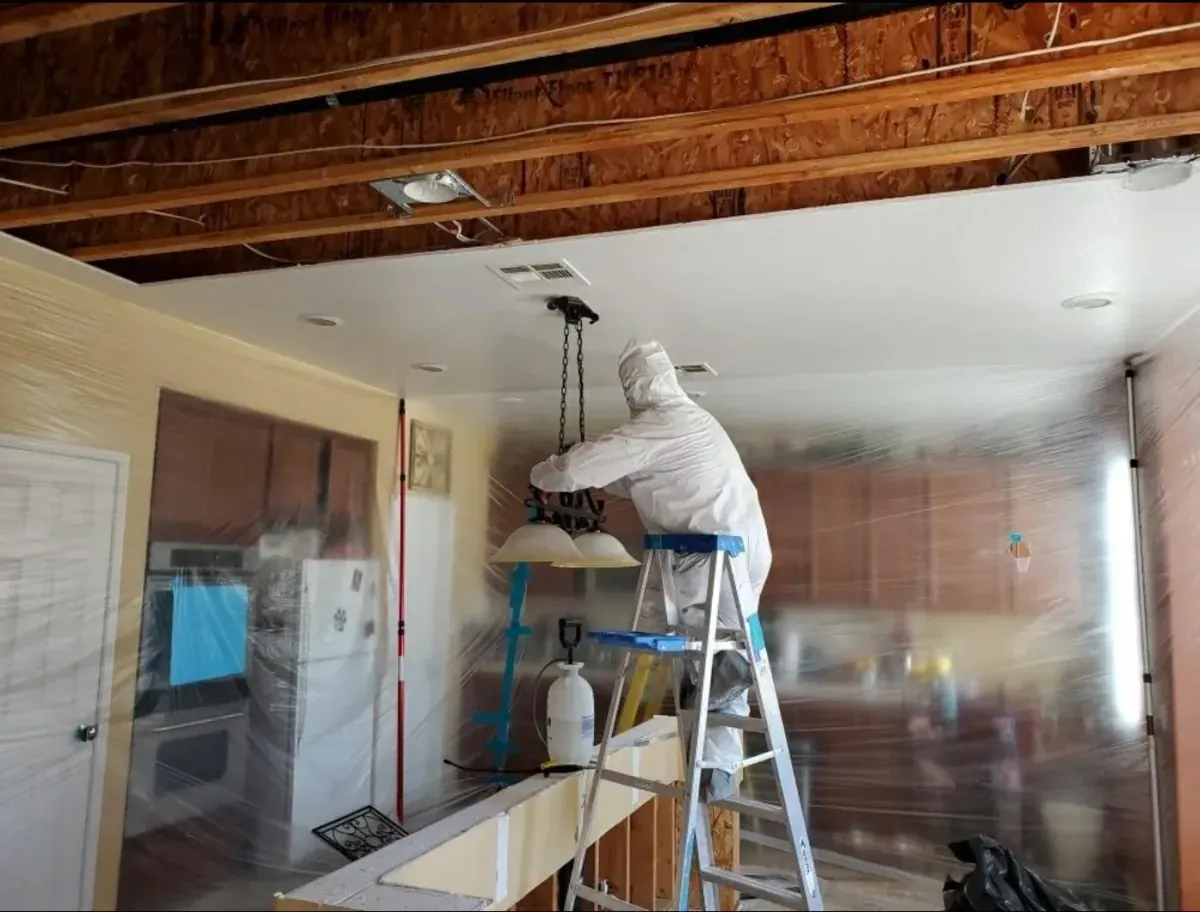
If You're a Renter and Need Objective Documentation
If you've already tried to resolve mold or moisture concerns with property management and you're not getting meaningful action, professional mold testing with lab-certified results can provide the objective documentation you need.
We always recommend working with the landlord first. When those attempts have been exhausted, mold testing and a written report can help document whether indoor conditions appear within normal expectations or suggest an abnormal indoor contributor consistent with dampness/mold.
Frequently Asked Questions
Is "mold" automatically a habitability violation?
Not always. But California tenant guidance recognizes visible mold/dampness as health hazards that tenants may request repairs for, and enforcement pathways may treat certain conditions as substandard housing.
If the landlord says "we don’t see mold," does that mean nothing is wrong?
Not necessarily. Many moisture problems are hidden (behind walls, under flooring, inside cabinetry). That’s exactly where air testing plus baseline comparison can help document whether the indoor environment suggests an abnormal indoor contributor.
Does the state set a single "pass/fail" mold number?
There’s no universal threshold — inspectors interpret results using outdoor comparison, site history, and visible conditions rather than a single number. That’s why we recommend retaining your own mold inspector who can evaluate the full scope of conditions in your unit, including moisture sources and building history.
Can I be retaliated against for requesting repairs or reporting conditions?
California provides protections against retaliation in certain circumstances (Civil Code §1942.5).
Should I withhold rent or "repair and deduct"?
California discusses “repair and deduct” as a limited remedy under Civil Code §1942, but it comes with rules and risk—get legal guidance before taking action.
Important
Related Services
Mold testing pairs with our other services for a complete picture of your indoor environment.
Mold Testing
Lab-certified air, surface, and wall cavity sampling to identify and document mold conditions.
Mold Inspection
Visual and diagnostic assessment of your property to identify moisture sources and mold risk.
Mold Remediation
Professional removal and restoration if testing reveals conditions requiring correction.