

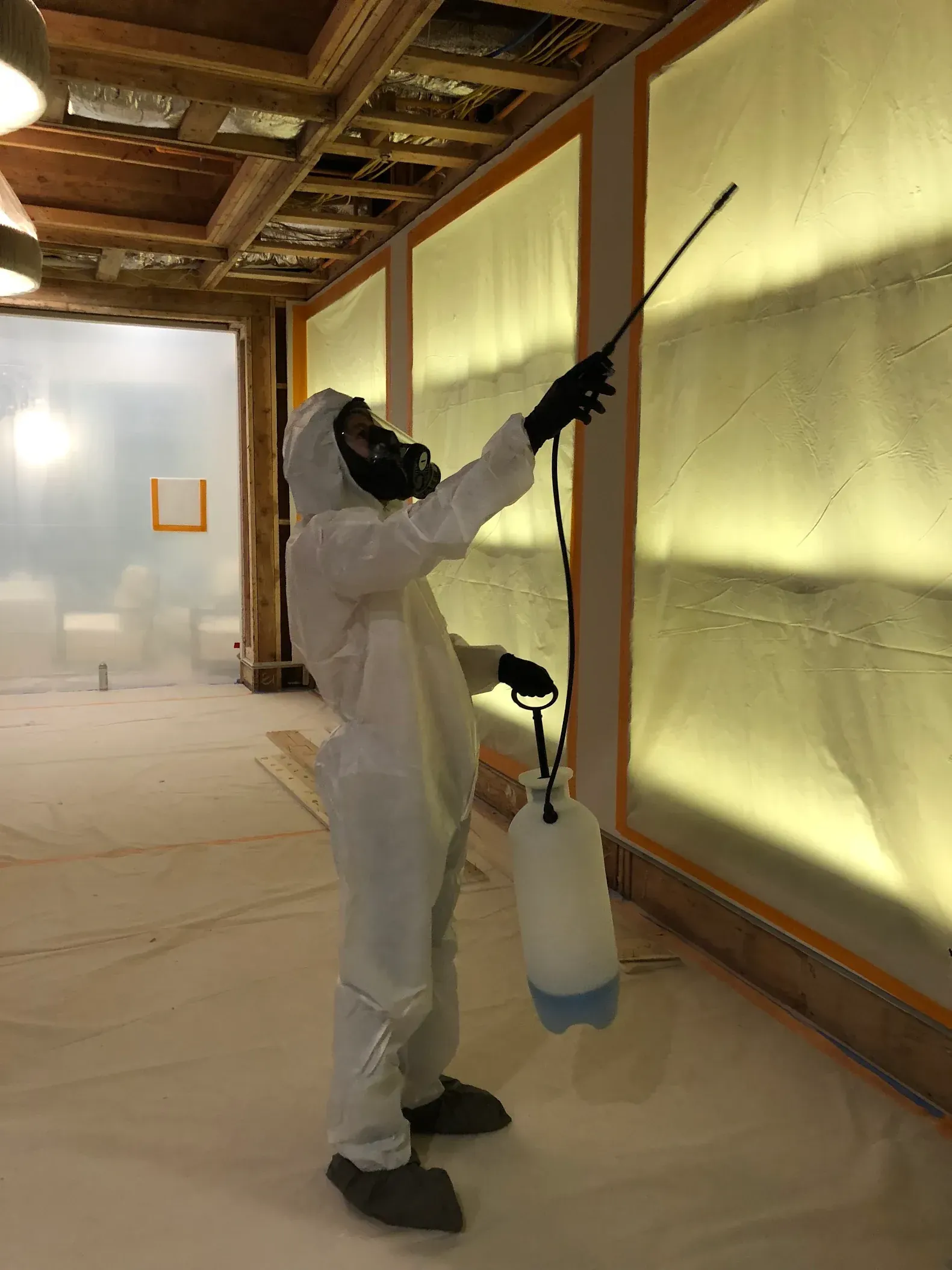
Emergency Water Damage
Restoration
Dry-Outs, Sewage Cleanup & Fast Response
Water damage can escalate fast—so the goal isn’t just to “remove water,” it’s to stop the source, dry materials correctly, and prevent secondary damage like warping, delamination, odors, and microbial growth.
Water Damage Restoration
Industry best practice emphasizes professional methods and precautions for water damage restoration, including proper procedures and safety considerations. IICRC describes these principles in the ANSI/IICRC S500 water damage restoration standard.
At RCR Environmental, we handle emergency water losses from small leaks to major floods, including dry-outs, structural drying, and sewage cleanup, with clear documentation and a practical plan to get your property stable again. We bill your insurance company directly, so you can focus on your home—not paperwork.
CERTIFIED & Recommended




Emergency Water Damage Checklist
If it's safe to do so, take these steps before we arrive:
Stop the water source
Shut off the fixture valve or main water supply.
Electrical safety first
If water is near outlets, panels, or appliances, avoid the area and consider shutting off power to affected zones. Flooded spaces can hide serious electrical hazards. OSHA warns disaster cleanup commonly includes electrical risks and requires hazard assessment and appropriate PPE.
If it’s sewage (black water): don’t DIY
Keep people and pets out. Sewage can contain pathogens and should be handled with professional controls and PPE. EPA sewage backup safety guidance (PDF) emphasizes protective clothing and awareness of hazards.
Document for insurance
Take photos/video of affected rooms and the source if visible. We bill insurance directly and will handle the detailed documentation from here—but initial photos from you can help establish the timeline.
Move what you can safely
Lift small items off wet floors; avoid dragging furniture through contaminated water.
Common Causes of Water Damage
Burst Pipes & Supply Line Failures
Common in kitchens, laundry rooms, and bathrooms. These often soak:
- Drywall and baseboards
- Insulation and framing
- Flooring (laminate, engineered wood, carpet/pad)
Even "clean water" can become a bigger issue if it travels into cavities and stays wet.
Slab Leaks
Slab leaks can present as:
- Warm or damp spots on floors
- Unexplained water bills
- Localized flooring damage, odors, or humidity changes
Water can migrate under flooring and into walls before it's obvious.
Roof Leaks & Storm Intrusion
Often shows up as:
- Ceiling staining
- Wet insulation in the attic
- Wall bubbling or paint failure
Intermittent roof leaks can keep materials damp over time and worsen secondary damage.
Toilet Leaks (Wax Ring, Supply Line, Overflow)
Common signs:
- Loose toilet base / rocking
- Staining at the toilet base
- Odors, swollen baseboards, or wet subfloor
Toilet leaks can move fast and may be contaminated depending on the event.
Dishwasher, Refrigerator/Icemaker & Under-Sink Leaks
These can quietly soak cabinets and toe-kicks, then spread to adjacent rooms.
Slow leaks can stay hidden long enough to cause swelling, delamination, and microbial risk.
Sewage Backups & "Black Water" Events
Examples include sewer line backups into tubs/showers/floor drains, toilet overflows beyond the bowl, and flood water entering from outside.
This is a high-risk contamination scenario requiring controlled cleanup and disposal.
Emergency Dry-Outs & Structural Drying
More Than Just "Running Fans"
A real dry-out is a system—not just equipment in a room. Drying matters because mold can begin growing quickly when materials remain wet. CDC's mold cleanup guide (PDF) advises cleaning up and drying out fully and quickly—often within 24–48 hours after flooding—to reduce mold growth risk.

What a Professional Dry-Out Includes
- Water extraction (remove bulk water)
- Moisture mapping (find what’s wet—including what you can’t see)
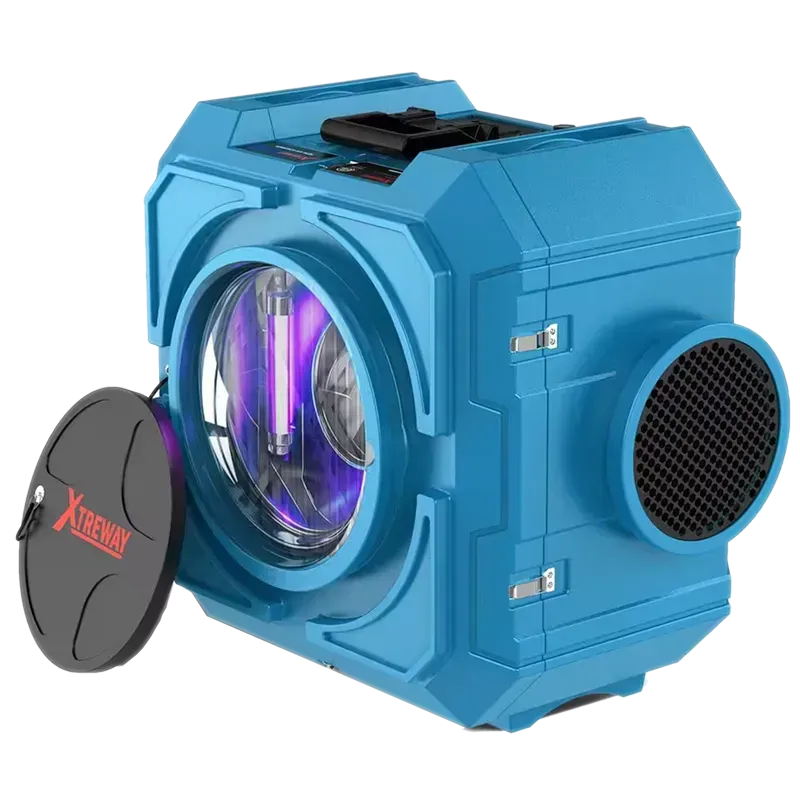
- Controlled drying with professional air movers and dehumidification
- Daily monitoring and adjustments as materials dry
- Documentation for property owners and insurance files
Why It's Different Than "Just Running Fans"
- Fans alone don’t address hidden moisture in walls, floors, and cabinets
- Without dehumidification, humidity stays high and materials don’t dry properly
- In contaminated water scenarios, fans can spread contaminants
- Proper drying requires moisture mapping, controlled airflow, and daily verification
Emergency Water Damage & Dry-Outs
Fast Response When It Matters
Burst pipes, slab leaks, roof leaks, appliance line breaks, sewage cleanup, and contaminated water events. Structural drying + monitoring + documentation. We bill insurance directly and handle the coordination so you don't have to. If you're dealing with a leak, flood, or sewage backup, the fastest way to reduce damage is to stop the source and start controlled drying.
Water Categories
Why Contamination Level Changes the Work
Restoration professionals typically classify water based on contamination risk (commonly described as clean, gray, and black). This classification directly affects the scope of work, safety controls, and whether materials can be saved.
Clean Water
From a sanitary source (supply lines, faucets). Generally the lowest contamination risk, but can worsen if left standing.
Gray Water
Contains some level of contamination (dishwasher, washing machine, aquarium, toilet overflow with urine only). Requires additional precautions.
Black Water
Heavily contaminated (sewage, rising flood water, toilet overflow with feces). Requires controlled cleanup, PPE, and disposal of porous materials.
This classification directly affects what materials must be removed vs. cleaned, PPE and safety controls, and containment and decontamination steps. The ANSI/IICRC S500 Standard addresses procedures and precautions used in professional water damage restoration.
Sewage Cleanup (Category 3 / Black Water)
Sewage and heavily contaminated water events require a different scope and a different safety profile. Don't treat it like a normal water leak.
What's Required
- Isolation of affected areas
- Protective equipment and hygiene controls
- Removal and disposal of porous materials that cannot be safely cleaned
- Cleaning and disinfection procedures followed by thorough drying
Common Sewage Events
- Sewer line backups into tubs/showers/floor drains
- Toilet overflows beyond the bowl
- Flood water entering from outside
Sewage cleanup guidance
OSHA PPE hazard assessment guidance (PDF) emphasizes proper protective equipment selection during cleanup. If you've had a sewage backup, don't treat it like a normal water leak. It's a different scope and a different safety profile.
What You Can Expect from Our Water Damage Process
Emergency Response & Safety Check
We start by identifying immediate risks: electrical hazards, slip/fall hazards, contamination concerns, and structural instability (as needed). OSHA: cleanup hazards (PDF) highlights that disaster cleanup work can involve multiple hazards and requires proper precautions and PPE based on hazard assessment.
Water Extraction + Moisture Mapping
We remove bulk water and map affected areas so the drying plan is targeted—this prevents "missing" wet materials inside walls, under cabinets, or beneath floors.
Controlled Drying & Monitoring
We install equipment based on the loss conditions and verify progress using moisture readings, humidity, and temperature tracking until materials reach dry standards.
Cleanup, Decontamination & Documentation
For clean water: cleaning as needed + drying verification. For contaminated water: controlled cleaning/disinfection protocols + disposal of impacted porous materials + verification and documentation. All work is documented for your insurance file, and we bill your carrier directly.
Next Steps: Repair Scope or Remediation Plan
If materials are damaged beyond salvage, we’ll provide a clear plan for what needs removal, repair, or restoration.
When water damage raises concerns about hidden mold or air quality, targeted testing can help define the scope:
We Work Directly With Your Insurance Company
Direct Billing — Less Hassle for You
Dealing with water damage is stressful enough without having to navigate insurance claims on your own. We bill your insurance carrier directly and coordinate the documentation they need throughout the project, so you can focus on your home and family—not paperwork.
What We Handle
- Direct billing to your insurance company—no large upfront out-of-pocket cost to you
- Detailed scope-of-loss documentation with photos, moisture readings, and monitoring logs
- Communication and coordination with your adjuster throughout the project
- Industry-standard line-item estimates that insurance carriers recognize
- Daily drying logs and final verification reports for your claim file
How It Works
You file a claim with your insurance company (or we can help walk you through it).
We begin emergency work immediately—drying shouldn’t wait for an adjuster visit.
We document everything from day one: photos, moisture maps, equipment placement, and daily readings.
We submit our scope and documentation directly to your carrier and coordinate with your adjuster as needed.
Insurance pays us directly—you’re typically only responsible for your deductible.
No insurance? No problem.
We also work with homeowners who are paying out of pocket or whose claims haven't been filed yet. We'll provide a clear estimate upfront and can still help you file if you decide to go through insurance later.
Insurance Claims in California: Your Right to Choose Your Contractor
In California, homeowners generally have the right to choose who performs repairs after a covered property loss. California regulation (10 CCR § 2695.9) prohibits an insurer from requiring that you use a specific repair individual or entity, and limits when an insurer may recommend a particular contractor.
We Make the Claim Easier (and Keep It Documented)
To support your claim file, we provide clear documentation from day one—photos, moisture mapping, equipment records, and daily drying logs—so your adjuster can review a clean timeline and scope. California's fair-claims regulations set standards for how property claims are handled, and good documentation helps avoid delays and scope disputes.
- You choose who does the work—not your insurance company
- We provide industry-standard estimates and documentation your carrier needs
- Good records from day one reduce delays, disputes, and supplement requests
References: 10 CCR § 2695.9 | CA DOI Fair Claims Regulations | United Policyholders: Rules & Remedies (PDF)
When Water Damage Leads to Mold Risk
If materials stay wet or a leak goes unaddressed, mold risk rises. CDC guidance repeatedly stresses drying and cleanup within 24–48 hours when possible. If there are musty odors, visible growth, or a history of recurring dampness, the next step may include:
Learn more about our mold inspection and mold remediation services.
Water Damage Restoration by City
We provide emergency water damage restoration across Southwest Riverside County. Each community has distinct plumbing, construction, and weather-related risks. Select your city for location-specific details.
Murrieta
Family homes with supply line failures, bathroom leaks, and laundry room flooding
Temecula
Wine Country to Old Town -- aging plumbing, storm intrusion, and condensation issues
Menifee
Newer builds near Heritage Lake, slab-on-grade leaks, and appliance line breaks
Wildomar
Mission Trail corridor, rural lot drainage, irrigation runoff and slab moisture
Winchester
Semi-rural properties, well and septic systems, slow leaks in detached structures
Canyon Lake
Gated lakeside community, elevated humidity, storm runoff and seasonal flooding
Frequently Asked Questions
How fast should water damage be dried?
As a practical rule, the sooner the better. CDC: dry out within 24–48 hours when possible to reduce mold growth risk.
Is sewage cleanup different than a normal leak?
Yes. Sewage can contain pathogens and requires different controls, PPE, and cleaning/disinfection steps.
Can I just run fans?
Fans may help in simple, clean-water situations—but they can also spread contaminants in the wrong scenario, and they don’t solve hidden moisture in walls, floors, and cabinets. Proper drying relies on moisture mapping and controlled dehumidification.
Do you provide documentation for insurance?
Yes—photos, moisture readings/monitoring, daily drying logs, and detailed scope documentation are included to support your claim. We also coordinate directly with your adjuster throughout the project.
Do you bill insurance directly?
Yes. We bill your insurance carrier directly, so there’s no large upfront cost to you. You’re typically only responsible for your deductible. We handle the estimates, documentation, and adjuster coordination so you don’t have to manage it yourself.
Do I need to wait for the adjuster before starting work?
No—and you shouldn’t. Most insurance policies require you to mitigate further damage, which means starting extraction and drying promptly. We document everything from day one so your adjuster has what they need when they review the claim.
Water Damage
Restoration Process
Core Steps
Emergency Response
Rapid on-site assessment of safety hazards, water source, and affected scope. We identify electrical risks, contamination level, and structural concerns before work begins.
Water Extraction
Professional removal of standing water using truck-mounted and portable extraction equipment. The faster bulk water is removed, the less secondary damage occurs.
Moisture Mapping
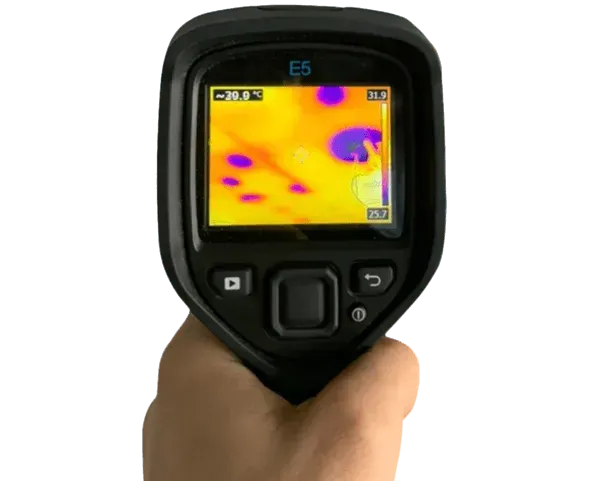
We map affected materials using moisture meters and thermal imaging to find what’s wet—including hidden areas inside walls, under cabinets, and beneath flooring.
Controlled Drying
Strategic placement of professional air movers and dehumidifiers based on the loss conditions. Equipment is calibrated to the specific materials and space.
Daily Monitoring
We track moisture readings, humidity, and temperature daily to verify drying progress and make equipment adjustments as materials respond.
Verification & Documentation
Final moisture verification confirms materials have reached dry standards. Full documentation—photos, readings, and monitoring logs—is provided for property owners and insurance files.
Mold & Indoor
Air QualityBy the numbers
Mold Growth Timeline
Water Damage Insurance Claims
Homes With Dampness/Mold Indicators
Average Water Damage Claim
Water damage is one of the most common and costly homeowner emergencies. Without proper extraction, drying, and monitoring, secondary damage—including warping, delamination, odors, and microbial growth—can compound quickly. CDC guidance stresses drying and cleanup within 24–48 hours to reduce mold growth risk.
If you've had a burst pipe, slab leak, roof leak, appliance line break, or sewage backup, professional dry-out and documentation can help protect your property and support the insurance process.
Sources: CDC; IICRC S500; U.S. EPA; OSHA
Mold & Indoor
Air QualityBy the numbers
Mold Growth Timeline
Water Damage Insurance Claims
Homes With Dampness/Mold Indicators
Average Water Damage Claim
Sources: CDC; IICRC S500; U.S. EPA; OSHA
Water damage is one of the most common and costly homeowner emergencies. Without proper extraction, drying, and monitoring, secondary damage—including warping, delamination, odors, and microbial growth—can compound quickly. CDC guidance stresses drying and cleanup within 24–48 hours to reduce mold growth risk.
If you've had a burst pipe, slab leak, roof leak, appliance line break, or sewage backup, professional dry-out and documentation can help protect your property and support the insurance process.
Related Services
Water damage often leads to secondary concerns. Explore our related services to protect your home and health.
Mold Inspection
If water damage has been present for an extended period, a mold inspection can identify growth and guide next steps.
Mold Remediation
Professional containment, removal, and restoration when water damage has led to mold growth.
Air Quality Testing
Lab-certified air sampling to evaluate whether water damage has impacted your indoor air quality.