

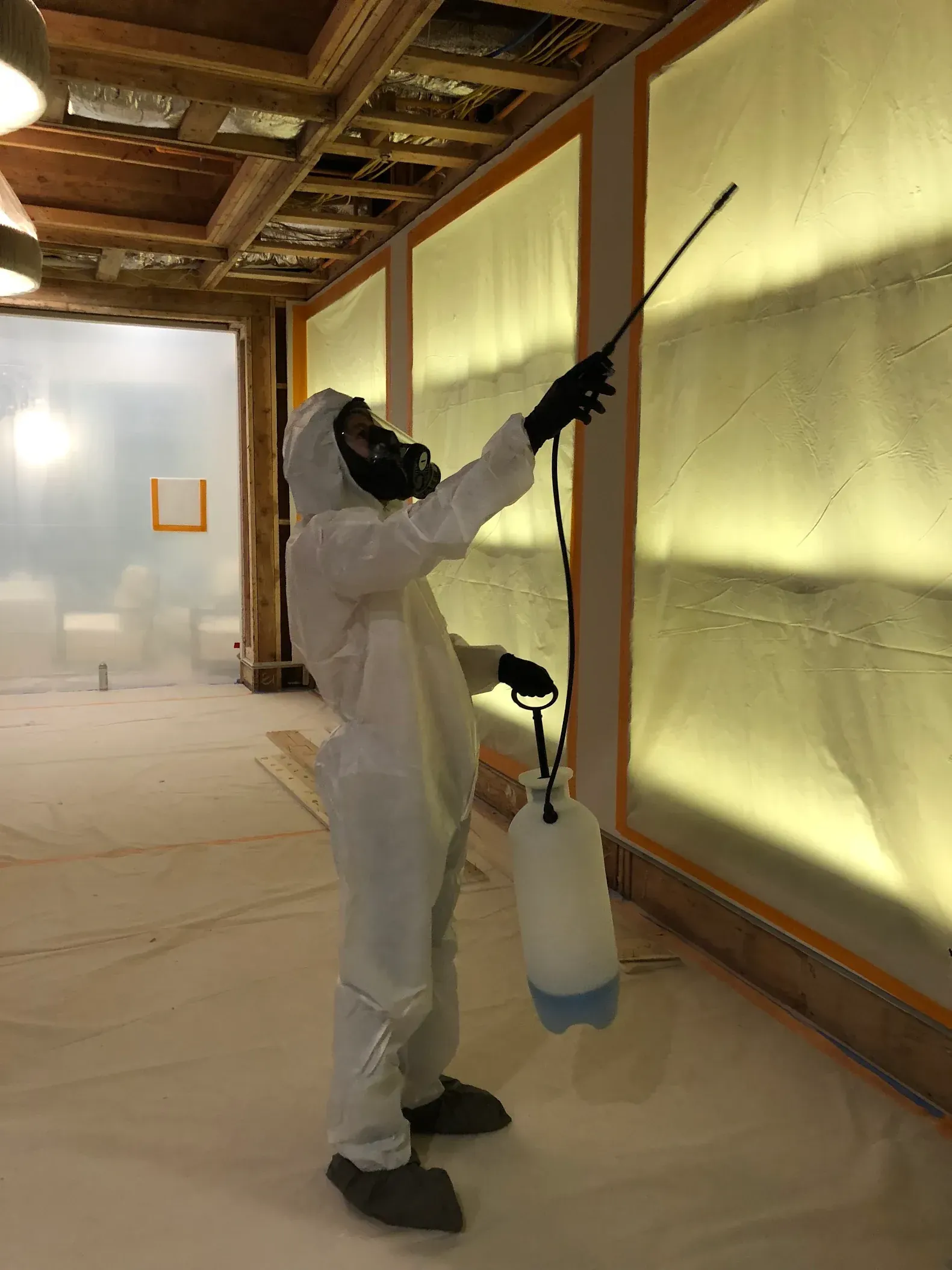
Mold Inspection
& Testing
Inspection & Lab-Certified Testing
When a home smells musty, allergy-like symptoms increase indoors, or a past leak raises questions, the goal isn’t just “test for mold.” The goal is to answer practical questions about your home.
Inspection & Testing
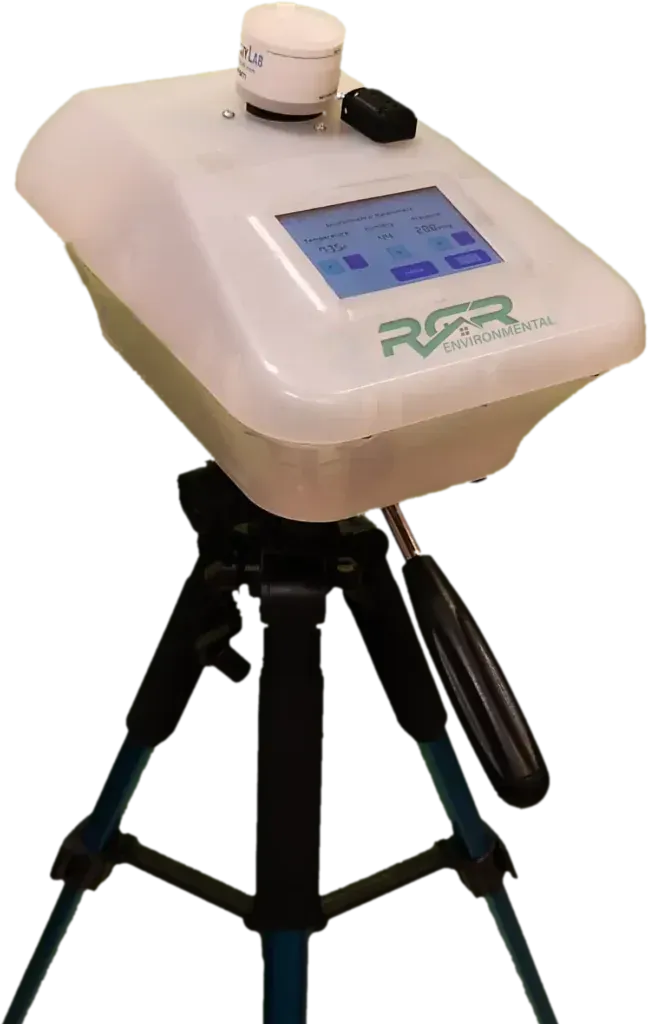
Our process combines visual investigation + moisture screening + lab-certified sampling (when sampling will actually add clarity). We use air cassettes for air-based testing and swab/tape methods for surface identification, with documented chain-of-custody and clear reporting.
That's where air quality testing and targeted sampling come into play. Using lab-certified air cassette (spore-trap) sampling, we can evaluate airborne mold types and quantities and compare indoor patterns to an outdoor baseline to help identify whether results suggest a normal background versus a likely indoor source.
CERTIFIED & Recommended







Practical Questions
Our process combines visual investigation + moisture screening + lab-certified sampling (when sampling will actually add clarity). We use air cassettes for air-based testing and swab/tape methods for surface identification, with documented chain-of-custody and clear reporting.
Is there evidence of indoor water intrusion leading towards a mold source?
Where is it likely coming from (room air, wall cavity, HVAC)?
What types are present, and in what quantities?
What’s the most reasonable next step — cleanup, remediation, or verification?
How We Interpret Results
Lab results matter, but so does how you interpret them in a real home with real variables. We use a structured, consistent interpretation approach that considers:
- Outdoor baseline conditions vs indoor findings
- Building history (leaks, HVAC issues, condensation, remodeling, odors)
- Whether results suggest a normal background vs a likely indoor source
Air cassette results
For spore-trap air cassette results, we may reference frameworks such as the Healthy Home Standard used in building biology programs and related guidance that provides interpretive context for spore trap data.
Particle/source-pattern context
For deeper particle/source-pattern context, we may also reference Environmental Analysis Associates (EAA) style interpretation systems (e.g., "air profile" style guidance) as an additional lens when appropriate.
Surface findings & remediation
For surface findings and remediation-related context, we align recommendations with the ANSI/IICRC S520 procedural standard for mold-damaged structures and contents.
We keep this practical: clear takeaways, not a textbook.
Visual Mold Inspection
A visual inspection is where most of the real answers start. Mold growth is the result of moisture + time + a food source (common building materials). The inspection focuses on identifying moisture pathways and conditions that support mold.
What We Look For
- Visible suspect growth, spotting, or staining
- Swelling/delamination of drywall, baseboards, cabinetry, flooring edges
- Musty/earthy odors and where they are strongest
- Condensation patterns (windows, exterior walls, bathrooms, HVAC supply/returns)
- Past leak indicators (patchwork repairs, paint texture changes, prior cabinet pulls)
What We Use
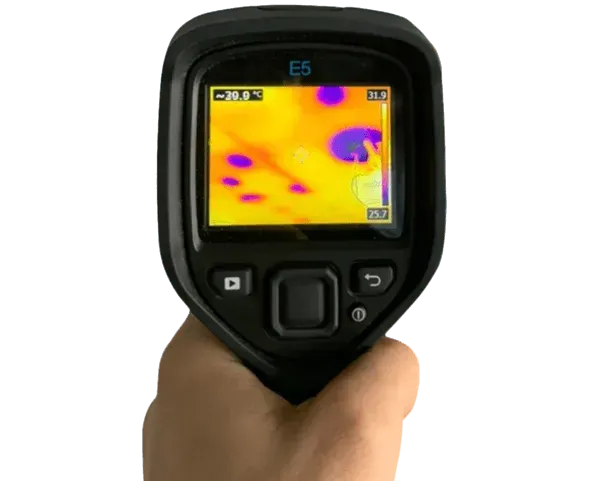
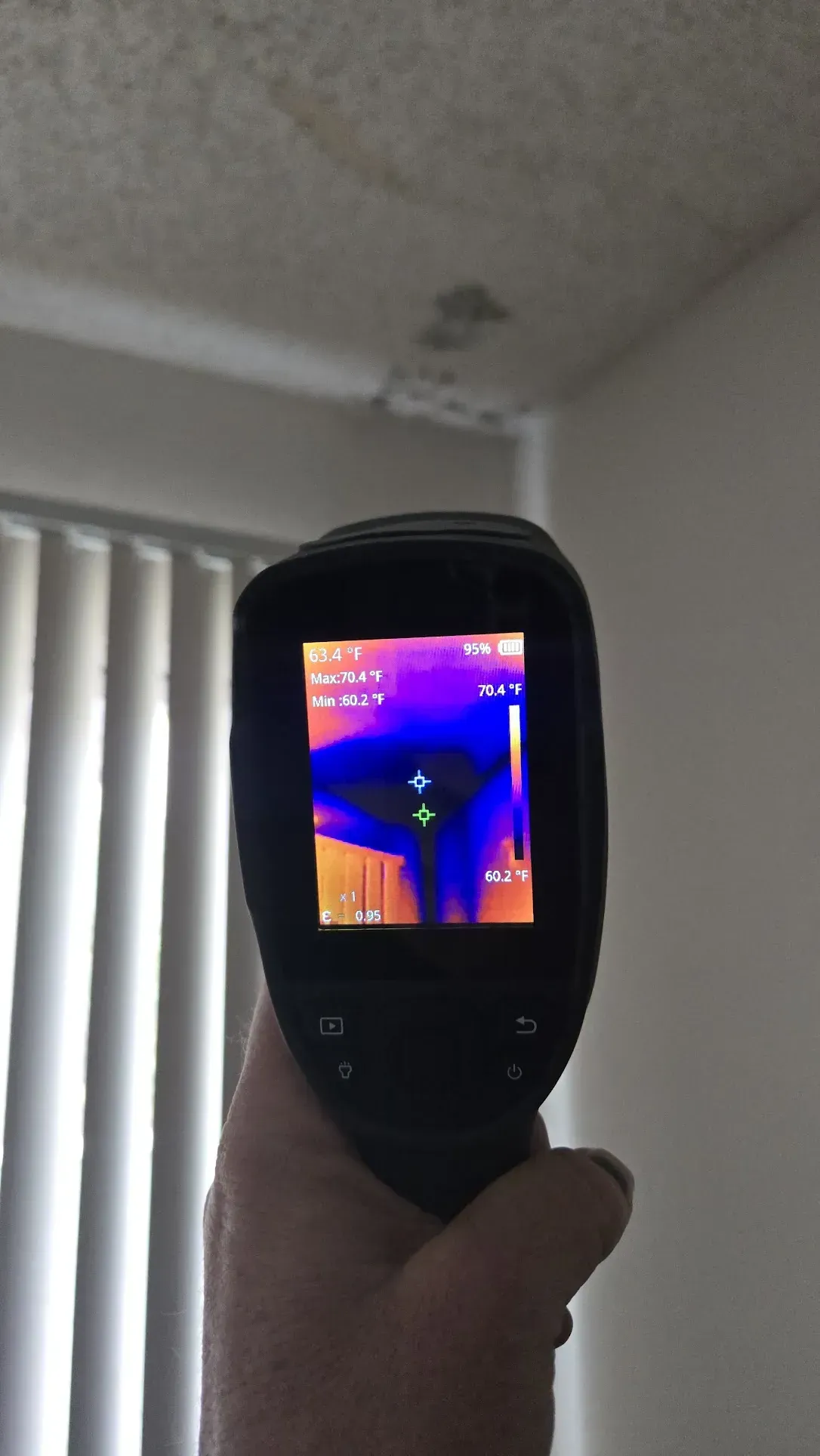
- Moisture screening to map suspect areas (walls, trim, ceilings, cabinets)
- Thermal imaging as a screening tool to identify anomalies that warrant verification
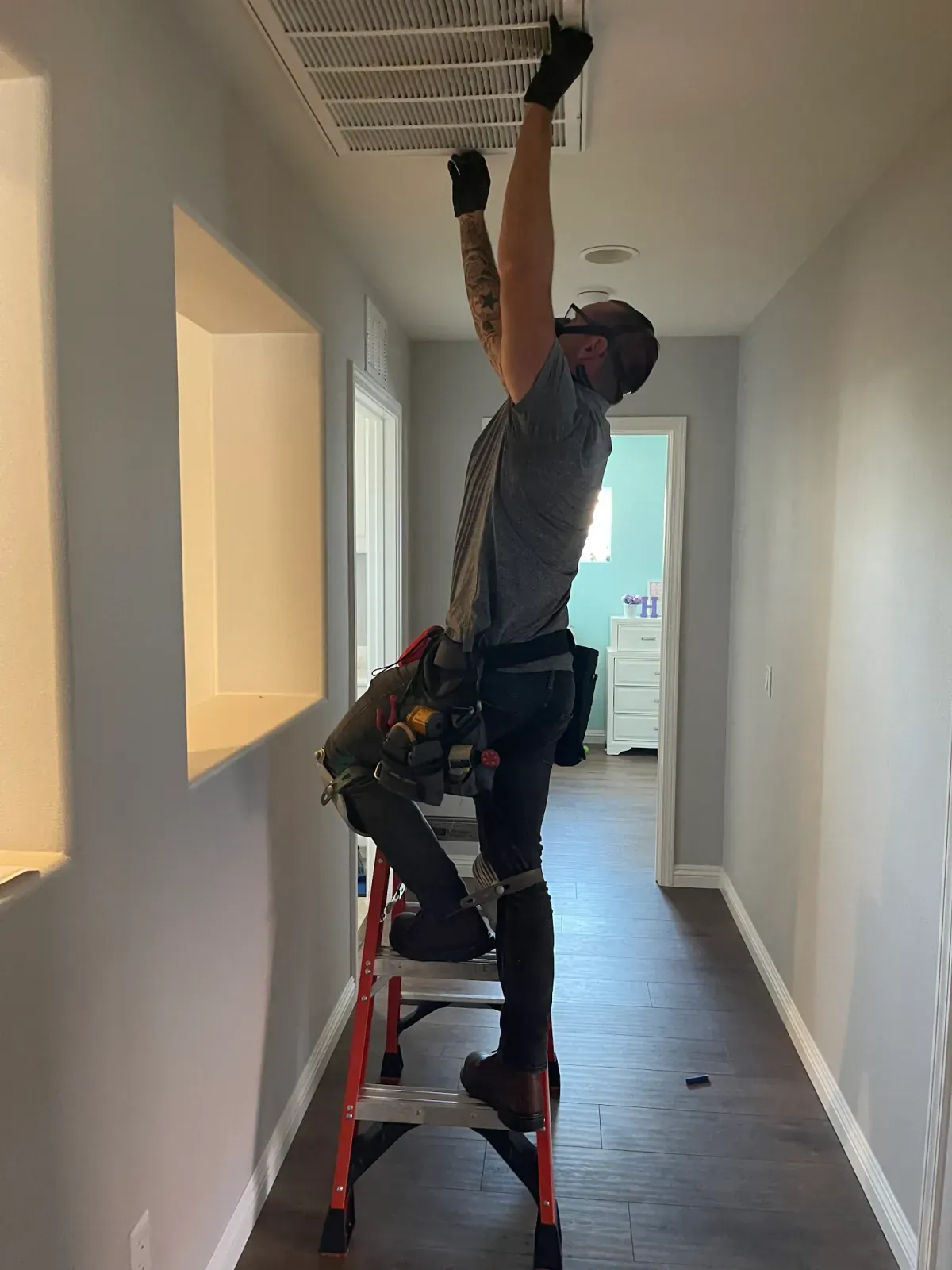
- HVAC overview: filter condition, supply/return placement, condensation-prone areas, and air movement patterns
When We Recommend Lab Testing
Not every situation requires lab analysis, but testing becomes a critical tool when visual evidence isn't enough to drive action. We recommend sampling in the following scenarios:
- When health concerns are present but there is no obvious sign of mold or water intrusion, testing helps bridge the gap between “feeling” an issue and “proving” it.
- When renters or property owners need objective, third-party data to justify professional repairs or legal intervention.
- To determine if mold is growing in “invisible” areas, such as inside wall cavities or behind cabinetry, after a suspected leak.
- When you need to know if the heating and cooling system is actively distributing contaminants throughout the home.
- To provide a definitive answer on whether the indoor environment has been negatively impacted compared to the natural outdoor baseline.
- To confirm exactly what a substance is—whether it’s active biological growth or an unrelated material—to ensure the correct cleanup protocol is used.
Air Quality Testing
Air Cassettes / Spore Trap Sampling
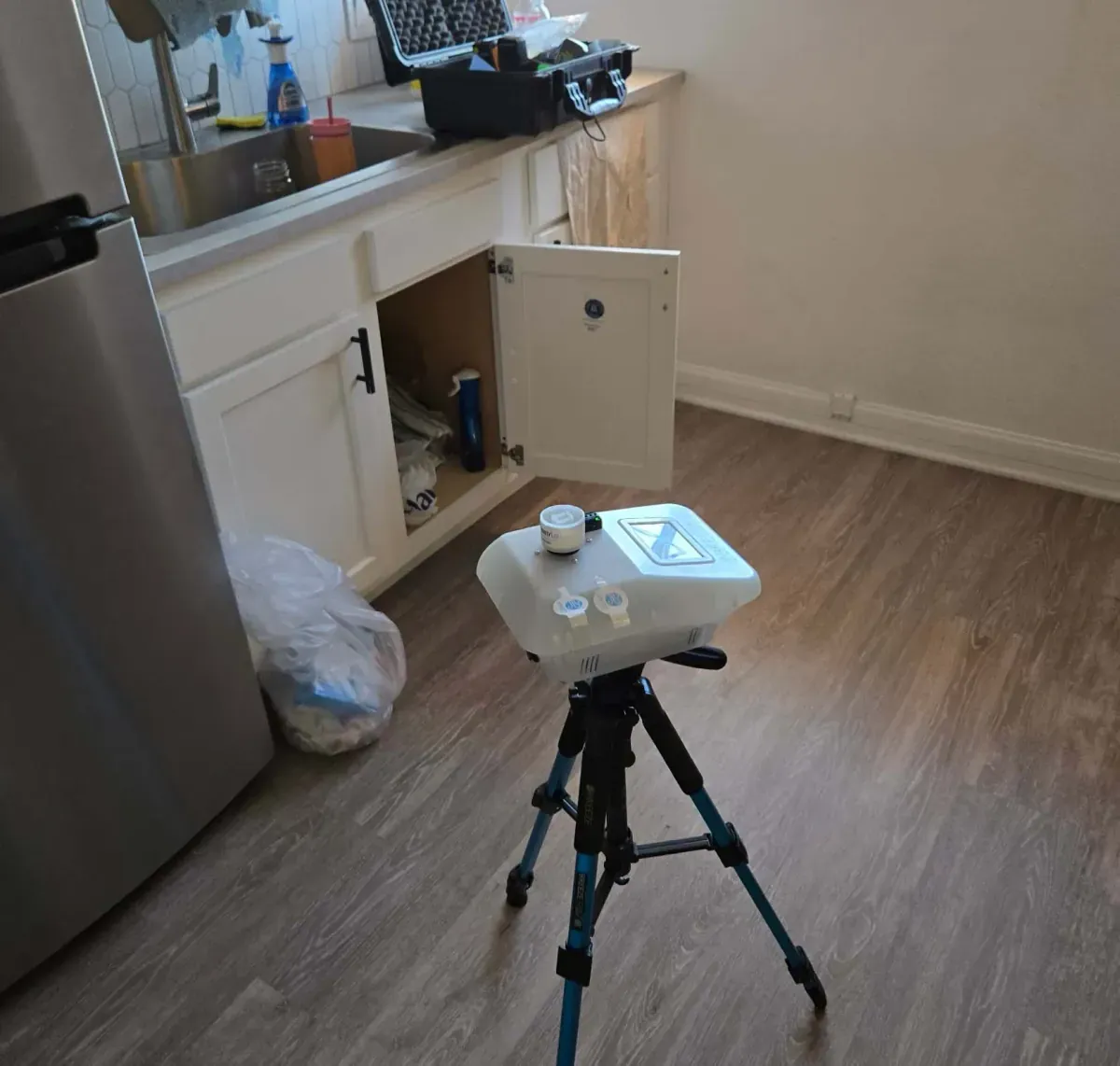
Air cassette testing (spore trap sampling) is the most common "air quality" mold test. It provides a snapshot of airborne fungal particles at the time of sampling and helps identify types and quantities present.
How It Works
- We establish a sampling plan (what question we're answering and where).
- We typically collect an outdoor baseline/control sample and one or more indoor samples in areas of concern.
- Samples are sealed with chain-of-custody and delivered to the lab for direct microscopic analysis.
What the Lab Report Includes
- Total fungal structures (commonly reported as concentration)
- Spore groups / categories and often genus-level identifications where possible
- Percent distribution and notable indicators (including certain fragments)
What Makes Air Results Meaningful
Air sampling becomes powerful when it's interpreted in context:
- Indoor vs outdoor comparison (profile, not just a single number)
- Whether indoor findings show unexpected dominance of certain spore groups
- Whether the pattern suggests likely indoor amplification or normal background influence
Important "real-world" factors we account for
Air results can change based on:
- •HVAC on/off, windows open/closed
- •Recent cleaning, vacuuming, foot traffic
- •Fan placement, air scrubbers, or recent construction activity
- •Humidity events (showers, cooking, rainfall + ventilation issues)
That's why we document conditions and sampling locations carefully—and why we don't treat one air sample as the whole story.
Wall Cavity Air Testing
Hidden Mold Screening
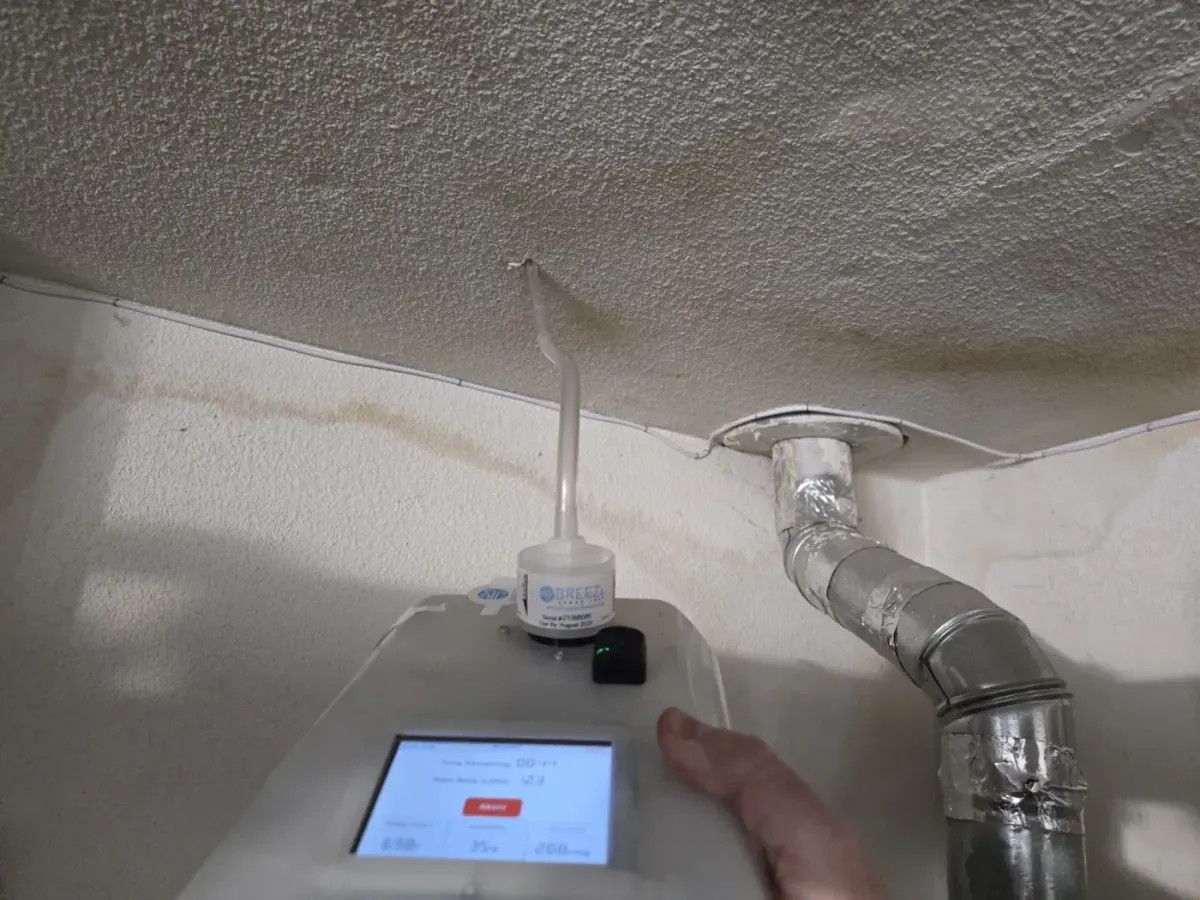
Wall cavity testing is a targeted air cassette sample pulled from inside a concealed space, used when symptoms or odor suggest a hidden source.
When It's Most Useful
- You smell mold but can’t see it
- There was a known leak (plumbing, window intrusion, roof flashing, HVAC condensate)
- A room tests "normal" but a specific wall/area seems suspect
- Moisture screening suggests elevated readings behind finishes
How It Works
A small access point (or existing penetration) allows us to pull air from inside the cavity into an air cassette.
Results are compared against outdoor baseline and nearby indoor air to help determine whether the cavity environment suggests amplification.
What It Helps Answer
- “Is this wall likely harboring hidden mold growth?”
- “Does opening this wall make sense before we rip out a whole room?”
- “Are we chasing odor from a concealed area vs general dust/background?”
Wall cavity testing is not a substitute for fixing moisture—but it's excellent for confirmation and decision-making.
Schedule a Mold Inspection & Lab-Certified Testing Plan
Get Started Today
If you're dealing with a musty odor, recent water damage, visible spotting, or unexplained irritation indoors, we'll help you choose the right testing approach—air cassette sampling, wall cavity screening, HVAC testing, and/or surface confirmation—based on the real conditions in your home.
HVAC & Duct Testing
Supply/Return Influence
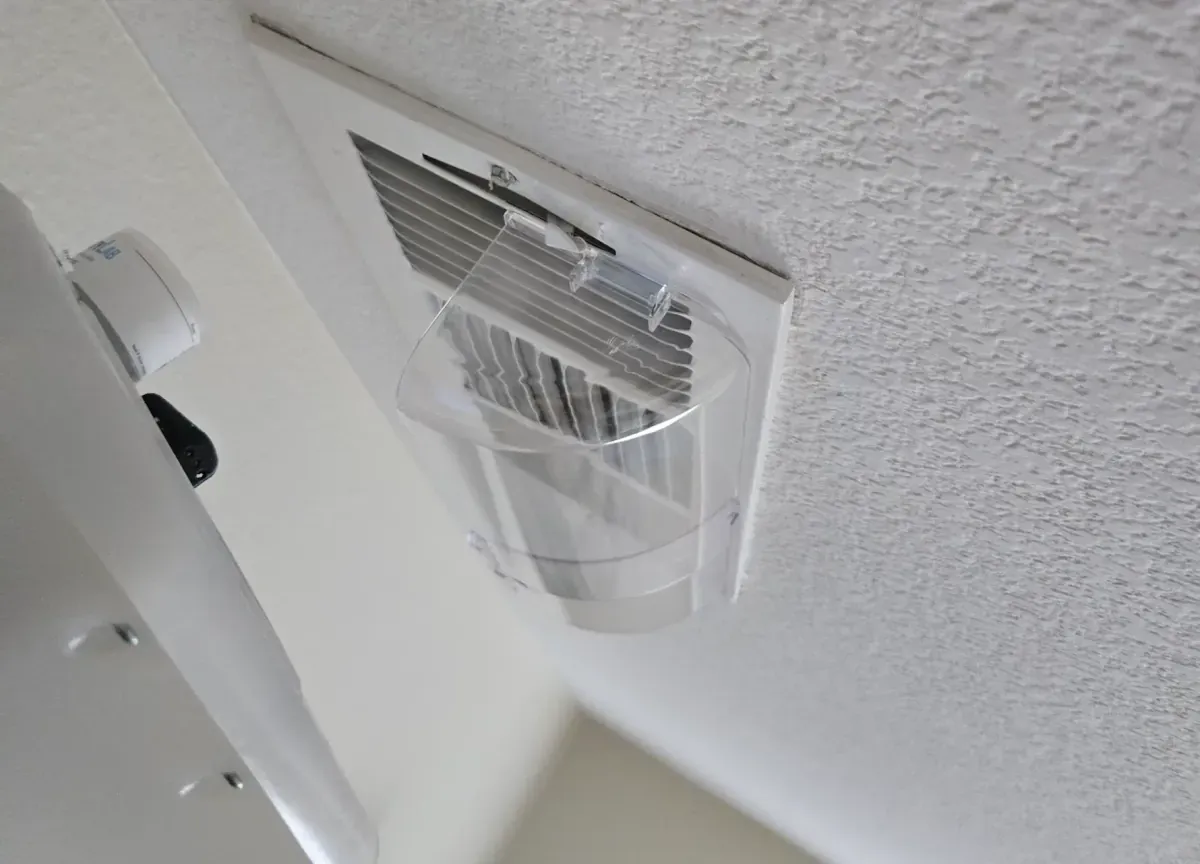
If multiple rooms are affected, symptoms track with HVAC runtime, or odor increases when the system runs, HVAC sampling can help determine whether the system may be distributing spores or pulling from a contaminated zone.
Common Reasons for HVAC Testing
- Musty odor when AC/heat turns on
- Dusty "dirty sock" smells or persistent irritation across the home
- Prior water damage near returns/supplies, attic duct condensation, or wet insulation concerns
- Concern that remediation in one area is affecting air distribution elsewhere
What HVAC Testing Looks At
Sampling strategy may include supply-side influence, return-side influence, and/or targeted locations depending on the home layout and complaint pattern.
We also look for common contributors: filtration, coil/condensate conditions, duct integrity, and moisture-prone zones.
What It Helps Answer
- “Is the HVAC contributing to spread?”
- “Is this a localized issue or a distribution issue?”
- “Should the next step be targeted cleaning, repair, or deeper investigation?”
Mold Surface Testing
Swab & Tape Lift
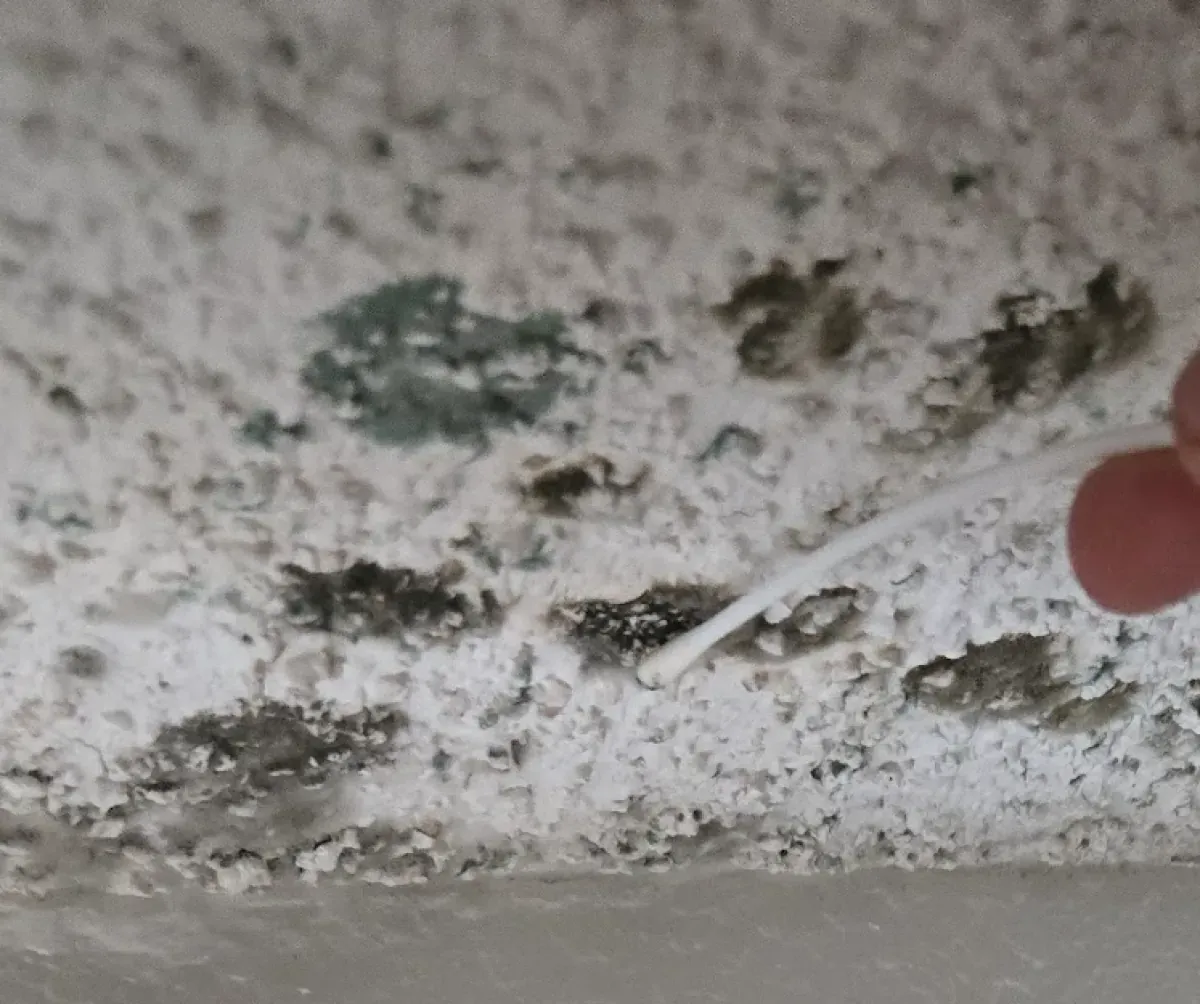
Surface testing answers a different question than air testing: "What is this on the material?" (and sometimes, "does it show structures consistent with growth?")
Tape Lift Testing
A clear adhesive tape sample captures the surface material for lab microscopy. It's useful when:
- There is visible suspect growth
- You need documentation for a specific material/area
- You want a quick, direct look at what’s present on the surface
Swab Testing
A sterile swab collects material from a defined location. It's useful when:
- The surface is irregular, porous, or textured
- You need a bit more material from a small area (corners, seams, behind trim)
- You want documentation tied to a specific spot
S520 Alignment
The ANSI/IICRC S520 standard is a procedural remediation standard widely used for guiding how mold-damaged structures/contents should be handled and cleaned. We align recommended actions and cleaning/remediation expectations with S520's approach and definitions used in professional remediation planning.
ERMI / Dust DNA Testing
Why We Don't Lead With It
ERMI is a dust-based DNA index developed for research use. EPA's position is clear: ERMI is a research tool and is not recommended for use except as a research tool.
Why It Can Be Confusing for Homeowners
- •Dust represents accumulation over time, not necessarily what you’re breathing right now
- •It can be over-interpreted as a stand-alone "pass/fail"
- •It may not pinpoint the current source location without a proper building investigation
If a client already has ERMI data, we can review it as one piece of context, but for actionable decisions we typically prioritize site-specific inspection + targeted air cassette and/or cavity/HVAC sampling.
What You Receive
Inspection & Testing Method Guides
Each method addresses a different question. Select below for a detailed guide on when it applies and how we use it.
Moisture Mapping & Infrared
Visual assessment, infrared screening, and moisture meter verification to find the moisture pathway.
Spore Trap Air Sampling
Airborne fungal evaluation with outdoor baseline for meaningful comparison.
Wall Cavity Sampling
Targeted interstitial air testing for concealed spaces behind walls.
HVAC Influence Sampling
Sampling when odor or symptoms correlate with HVAC operation.
Surface Swab & Tape Lift
Swab and tape-lift sampling for visible suspect growth identification.
Mold Inspection by City
We provide professional mold inspection across Southwest Riverside County. Each community has distinct housing patterns and moisture risks. Select your city for location-specific details.
Murrieta
Family homes, hidden plumbing leaks, bathroom & laundry moisture
Temecula
Old Town to Wine Country—marine layer, tract homes, condensation
Menifee
Newer builds, Heritage Lake area, slab-on-grade foundations
Wildomar
Mission Trail corridor, spread-out lots, irrigation & slab moisture
Winchester
Semi-rural lots, garages & storage buildings, slow unnoticed leaks
Canyon Lake
Gated lakeside community, stored gear & boats, humidity near water
Frequently Asked Questions
How many air samples do I need?
Enough to answer the question without oversampling. Many projects include an outdoor baseline plus indoor samples in key concern areas. Larger homes or multi-zone complaints may warrant additional targeted samples.
Should I do wall cavity testing or just air testing?
If the concern is "hidden mold," cavity testing can be the most direct way to evaluate a suspect wall/area rather than relying on general room air alone.
Can HVAC testing tell me if my ducts "have mold"?
It can help determine whether the system is influencing distribution patterns and whether follow-up HVAC investigation makes sense.
Air Quality
Procedure Outline
Core Steps
Free Initial Assessment
Begin with a complimentary on-site evaluation to understand the specific needs and concerns of the client. Our technician will conduct a visual inspection and discuss the potential issues with the homeowner.
Sampling of Indoor Air
Using state-of-the-art equipment, we'll collect samples from various zones in the property to gauge the indoor air contaminants, including mold spores, allergens, and other particulates.
Outdoor Referencing
To ensure accuracy in our results, we'll also take an outdoor air sample. This acts as a reference point and helps us identify anomalies in the indoor environment.
Detailed Lab Analysis
The collected samples are sent to our accredited laboratory. Here, they undergo a meticulous examination to determine the types and concentrations of pollutants.
Comprehensive Report
Once the lab analysis is complete, we'll prepare an in-depth report detailing our findings. This will include potential health risks, recommended corrective actions, and any other relevant insights.
Advice & Solutions
Based on our findings, we'll offer tailored solutions to rectify identified air quality issues. This may include mold remediation steps, ventilation improvements, or moisture control methods to ensure a healthier living environment.
Mold & Indoor
Air QualityBy the numbers
Indoor Air Pollution
Time Indoors
Asthma & Dampness/Mold
Homes With Dampness/Mold Indicators
Most people spend about 90% of their time indoors, which means indoor air quality matters more than we realize. The EPA notes that some indoor pollutants can be 2–5× higher than outdoors (and in certain situations, far higher). Because moisture problems are common in homes, musty odors, past leaks, and hidden damp materials can contribute to indoor air concerns—sometimes even when mold isn't obvious.
If you've had water damage, persistent humidity, or unexplained musty smells, a targeted inspection and testing can help confirm what's happening and identify the source.
Sources: U.S. EPA; Mudarri & Fisk (Indoor Air); LBNL Indoor Air Quality Research
Mold & Indoor
Air QualityBy the numbers
Indoor Air Pollution
Time Indoors
Asthma & Dampness/Mold
Homes With Dampness/Mold Indicators
Sources: U.S. EPA; Mudarri & Fisk (Indoor Air); LBNL Indoor Air Quality Research
Most people spend about 90% of their time indoors, which means indoor air quality matters more than we realize. The EPA notes that some indoor pollutants can be 2–5× higher than outdoors (and in certain situations, far higher). Because moisture problems are common in homes, musty odors, past leaks, and hidden damp materials can contribute to indoor air concerns—sometimes even when mold isn't obvious.
If you've had water damage, persistent humidity, or unexplained musty smells, a targeted inspection and testing can help confirm what's happening and identify the source.
Related Services
Inspection is the first step. Depending on findings, you may need testing, remediation, or air quality analysis.
Mold Testing
Lab-certified sampling methods to confirm mold types and concentrations found during inspection.
Mold Remediation
Professional containment, removal, and restoration when inspection reveals mold growth.
Air Quality Testing
Spore trap and air cassette sampling to measure airborne mold levels in your home.