Mold Testing, Remediation &
Water Damage in
Corona
Serving Eagle Glen · Dos Lagos · Established Neighborhoods
RCR Environmental provides comprehensive mold and water damage services across Corona — from the master-planned community of Eagle Glen and the mixed-use Dos Lagos area to the established neighborhoods throughout the city. Whether you need testing, inspection, remediation, or water damage restoration, we deliver reliable results and clear guidance.
Environmental Services for Corona Homes
Corona has a mix of established neighborhoods and planned development areas, including the Eagle Glen master-planned community and the Dos Lagos specific plan. Homes across the city range from mid-century ranch-style construction in the older core to newer stucco-and-tile production homes in the foothills and planned communities. That range in building age and construction type means moisture risks vary widely from one neighborhood to the next—older homes may have aging plumbing and original roofing, while newer construction can present stucco interface leaks and slab moisture issues common to post-2000 builds.
Many remediation projects in Corona transition into repairs that require permits and coordinated trades—drywall replacement, cabinetry, plumbing, and electrical work. The city provides online permitting through its eTRAKiT portal, which streamlines inspections and approvals. We provide lab-certified testing, professional inspection, remediation guidance, and water damage restoration tailored to Corona's housing stock, terrain, and local permitting requirements.
CERTIFIED & Recommended



Our Services in Corona
Corona's mix of mid-century ranch homes and post-2000 planned communities means moisture risks vary by neighborhood. We tailor our approach to your home's construction type, whether that's a slab-on-grade build in the established core or a two-story stucco home in Eagle Glen or Dos Lagos.
Mold Testing
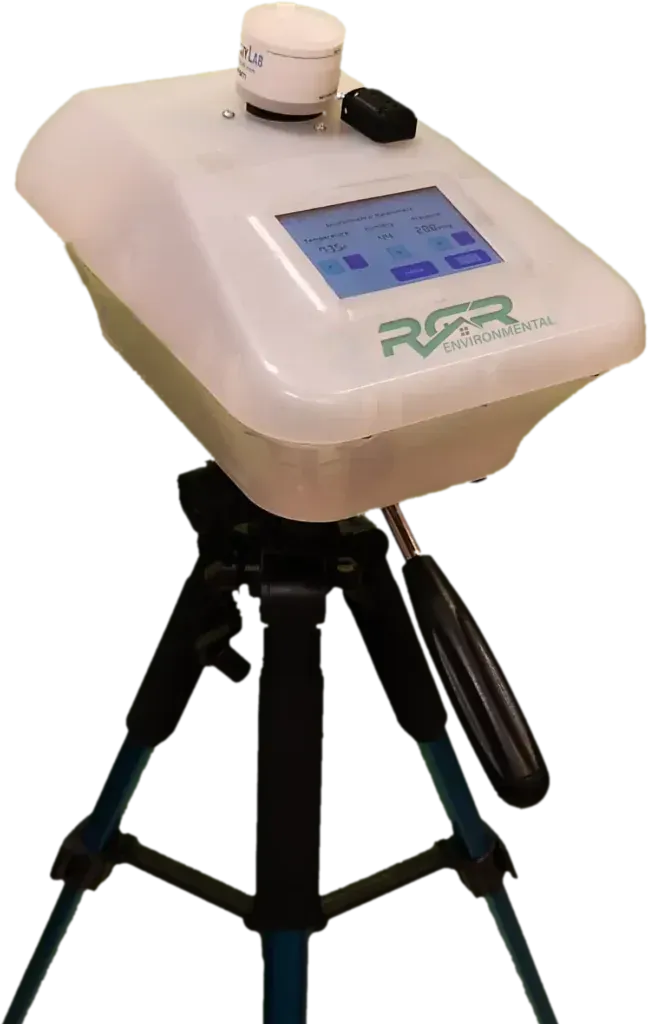
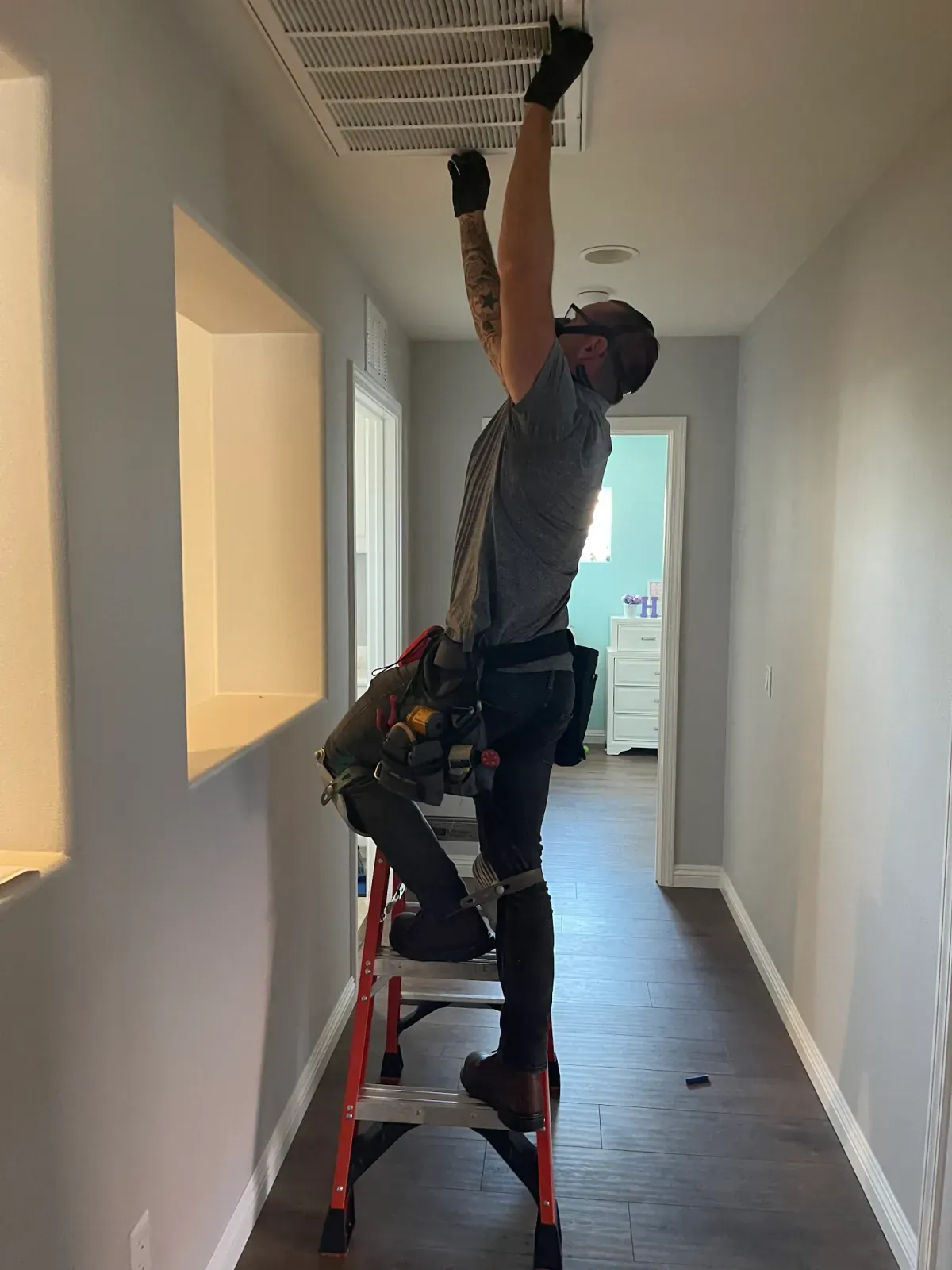
Air cassette sampling, wall cavity screening behind stucco exteriors, HVAC return analysis, and surface identification—calibrated for Corona’s mix of older and newer construction.
Mold Inspection
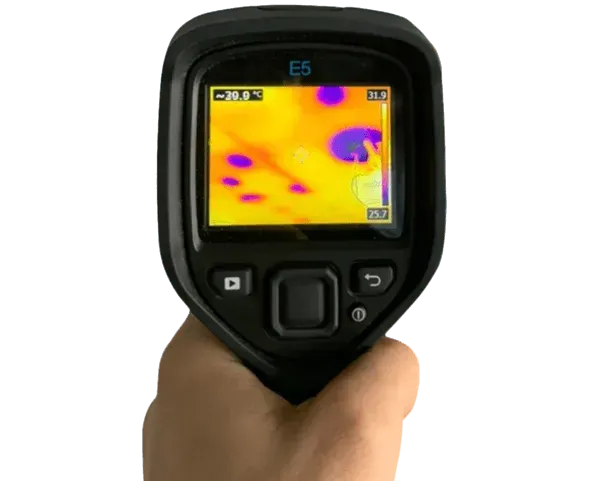
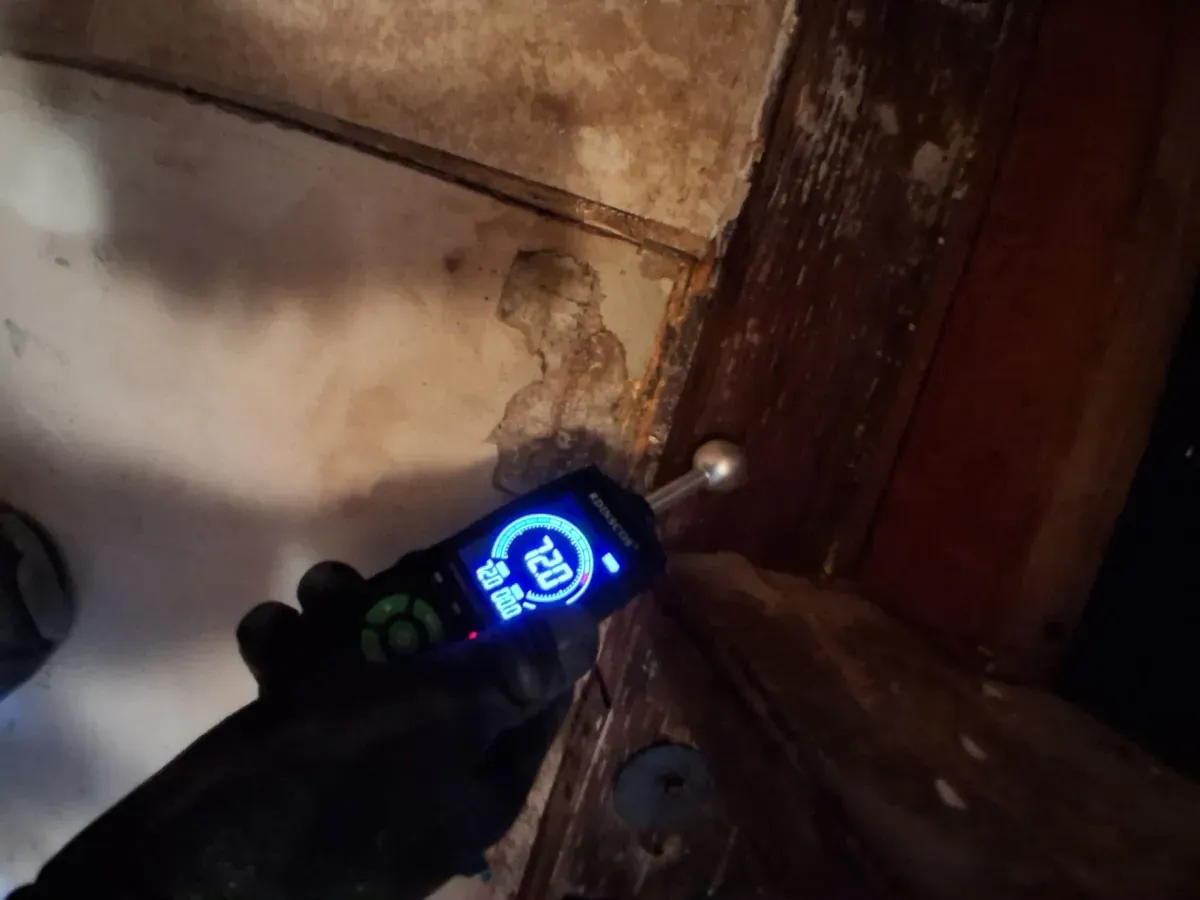
Free visual assessment with thermal imaging, moisture detection, and expert evaluation of your Corona property.
Mold Remediation
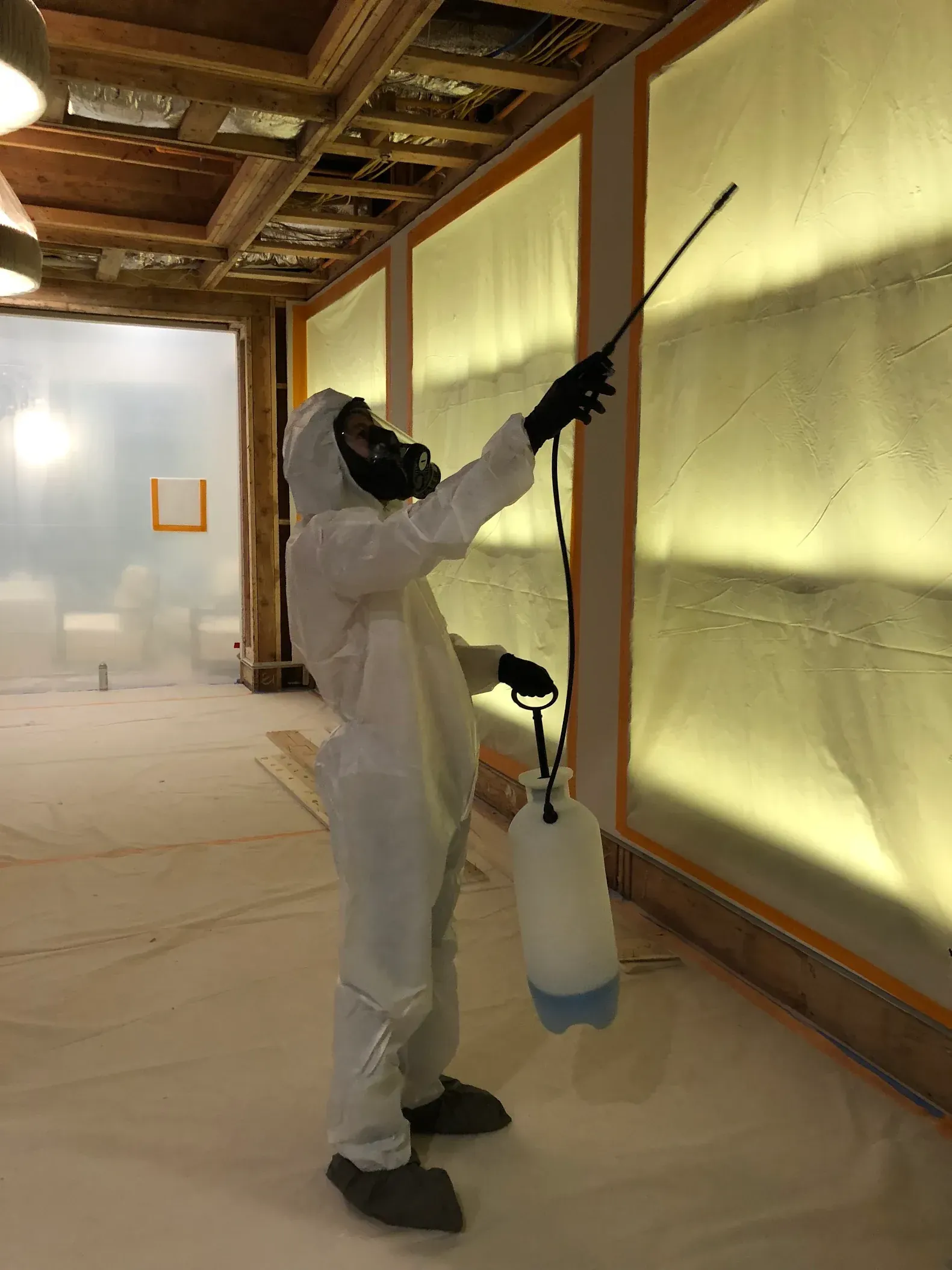
Professional containment, removal, and restoration for Corona homes — including whole-home decontamination and HVAC/duct cleaning.
Water Damage
Emergency water damage restoration, professional dry-outs, and sewage cleanup with direct insurance billing.
Common Moisture Sources in Corona Homes
Corona's housing stock spans decades of construction, from mid-century established neighborhoods to newer planned communities. Here are the moisture sources we encounter most often across the city:
What Professional Remediation Looks Like
When mold or water damage is confirmed in a Corona home, professional remediation follows a structured process designed to resolve the problem thoroughly and prevent recurrence:
Aligned with published industry guidance and remediation best practices.
Permits & Rebuild Coordination
Many remediation projects transition into repairs once the affected materials have been removed—drywall replacement, cabinetry, plumbing, and electrical work that may require permits and inspections. In Corona, the city provides online permitting through its eTRAKiT portal, which allows contractors and homeowners to submit applications, schedule inspections, and track permit status online.
We coordinate with the trades involved in rebuild work—general contractors, plumbers, electricians, and drywall installers—to ensure the remediation phase is fully complete and documented before reconstruction begins. This sequencing helps avoid rework, keeps the project on track with city inspections, and ensures the moisture source has been resolved before new materials go in.
Air District & Asbestos Compliance
Corona falls within the jurisdiction of the South Coast Air Quality Management District (SCAQMD), which regulates air quality across much of Southern California's inland region. When remediation or water damage restoration involves demolition or renovation of building materials, asbestos requirements may apply—particularly in homes built before the mid-1980s where suspect materials such as popcorn ceilings, floor tiles, pipe insulation, or joint compound may be present.
SCAQMD Rule 1403 is the most common compliance reference for asbestos demolition and renovation projects. It requires proper notification, survey and testing of suspect materials, and regulated handling and disposal when asbestos-containing materials are confirmed. Our team is familiar with these requirements and can help identify when asbestos testing or notification may be needed as part of a remediation or restoration project in Corona.
Schedule Your Corona Mold Assessment
Serving Corona & Surrounding Areas
Whether you're in Eagle Glen, Dos Lagos, the established neighborhoods near downtown, or the broader Corona area, our team provides thorough mold and water damage services tailored to your home's construction type and location. Free inspections, lab-certified testing, and professional remediation—all from one trusted local provider.
Mold & Moisture Control Resources
For additional information on mold, moisture control, and remediation standards, the following resources from federal agencies and industry organizations provide reliable guidance:
- EPA — Mold Resources — Overview of mold issues, health effects, and cleanup guidance from the U.S. Environmental Protection Agency.
- EPA — Moisture Control Infographic — Key principles for controlling moisture to prevent mold growth.
- CDC — You Can Control Mold — Basic mold prevention and cleanup guidance from the Centers for Disease Control and Prevention.
- NIOSH — Mold Testing & Remediation — Testing and remediation information from the National Institute for Occupational Safety and Health.
- IICRC S520 — Standard for Professional Mold Remediation, published by the Institute of Inspection Cleaning and Restoration Certification.
Nearby Service Areas
We also provide mold and air quality services in these nearby communities:
Mold & Indoor
Air QualityBy the numbers
Indoor Air Pollution
Time Indoors
Asthma & Dampness/Mold
Homes With Dampness/Mold Indicators
Most people spend about 90% of their time indoors, which means indoor air quality matters more than many realize. The EPA notes that some indoor pollutants can be 2–5× higher than outdoors (and in certain situations, far higher). In Corona's mix of established neighborhoods and newer planned communities—from older homes with original plumbing to post-2000 stucco-and-tile construction—hidden leaks, shower pan failures, and year-round HVAC condensation compound these concerns, sometimes even when mold isn't visible.
If your Corona home has had water damage, persistent humidity in bathrooms or laundry areas, unexplained musty smells near exterior walls, or a plumbing leak that went longer than you initially realized, a targeted inspection and testing plan can help confirm what's happening and identify the source.
Sources: U.S. EPA; Mudarri & Fisk (Indoor Air); LBNL Indoor Air Quality Research
Mold & Indoor
Air QualityBy the numbers
Indoor Air Pollution
Time Indoors
Asthma & Dampness/Mold
Homes With Dampness/Mold Indicators
Sources: U.S. EPA; Mudarri & Fisk (Indoor Air); LBNL Indoor Air Quality Research
Most people spend about 90% of their time indoors, which means indoor air quality matters more than many realize. The EPA notes that some indoor pollutants can be 2–5× higher than outdoors (and in certain situations, far higher). In Corona's mix of established neighborhoods and newer planned communities—from older homes with original plumbing to post-2000 stucco-and-tile construction—hidden leaks, shower pan failures, and year-round HVAC condensation compound these concerns, sometimes even when mold isn't visible.
If your Corona home has had water damage, persistent humidity in bathrooms or laundry areas, unexplained musty smells near exterior walls, or a plumbing leak that went longer than you initially realized, a targeted inspection and testing plan can help confirm what's happening and identify the source.
Related Services
Depending on what we find in your Corona home, you may need testing, inspection, or remediation. Here are the services most commonly paired together.
Mold Testing
Lab-certified air, wall cavity, HVAC, and surface sampling to identify mold presence and concentrations.
Mold Inspection
Free visual assessment with thermal imaging and moisture detection for Corona properties.
Mold Remediation
Professional mold removal with containment, negative air pressure, and post-remediation verification.