

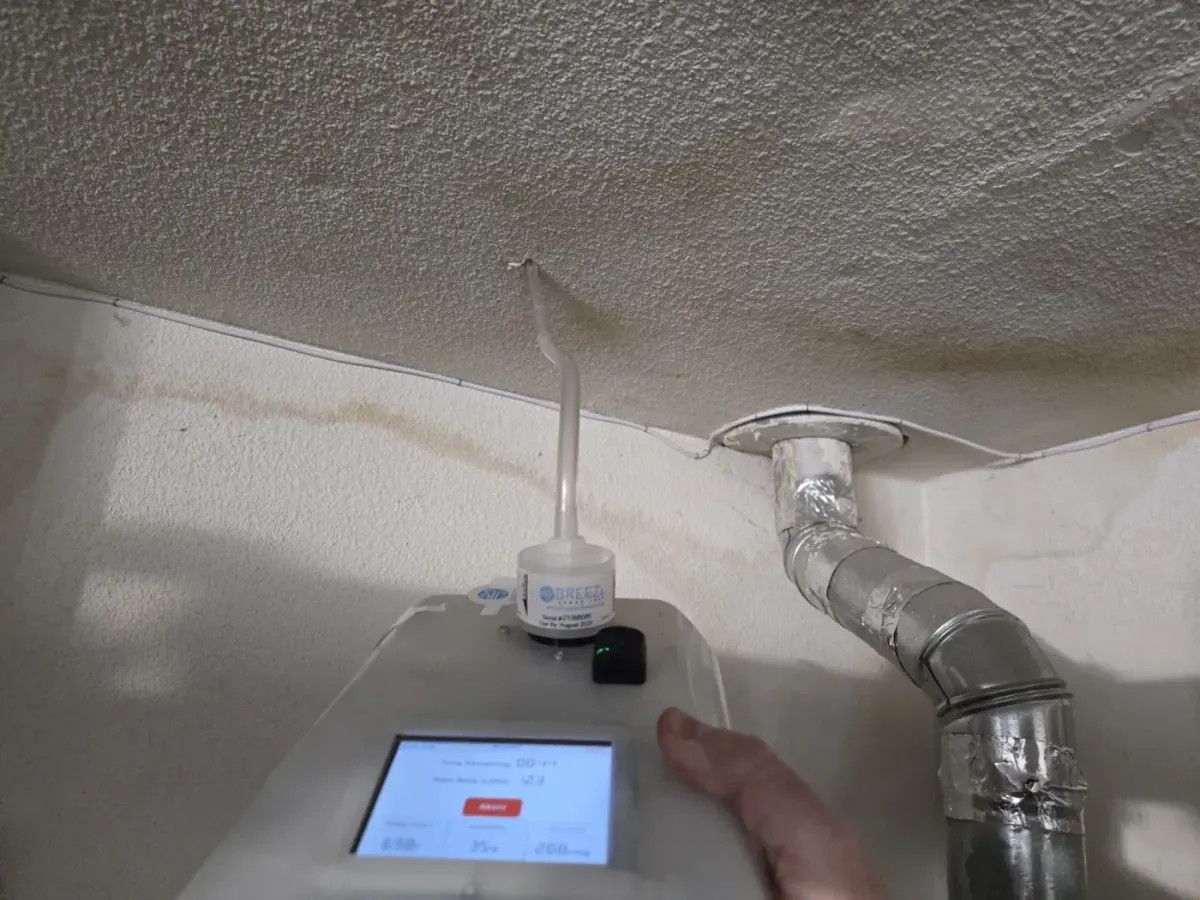
Indoor Air Quality in California Rentals
A Balanced Guide for Renters and Property Management
Indoor air quality (IAQ) concerns in rentals often start with a simple building issue: unresolved moisture. Small leaks, repeated dampness, or delayed repairs can create musty odors and conditions that may support microbial growth—sometimes out of sight.
The EPA notes that indoor levels of some pollutants can be 2–5× higher than outdoor levels (and occasionally much higher), and that most people spend about 90% of their time indoors—which is why indoor conditions matter.
This page is designed to help both renters and property managers handle concerns responsibly, reduce conflict, and—when needed—use professional air quality testing and documentation to clarify next steps. We also have dedicated guides for each audience: renters and tenants and property managers and owners.
Important: This is general information, not legal advice. For legal strategy or tenant remedies, consult a qualified attorney or tenant advocacy organization.
What Usually Causes IAQ Complaints in Rentals
Most rental IAQ complaints trace back to unaddressed water intrusion, such as:
Habitability in California (Plain-Language Overview)
California's Attorney General guidance explains that tenants can request repairs for unhealthy conditions and recommends making requests in writing and keeping copies/photos of communications.
California Civil Code §1941.1 lists minimum habitability characteristics (including effective weatherproofing and plumbing maintained in good working order)—the kinds of failures that often lead to dampness and IAQ issues.
California also prohibits certain forms of retaliation when tenants exercise legal rights related to habitability concerns (Civil Code §1942.5).
Start by Trying to Resolve It
Work With Your Landlord or Property Manager First
Before you pay for any testing, your best first step is usually to create a clear written record and give management a fair opportunity to correct the issue. For a more detailed walkthrough, see our full guide for renters in California.
Document conditions (without guessing)
- •Photos/video of staining, bubbling paint, wet drywall, damaged baseboards
- •Dates, times, and exact locations (room + wall/ceiling area)
- •Odor patterns (“worse after rain,” “strongest in bathroom closet,” etc.)
- •A brief symptom log if relevant (non-medical; just when/where)
Request inspection/repair in writing
- •The CA Attorney General guidance specifically recommends written requests and keeping copies
- •Email or text is fine—what matters is a timestamped record
Focus the request on the cause
- •Ask for inspection and repair of the leak/dampness source, not just “cleaning” or “painting”
If unresolved, consider escalation channels
- •The AG habitability guidance describes contacting local enforcement resources when repairs aren’t being made (varies by city/county)
- •These agencies can inspect and require correction in some situations
When IAQ Testing Becomes the Final Recourse
If you've made reasonable attempts to resolve the issue and you're still stuck—especially with “we don't see anything”—indoor air quality testing is often the most practical way for renters to obtain objective documentation.
A professional indoor air quality evaluation typically includes:
Why baseline comparison matters
Outdoor air naturally contains spores and particulates. A baseline provides context so the discussion isn't “is there any mold?” but rather “do indoor results appear consistent with outdoor background—or suggest an indoor contributor?”
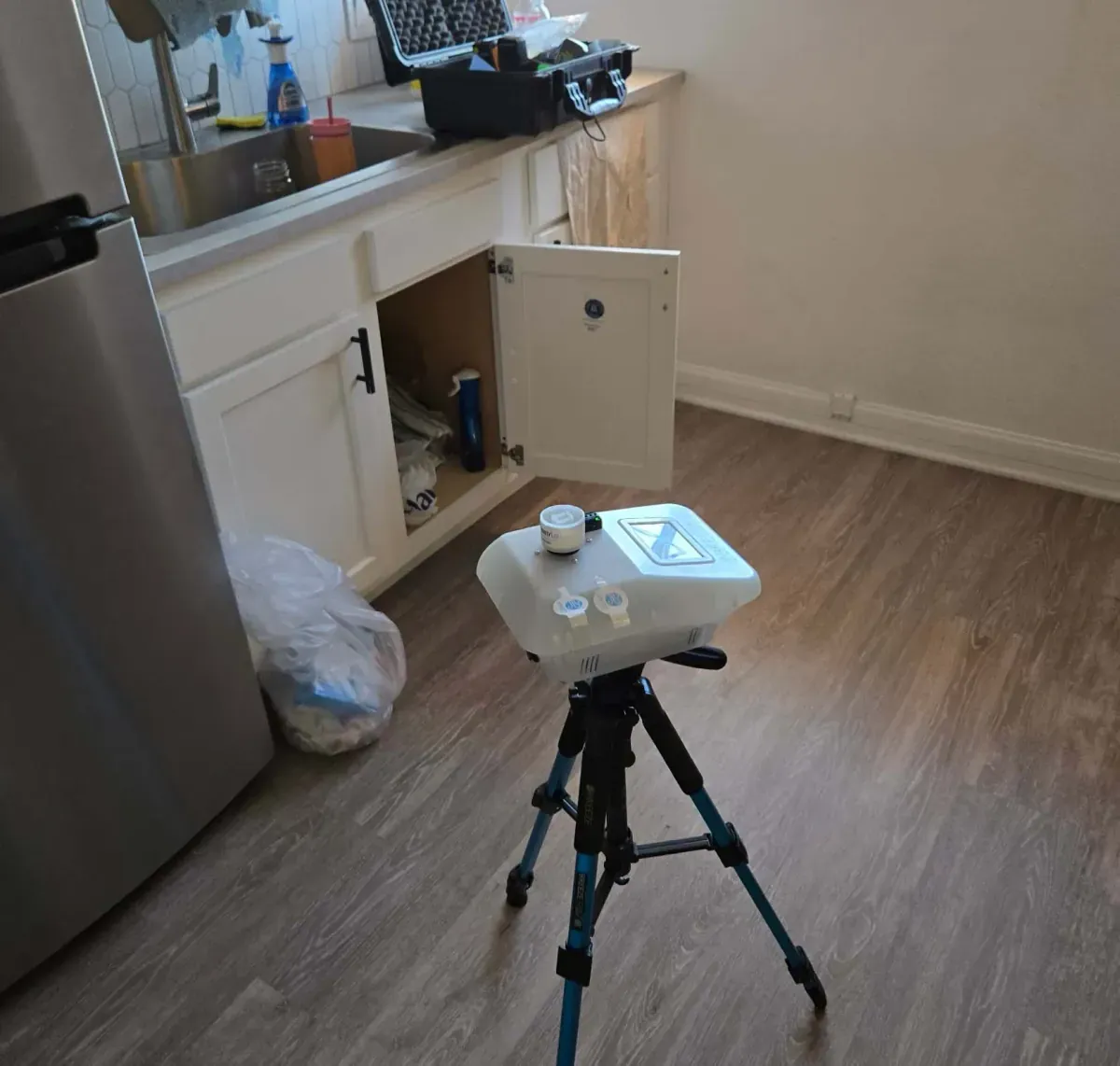
Need Objective Documentation?
Air Quality Testing & Inspection
If you've tried to resolve indoor air quality or moisture concerns with property management and aren't getting meaningful action, professional IAQ testing with lab-certified results can provide the objective documentation you need.
What an IAQ Report Can and Cannot Do
A report can:
- Document sampled conditions and lab findings on a specific date
- Provide clear interpretation using baseline comparison when appropriate
- Support a written request for proper correction and verification
- Provide objective documentation if informal resolution fails
A report cannot:
- Replace repairs (testing doesn’t fix the moisture source)
- Diagnose medical conditions or guarantee health outcomes
- Guarantee how another party will respond
Proactive IAQ Is a Risk-Management Strategy
Most conflicts happen when there's no consistent process, timelines drift, or documentation is thin. A proactive program reduces:
For a complete SOP including intake triage, inspection protocols, vendor standards, and verification steps, see our full guide for property managers.
A Defensible Response Framework
Simple, Repeatable, Documented
Rapid moisture triage
- •Stop the water and protect materials/contents
- •Begin drying if needed
- •Document what happened and what was done
Standardized inspection and documentation
- •Targeted visual inspection of the reported area + adjacent assemblies
- •Moisture screening to identify hidden wet materials
- •Photos and written notes
- •Clear scope of repair with dates and access plan
Correct the cause, not just the appearance
- •Paint and cleaning without correcting the moisture pathway is the #1 driver of repeat claims
- •Address the source of water intrusion before cosmetic repairs
Close the loop with verification
- •Document dryness and completed repairs
- •Perform a post-work check (and, where appropriate, third-party testing)
- •Provide tenants with written confirmation of corrective action
California Mold Booklet Requirement
CDPH's “Information on Dampness and Mold for Renters in California” states that beginning January 1, 2022, residential landlords must provide the booklet to prospective tenants prior to entering a lease, per Health & Safety Code §26148.
This booklet is also useful training material for staff because it reinforces the core theme: moisture control is prevention.
How RCR Environmental Fits Into the Process
We support both sides with objective documentation and clear findings. We don't provide legal advice. Our role is technical: inspection, testing, documentation, and clear next steps.
For Renters & Tenants
After reasonable attempts to resolve with management:
- IAQ testing with baseline comparison when appropriate
- A written report suitable for sharing and documentation
For Property Management
Proactive and responsive support:
- On-site assessments combining air sampling, moisture screening, and documentation
- Clear recommendations to correct the underlying cause
- Optional verification testing for closure after repairs/remediation
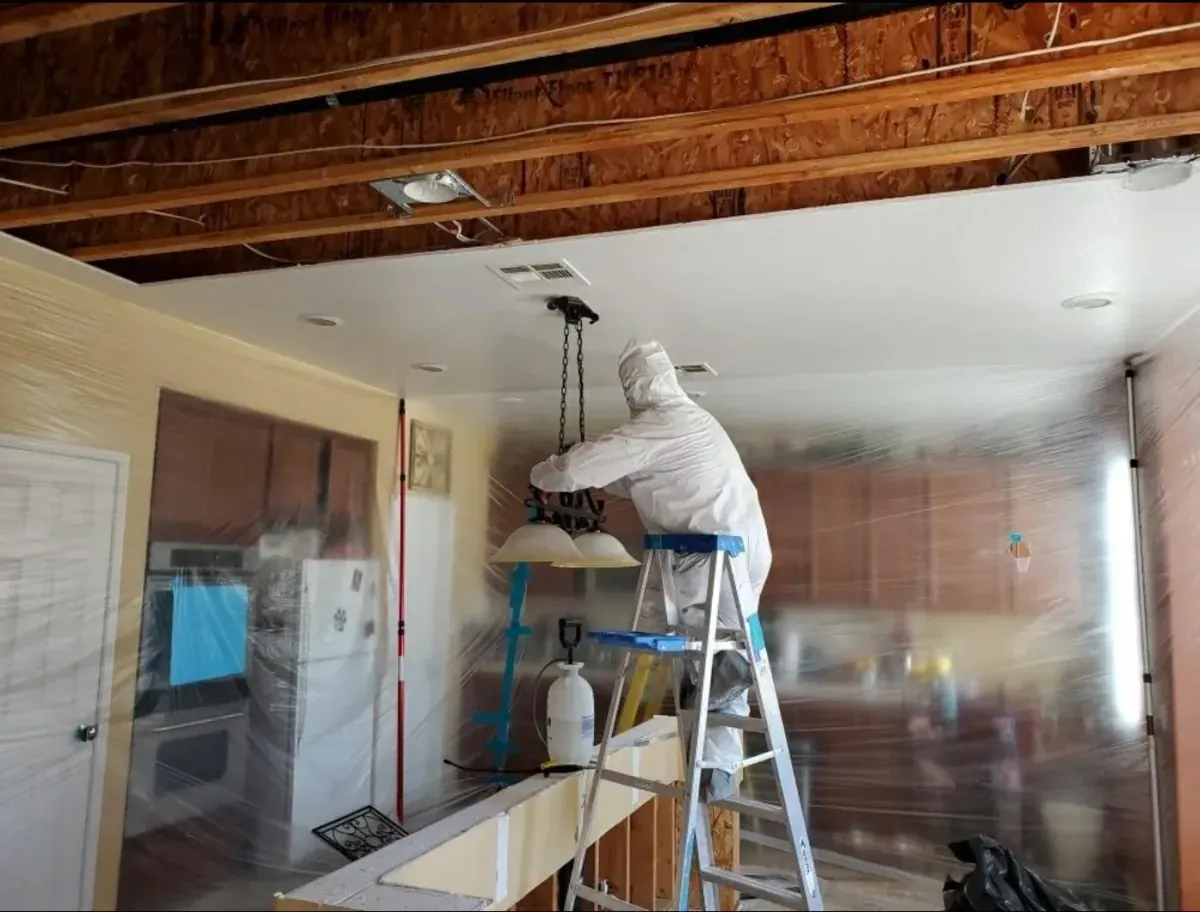
For Renters & Tenants
If you've already tried to resolve the issue with property management and need objective documentation, we can help with indoor air quality testing and a written report.
For Property Management
If you want a proactive IAQ response standard—leak triage, documentation templates, and verification options—we can help you build a repeatable process that reduces complaints and escalation risk.
Frequently Asked Questions
Is there a single statewide “pass/fail mold number”?
There’s no universal threshold. Inspectors interpret results using outdoor comparison, site history, and visible conditions — not a single number. That’s why it’s important to retain a qualified mold inspector who can assess the full scope of the situation, from moisture sources to building history.
Can a landlord retaliate because a tenant requested repairs?
California Civil Code §1942.5 provides protections related to retaliation in certain circumstances. Tenants who exercise their legal rights regarding habitability concerns are protected under this statute.
What’s the fastest way to reduce disputes?
A consistent process: written requests, prompt inspections, moisture-source correction, documented actions, and verification for significant events. The CA Attorney General guide’s emphasis on written documentation is helpful for both sides.
Important
Related Services
Air quality testing pairs with our other services for a complete picture of your indoor environment.
Air Quality Testing
Comprehensive indoor air sampling with lab analysis to document air quality conditions in your property.
Mold Testing
Lab-certified air, surface, and wall cavity sampling to identify and document mold conditions.
Mold Remediation
Professional removal and restoration if testing reveals conditions requiring correction.