

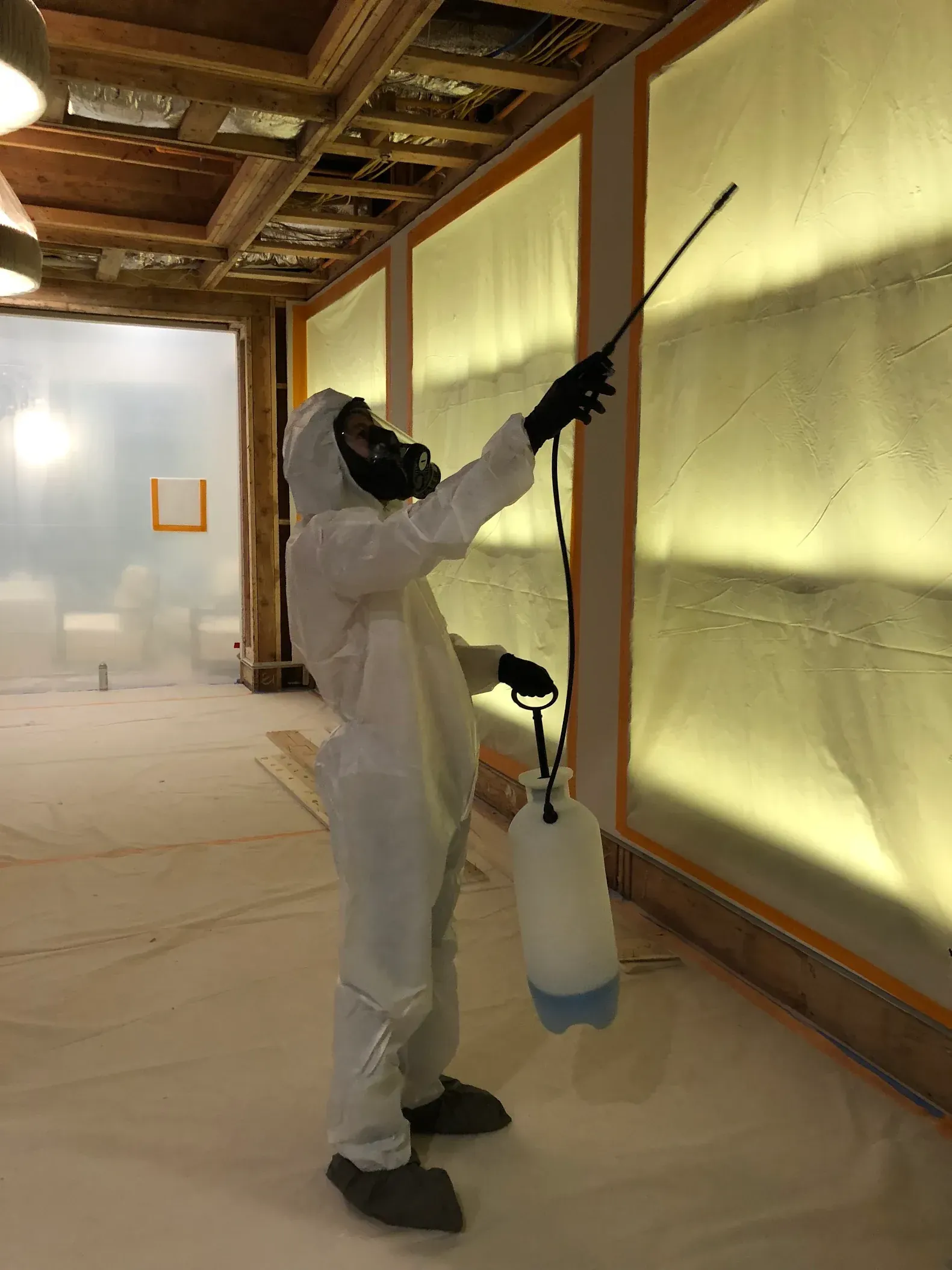
Who Should Get
Mold Testing?
Renters, Property Managers, Buyers, Sellers & Concerned Homeowners
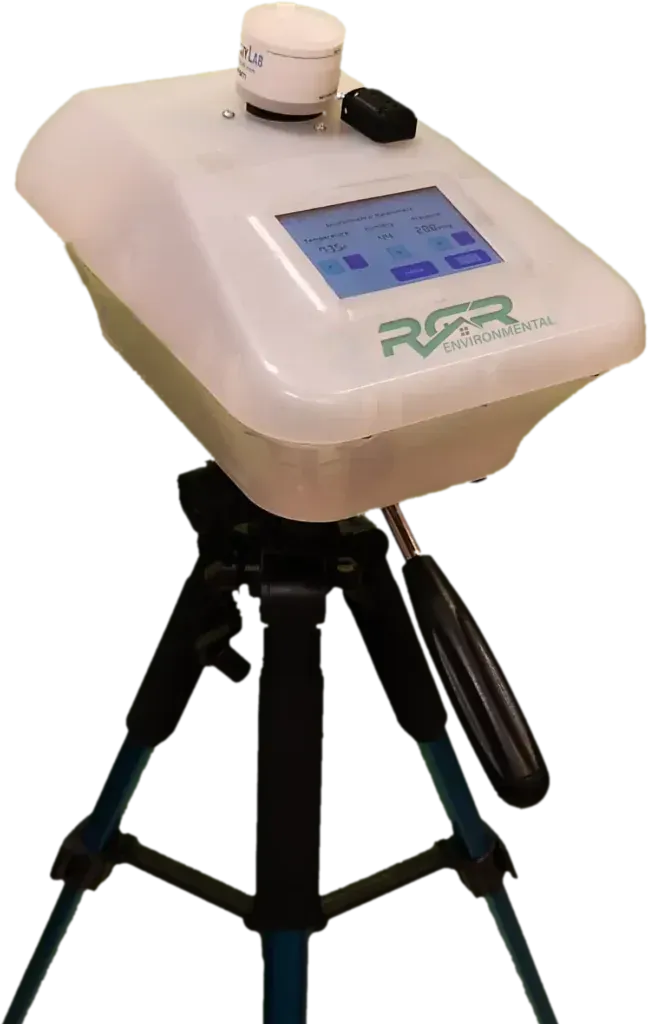
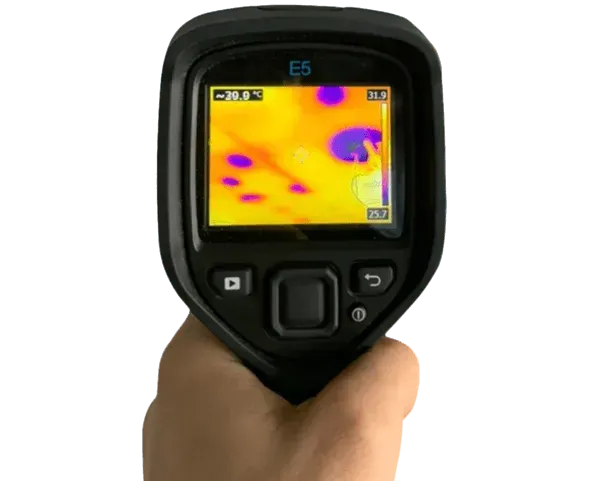
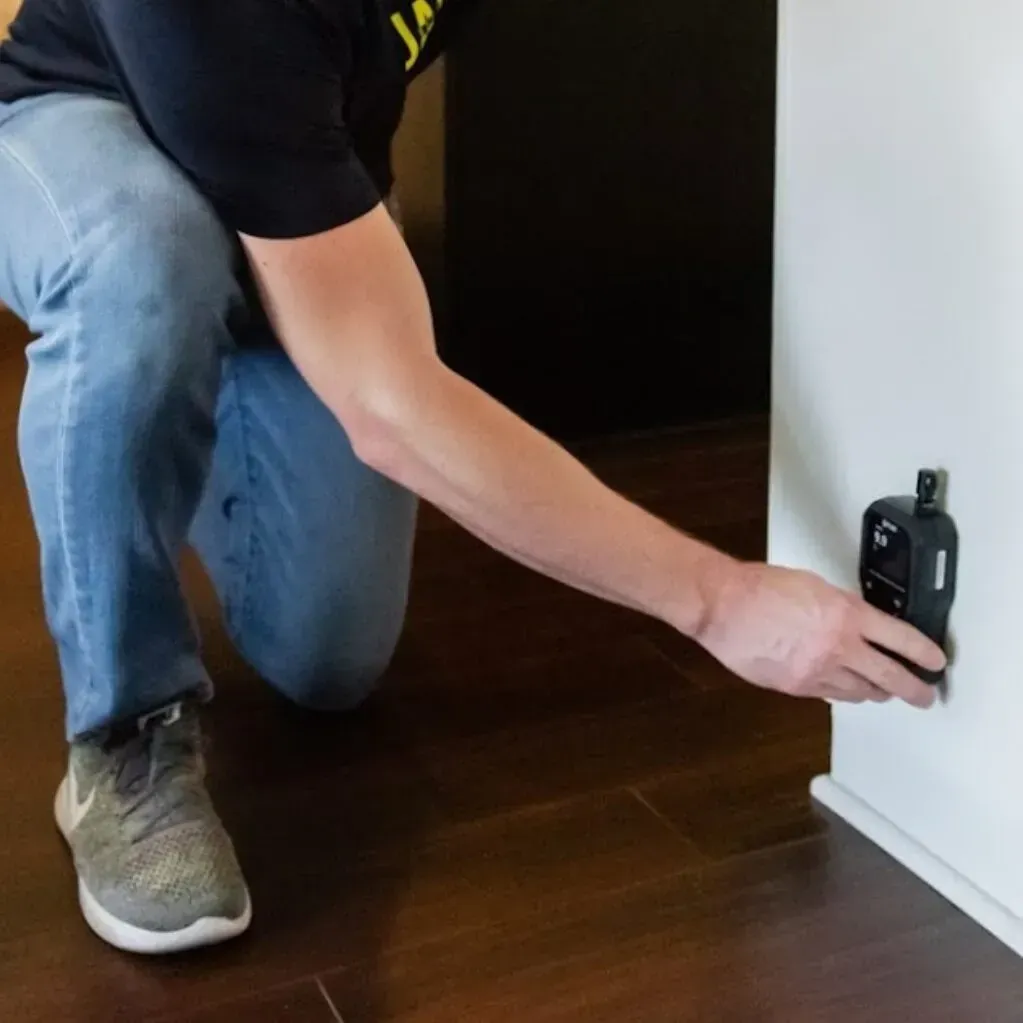
Mold testing is most valuable when you need clarity and documentation—especially when symptoms, odor, moisture history, or real estate decisions are involved. Our process combines visual investigation + moisture screening + lab-certified sampling (air cassette testing and surface swab/tape sampling when it will add clarity), with documented chain-of-custody and clear reporting.
Who Should Get Mold Testing?
Mold testing is most valuable when you need clarity and documentation—especially when symptoms, odor, moisture history, or real estate decisions are involved.
Our process combines visual investigation + moisture screening + lab-certified sampling (air cassette testing and surface swab/tape sampling when it will add clarity), with documented chain-of-custody and clear reporting.
CERTIFIED & Recommended





Practical Questions
Is the indoor environment impacted compared to the outdoor baseline?
Is this likely a normal background condition—or does it suggest an indoor source?
Where is it likely coming from (room air, wall cavity, HVAC, or materials)?
What documentation is appropriate for tenant safety, maintenance decisions, or real estate transactions?
What’s the most reasonable next step—repairs, remediation, or verification?
Property Managers & Landlords
Property management teams often test to support tenant safety, reduce liability, and make maintenance decisions based on objective findings.
Mold testing can help property management:
- Document indoor conditions with chain-of-custody lab results
- Prioritize repairs (leaks, ventilation, condensation, building envelope, HVAC moisture issues)
- Determine whether concerns appear localized or influenced by building factors
- Support decisions before and after corrective work
Most Common Triggers
Renters / Tenants
If you've reported concerns and they aren't being professionally addressed, mold testing can provide objective documentation of conditions. This is especially helpful when:
Note: Testing doesn't replace repairs or remediation—but it can help establish whether conditions warrant professional corrective action.
Home Buyers
Mold testing can be a smart add-on to a home inspection—especially when there's:
What it helps buyers do:
- Identify possible hidden reservoirs before closing
- Avoid surprises after move-in
- Plan realistic remediation and repair scope if needed
Home Sellers
Sellers often test to reduce surprises and keep a transaction moving smoothly—especially when there's prior water damage or a known leak history.
Mold testing can help sellers:
- Document current conditions and show proactive due diligence
- Address concerns before a buyer’s inspection escalates the deal
- Avoid rushed negotiations and last-minute remediation decisions
Homeowners With Symptoms, Odor, or Moisture History
If you're experiencing persistent indoor irritation, allergy-like symptoms, headaches, fatigue, or a musty odor that doesn't make sense, testing can help determine whether your indoor air profile suggests a normal background or a likely indoor source.
Even when current water intrusion isn't obvious, hidden reservoirs can exist in:
Targeted sampling, paired with moisture screening, helps guide the next step with less guesswork.
Schedule Mold Testing
Get Started Today
If you're a renter, property manager, buyer, seller, or homeowner dealing with odor, symptoms, or moisture history, we'll recommend the right sampling approach and explain results in clear terms.
Common Use Cases
“We smell mold but can’t find it.”
“We had a leak—did it impact the air or hidden areas?”
“Tenants are complaining and we need documentation.”
“We’re buying/selling and want clarity before the inspection deadline.”
“Symptoms seem worse at home—can we rule in/out an indoor source?”
What Testing Options May Be Used
Depending on the scenario, a plan may include:
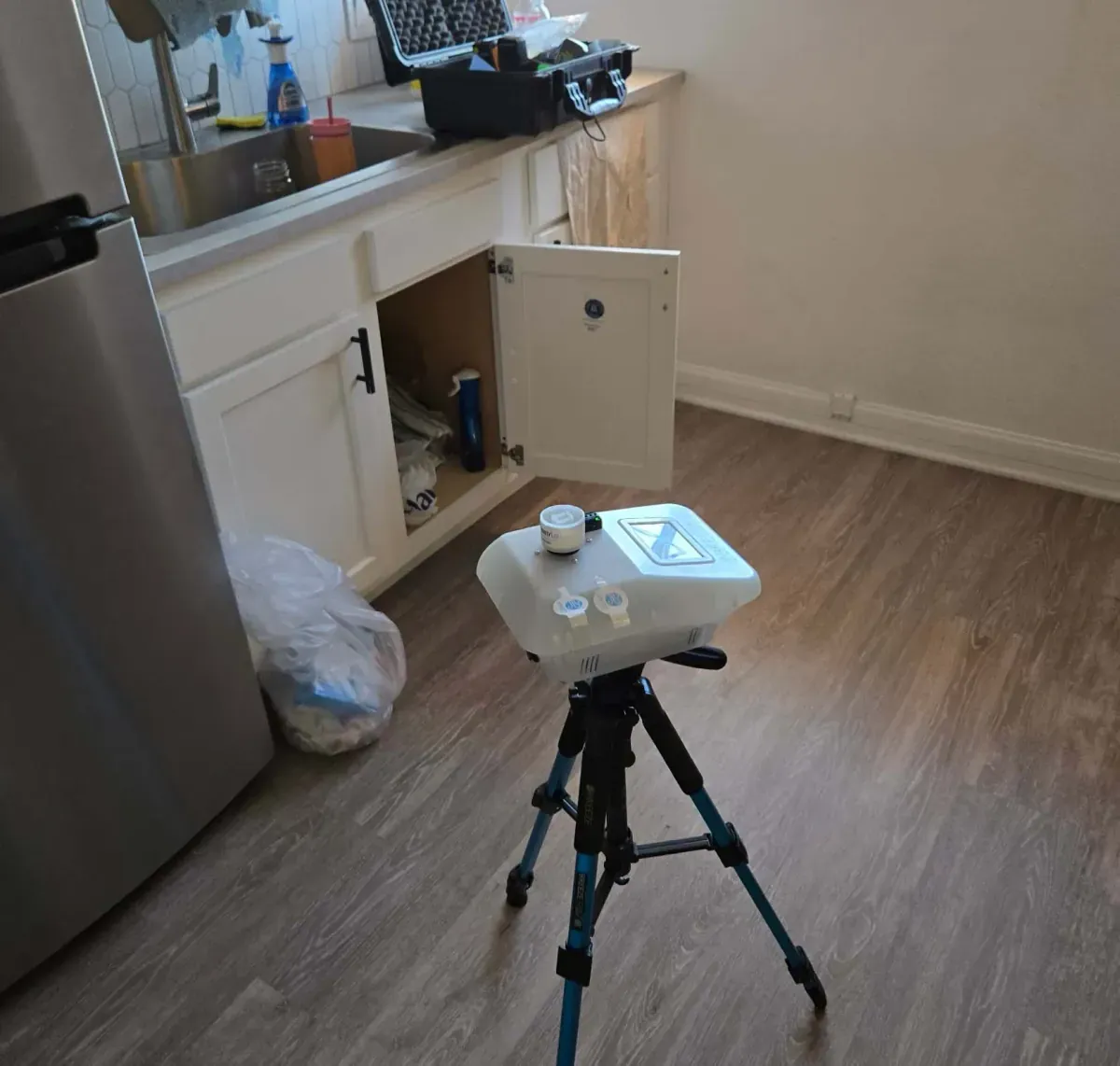
Air Cassette (Spore Trap) Sampling
With an outdoor baseline for meaningful comparison
Targeted Wall Cavity Sampling
For concealed spaces behind walls and finishes
HVAC Influence Sampling
When runtime correlates with symptoms or odor
Surface Swab/Tape Testing
For visible suspect growth or staining identification
Ready to Get
Mold Testing?
Clear Results & Next Steps
If you're a renter, property manager, buyer, seller, or homeowner dealing with odor, symptoms, or moisture history, we'll recommend the right sampling approach and explain results in clear terms.