

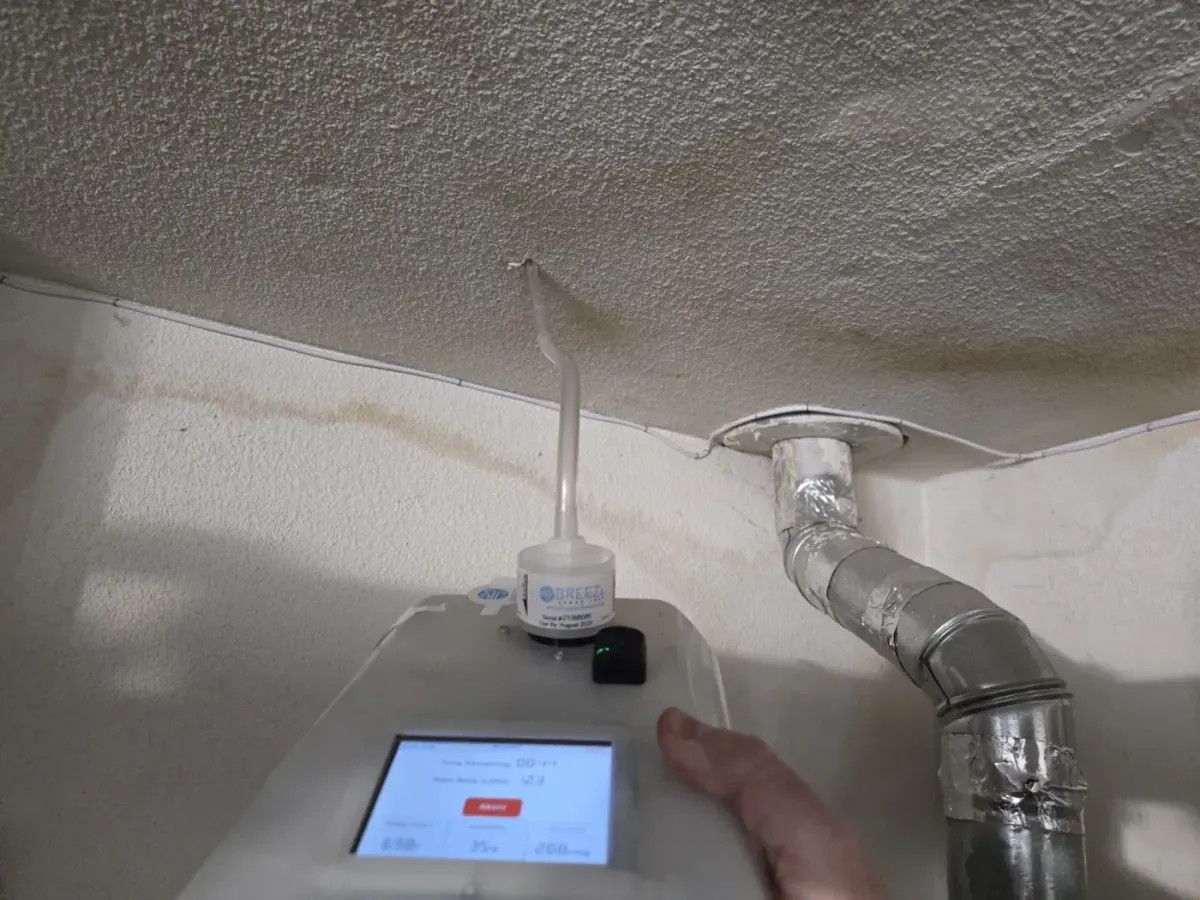
Indoor Air Quality for Property Management & Owners
A Proactive, Documented Approach to Prevent Disputes and Reduce Liability in California
Indoor air quality (IAQ) problems in rental housing rarely start as “air problems.” They usually start as moisture problems—a slow leak, recurring dampness, or delayed repairs—followed by odors, tenant complaints, and disagreements over whether conditions were handled adequately.
California's habitability framework expects rental housing to be safe and healthy, and state guidance encourages clear documentation and timely correction of unhealthy conditions. The California Attorney General's habitability guide emphasizes tenants should request repairs in writing and keep records—which is also a strong best practice for property management to mirror in its own documentation.
This page lays out a practical program property managers and owners can implement to reduce repeat complaints, protect occupancy timelines, and lower litigation risk—without overcomplicating your operations.
Note: This page is general information, not legal advice. For legal interpretations or dispute strategy, consult qualified counsel.
What “Habitability” Means in Practical Building Terms
California Civil Code §1941.1 lists minimum characteristics for a habitable dwelling, including effective waterproofing/weather protection and plumbing maintained in good working order—two categories that directly relate to leaks, dampness, and mold risk.
Separately, CDPH materials highlight that dampness has long been treated as a substandard housing condition for code inspection purposes, and visible mold can be addressed through local enforcement authority when it rises to that threshold.
Translation: If you control moisture quickly, document your response, and verify closure on significant events, you prevent the majority of IAQ escalations.
Required Mold Booklet for Prospective Tenants
California Health & Safety Code §26148 requires residential landlords to provide prospective tenants a consumer-oriented mold booklet developed by CDPH prior to entering a lease.
Operational advantage: Incorporate booklet delivery into your leasing workflow and keep it in your onboarding checklist. This creates a documented compliance touchpoint.
The Property Management IAQ Program
A Repeatable SOP That Reduces Disputes
Intake and Triage Standards
Same day when possible. Every IAQ/mold complaint should be treated as a moisture investigation until proven otherwise.
Intake checklist (minimum):
- •Unit number, room(s), and exact location (e.g., “toilet base at hall bath,” “ceiling stain near window”)
- •Onset timing and triggers (after rain, after shower, after plumbing work, recurring weekly)
- •Photos from tenant (request timestamped photos)
- •Any known prior incidents (prior leak, prior remediation, prior vendor)
Triage priority rules:
- •Active leak / wet materials / sewage → emergency response
- •Ceiling staining after rain → priority inspection (roof/wall intrusion risks)
- •Musty odor + history of leak → inspection within defined SLA window
- •“Symptoms only” → offer inspection pathway; document response and next steps
On-Site Inspection Protocol
Don't skip the building science. A defensible inspection answers four questions:
Is there an active moisture source?
What materials are affected and how far?
What correction is required to prevent recurrence?
What documentation closes the loop?
Minimum inspection components:
- •Targeted visual inspection of reported areas + adjacent assemblies
- •Moisture screening of common failure points: toilet bases, under-sink traps/supply lines, tub/shower valves and pans, window returns, ceiling stains and attic/roof pathways
- •Photos: before, during access, after correction
Tip: “No visible mold” is not a conclusion by itself. Document moisture findings, leak sources, material conditions, and corrective actions taken.
Correct the Source First
Cleaning is not a repair. Most repeat disputes come from “cosmetic closure”:
- Painting over staining
- Surface wipe-down without addressing wet materials
- Replacing a baseboard without solving the leak
Your standard should be: Stop the water → dry affected assemblies → repair the pathway → then restore finishes.
Drying and Containment Decisioning
Keep it proportional. Not every event needs a major response, but every event needs appropriate control:
- •Determine if the event is “localized, clean, quickly dried” vs. “concealed, prolonged, or contaminated”
- •If materials are wet behind finishes, confirm drying—not just surface appearance
- •When you use qualified vendors, ensure the file contains the right proof: photos, readings, timelines, and scope notes
Close-Out Verification
This is where disputes are prevented. If the event was significant (prolonged leak, visible growth, repeated complaints, or tenant escalation), verify closure:
Close-out file should include:
- What was found (cause, pathway, affected materials)
- What was done (repair + drying + cleaning/remediation)
- When it was done (timeline)
- How you know it’s resolved (documentation + verification)
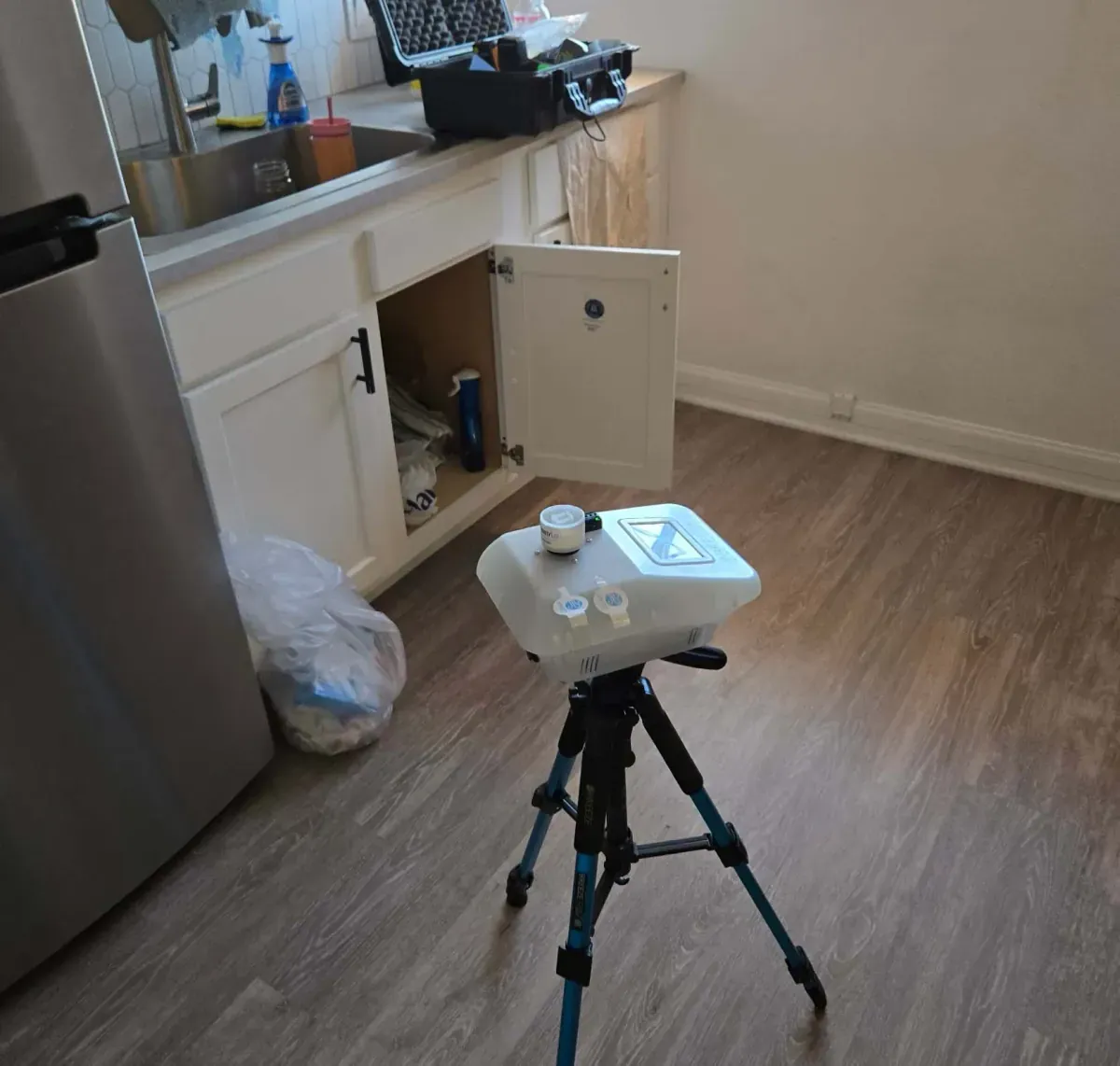
This is where indoor air quality testing becomes useful—not as the first tool for every call, but as a verification/closure tool when the risk of dispute is higher.
When IAQ Testing Makes Sense for Property Management
IAQ testing can be valuable when you need objective, third-party documentation, such as:
A Professional IAQ Evaluation Typically Includes:
Build a Defensible IAQ Program
Property Management IAQ Support
Whether you need a repeatable SOP, on-site inspection support, or verification testing after corrective work, we can help you build an IAQ response standard that reduces complaints and protects your portfolio.
Communication Standards That Reduce Escalation
Tenant Communications: Be Specific and Time-Bound
Instead of
“We'll look into it.”
Use
- "Inspection scheduled for ___."
- "Plumber assigned, scope: ___."
- "Drying/repairs expected to complete by ___."
- "Verification step: ___ (if applicable)."
Keep everything in writing
The CA Attorney General habitability guidance advises tenants to request repairs in writing and keep records. Property management should mirror this standard on your side—it protects both parties.
Vendor Onboarding Checklist
Whether you use in-house maintenance or outside restoration/remediation vendors, require these in every moisture/IAQ job file:
This turns “he said / she said” into a closed record.
Common Failure Points in Rentals (High-ROI Prevention List)
If you proactively inspect these during turns, you reduce emergency calls mid-tenancy:
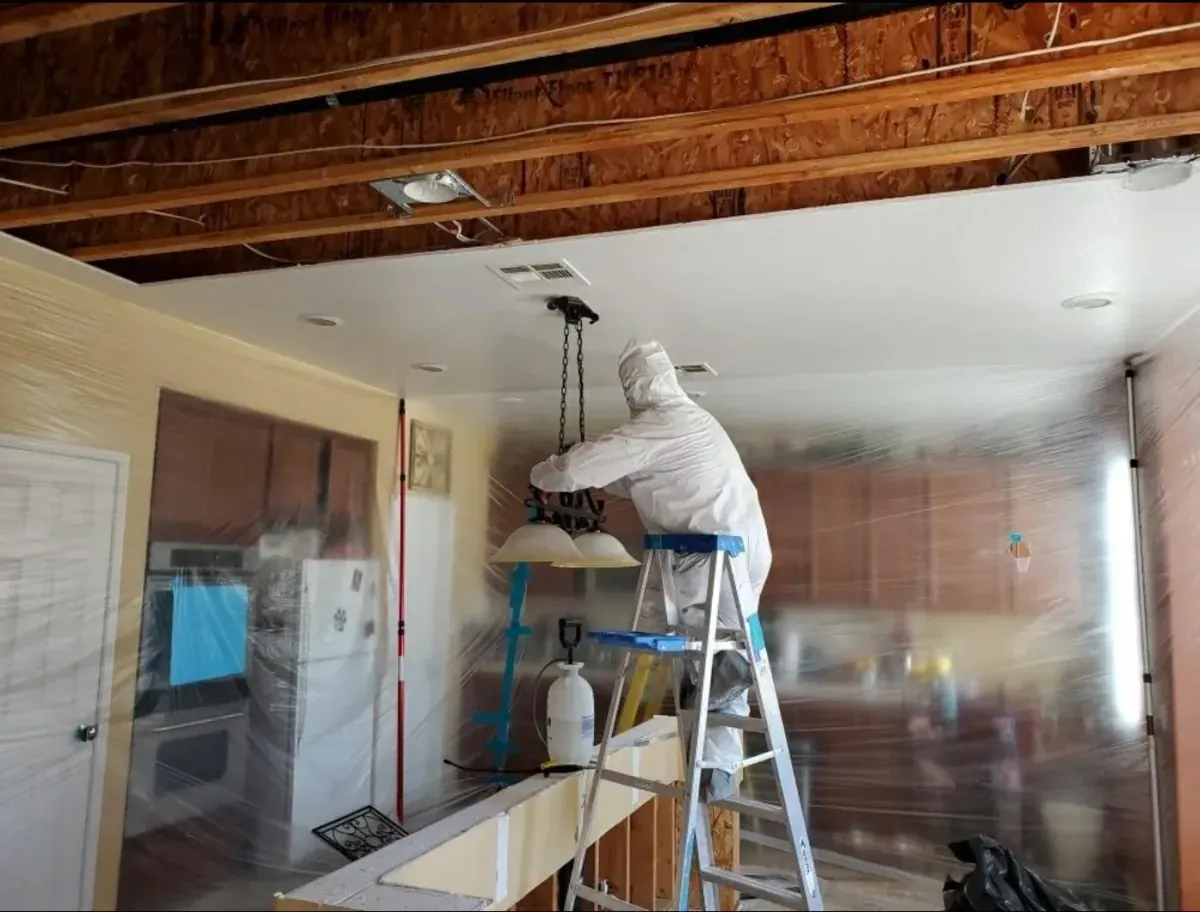
How RCR Environmental Can Support Property Management
We support PM teams with evidence-based documentation and clear, practical recommendations. We don't provide legal advice—our role is technical documentation and clear next-step recommendations.
For Property Managers
Set up a repeatable IAQ response standard across your portfolio—from intake triage to verification close-out.
For Owners
Get a proactive building moisture and IAQ review to reduce turnover risk and protect your investment.
Frequently Asked Questions
Does California have a specific “pass/fail” mold standard for rental properties?
There’s no universal threshold — inspectors interpret results using outdoor comparison, site history, and visible conditions. That’s why we recommend retaining your mold inspector early in the process so they have the full scope of the property’s history, moisture events, and tenant concerns before sampling begins.
When should property management use IAQ testing vs. just fixing the leak?
For routine, quickly resolved leaks with no tenant complaint, a repair-and-document approach is usually sufficient. IAQ testing becomes valuable when disputes persist, when a significant event needs formal close-out, when recurring history exists, or when you need third-party documentation for your files.
What’s the biggest mistake property managers make with mold/IAQ complaints?
Cosmetic closure—painting over staining, surface cleaning without addressing wet materials, or replacing a baseboard without solving the leak. This is the #1 driver of repeat complaints and escalation.
Is the CDPH mold booklet legally required?
Yes. Beginning January 1, 2022, California Health & Safety Code §26148 requires residential landlords to provide the CDPH mold booklet (“Information on Dampness and Mold for Renters in California”) to prospective tenants prior to entering a lease.
Important
Related Services
Our property management services integrate with your existing operations to reduce risk and improve documentation.
Air Quality Testing
Comprehensive indoor air sampling with lab analysis to document air quality conditions across your portfolio.
Mold Inspection
Visual and diagnostic assessment to identify moisture sources and mold risk before they become disputes.
Mold Remediation
Professional removal and restoration when testing reveals conditions requiring correction.