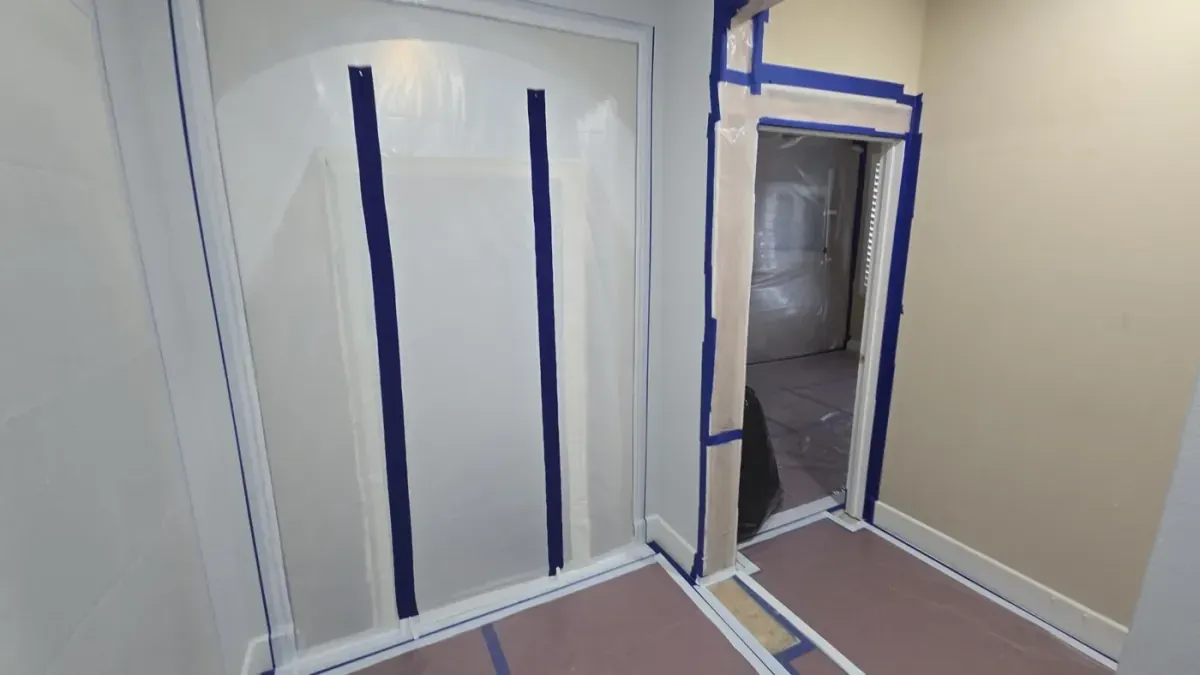

As a homeowner in Southern California, you deal with a unique mix of conditions that can quietly encourage mold: coastal humidity swings, cooler nights followed by warm days, winter rains, occasional plumbing issues, and HVAC condensation—especially in tighter homes with improved insulation. The earlier you spot the warning signs, the easier (and less expensive) it is to fix the moisture source and prevent a small issue from turning into a full remediation project.
This guide breaks down early visual cues, hidden mold indicators, smells and building symptoms, and when it’s time to call a professional—so you can protect your property and your indoor air quality.
Why Mold Starts in Homes (Even "Clean" Ones)
Mold isn’t a sign of a dirty house. Mold is a sign of moisture.
Mold spores are naturally present in the environment. Problems begin when indoor conditions allow spores to settle and grow on materials like drywall, wood, dust, insulation, carpet backing, and fabrics.
Mold growth is most likely when:
- Humidity stays elevated (often above ~60%)
- Surfaces stay damp from condensation
- There’s an active or past leak
- Wet materials aren’t dried quickly after water intrusion
- Airflow is limited (closets, behind furniture, under sinks, inside cabinets)
If you can spot early signs, you can usually stop the problem before it spreads.
1) Visual Signs of Mold in Your Home
The most obvious sign is discoloration—but mold doesn’t always look like the "classic black spots" people expect. It may show up as faint staining, speckling, or irregular patches.
What mold can look like
- Small dots that look like pepper flecks
- Fuzzy or velvety patches
- Smudgy streaks along corners or grout lines
- Black, green, gray, white, or even orange/pink growth
- Growth that returns quickly after cleaning
Common places to check
Bathrooms
- Grout lines and caulk joints
- Behind toilets
- Ceiling above the shower
- Window sills and frames
- Under bath mats and around baseboards
Kitchens
- Under the sink (especially cabinet base and corners)
- Around dishwasher edges
- Behind the refrigerator (drip pan area)
- Around the sink cutout and faucet penetrations
Bedrooms & Living Areas
- Around window frames (condensation zones)
- Behind headboards and furniture on exterior walls
- Closets (especially in corners and behind stored items)
Attics
- Roof sheathing around bathroom fan ducts
- Near vents, can lights, or ducting with condensation
- Areas with poor ventilation or blocked intake/exhaust
Basements / Lower Levels
- Baseboards on exterior-facing walls
- Behind stored boxes
- Near sump pits, water heaters, laundry rooms
- On exposed wood framing or around cracks
Don’t overlook "water marks"
Water staining is often the early warning before visible mold:
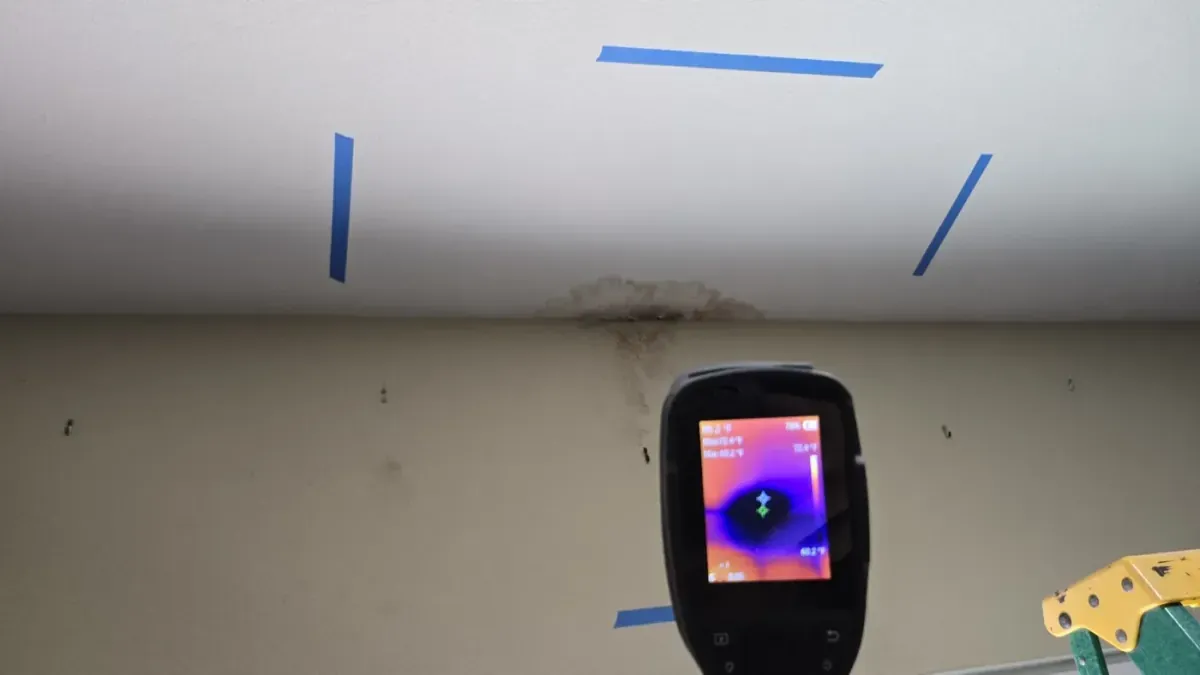
- Yellow/brown rings on ceilings or drywall
- Peeling or bubbling paint
- Swollen baseboards
- Warped cabinet bottoms
Those signs usually mean moisture has been present long enough for microbial growth to become possible—sometimes hidden.
2) Building/Material Changes That Suggest Moisture (and Possible Hidden Mold)
Even if you don’t see mold, your home can show you that something is wrong.
Common building symptoms:
- Paint bubbling, peeling, or blistering
- Drywall that feels soft or "crumbly" near the bottom
- Baseboards separating from the wall
- Warped wood trim or cabinets
- Carpet edges that feel damp or smell musty
- Flooring that cups, buckles, or separates
- Recurring condensation on windows or walls
If these changes are localized (one wall, one room, one corner), that’s often a clue to a targeted moisture source—leak, condensation pattern, or airflow issue.
3) Musty Odors: The #1 Early Warning Sign People Ignore
A persistent musty smell—especially one that returns after cleaning or air fresheners—is one of the strongest indicators of hidden microbial growth.
Where odor-based mold is often hiding
- Inside wall cavities after a past leak
- Under sinks behind stored items
- Behind shower walls where grout/caulk failed
- Under flooring (vinyl, laminate, carpet padding)
- Inside HVAC components (drain pans, insulation, supply boots)
- In attics near bathroom fan exhaust issues
Pro tip: If the smell gets stronger after the home has been closed up (overnight, after a trip, or after rain), that’s a meaningful clue.
4) How to Detect Hidden Mold in Your Home
Hidden mold is common in Southern California homes because moisture events are often intermittent—small leaks, seasonal humidity, occasional roof intrusion—so the home dries "on the surface" while cavities and porous materials remain affected.
Key signs of hidden mold
- Musty odor with no visible growth
- A history of leaks (roof, plumbing, window intrusion)
- Discoloration or swelling with no current active leak
- Recurring condensation issues
- Symptoms that improve when you’re away from the home
- Mold keeps returning in the same location
High-risk hidden mold zones
- Behind bathroom tile and shower surrounds
- Under kitchen and bathroom sinks
- Behind washing machines and water heaters
- Around HVAC registers and duct boots
- Behind baseboards and drywall near slab edges
- Window headers and framing (condensation)
- Crawl spaces and attic insulation
Why professional tools matter
A visual look only goes so far. Professional inspections often involve:
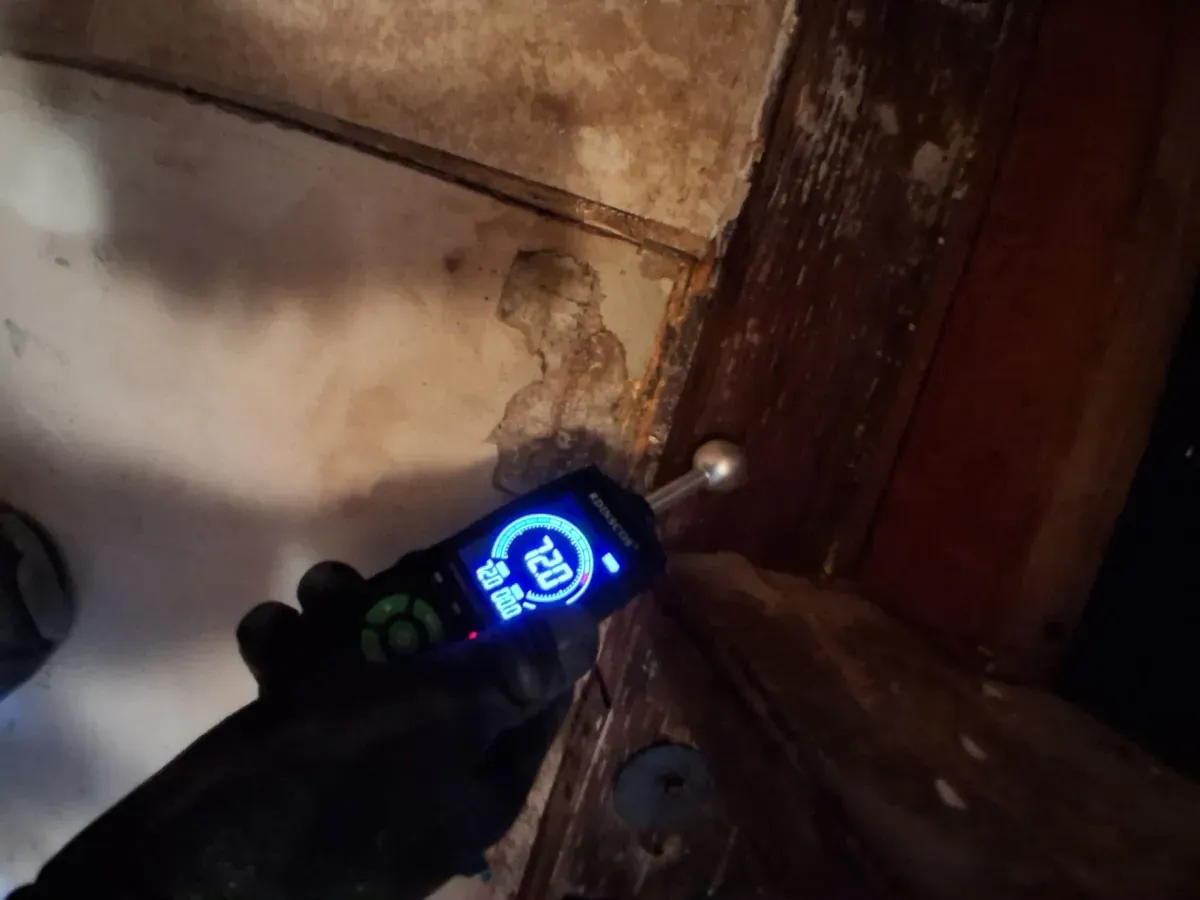
- Moisture meters to identify damp building materials
- Infrared imaging (as a screening tool) to locate suspect areas
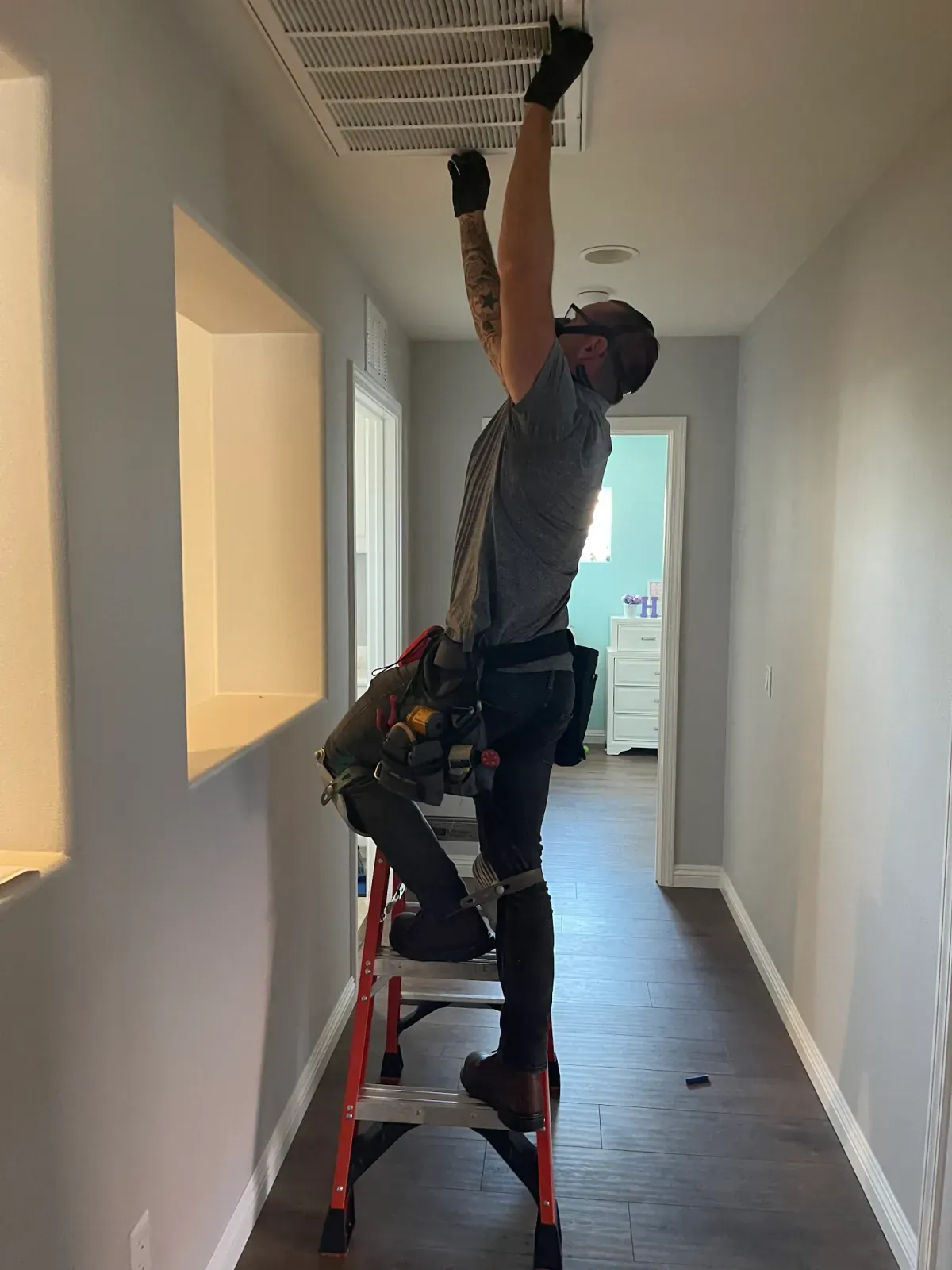
- Inspection of HVAC components and drainage systems
- Targeted recommendations based on building science and airflow patterns
5) Health Symptoms That Can Be Associated With Mold Exposure
Mold exposure affects people differently. Some have no noticeable reaction; others experience symptoms that feel like allergies or a persistent cold—especially with ongoing exposure.
Common symptoms reported with mold exposure include:
- Sneezing, nasal congestion, post-nasal drip
- Itchy eyes, throat irritation
- Coughing, wheezing, asthma flare-ups
- Headaches, fatigue, "brain fog"
- Skin irritation or rashes in some cases
Important note: symptoms alone cannot diagnose mold, and many conditions can cause similar issues. If symptoms are persistent or severe, consult a medical professional—while also investigating environmental contributors.
6) "Black Mold" Signs: What You Should Know (Without the Hype)
Many people use "black mold" to describe any dark-colored growth, but color alone doesn’t identify the species.
Stachybotrys chartarum is often discussed online and in media, but:
- You can’t confirm it by appearance alone
- Many molds can look black or dark green
- The key issue is still moisture + contamination, regardless of species
If you see dark growth in an area that has had chronic moisture (especially drywall), it’s worth treating seriously and getting it evaluated professionally—especially if the affected area is larger, recurring, or associated with odor and symptoms.
7) When to Call a Professional (and When DIY Isn’t Enough)
Small, isolated surface spotting in a low-risk area can sometimes be cleaned safely if the moisture source is corrected. But there are clear situations where professional help is the safer path.
Call a professional when:
- The affected area is recurring
- There’s a musty odor with no visible source
- You’ve had a leak or flooding, even if it "dried"
- The growth appears on drywall, insulation, HVAC, or framing
- You suspect it’s in wall cavities or under flooring
- There are infants, elderly occupants, or immune-compromised individuals in the home
- You need documentation (property management, real estate transactions, insurance, etc.)
Why "less than 10 sq ft" isn’t always the full story
A small visible patch can be the "tip of the iceberg" if:
- Moisture is inside a wall cavity
- There’s a slow leak under a cabinet
- Flooring is trapping moisture
- HVAC condensation is recurring
That’s why a targeted inspection is often the most cost-effective first step.
What to Do If You Notice Early Signs Today
If you suspect mold or moisture issues:
- Don’t ignore odor—it usually means something is happening.
- Check for active leaks under sinks, behind toilets, around HVAC drains.
- Reduce humidity (fans, dehumidifier, run bathroom ventilation).
- Avoid disturbing suspect materials—scrubbing or demo can spread contamination.
- Schedule a professional inspection if the issue is recurring, hidden, or larger than a simple surface cleanup.
How RCR Environmental Can Help
At RCR Environmental, we focus on identifying the root cause—because lasting results come from correcting the moisture driver, not just cleaning a surface.
We can help with:
- Targeted mold inspections and moisture assessments
- Recommendations for ventilation and moisture control
- Identifying hidden moisture pathways
- Remediation planning when removal is needed
- Air quality testing when hidden issues are suspected
Stay Ahead of Mold—Early Action Saves Money and Stress
Mold problems rarely begin as big disasters. They usually start as small moisture patterns that go unnoticed—until odor, staining, or symptoms force attention. By learning the early signs and acting quickly, you can protect your home, your indoor air quality, and your long-term costs.
If you’re noticing signs of mold in your home and want a clear plan forward, reach out to RCR Environmental for a professional evaluation.