

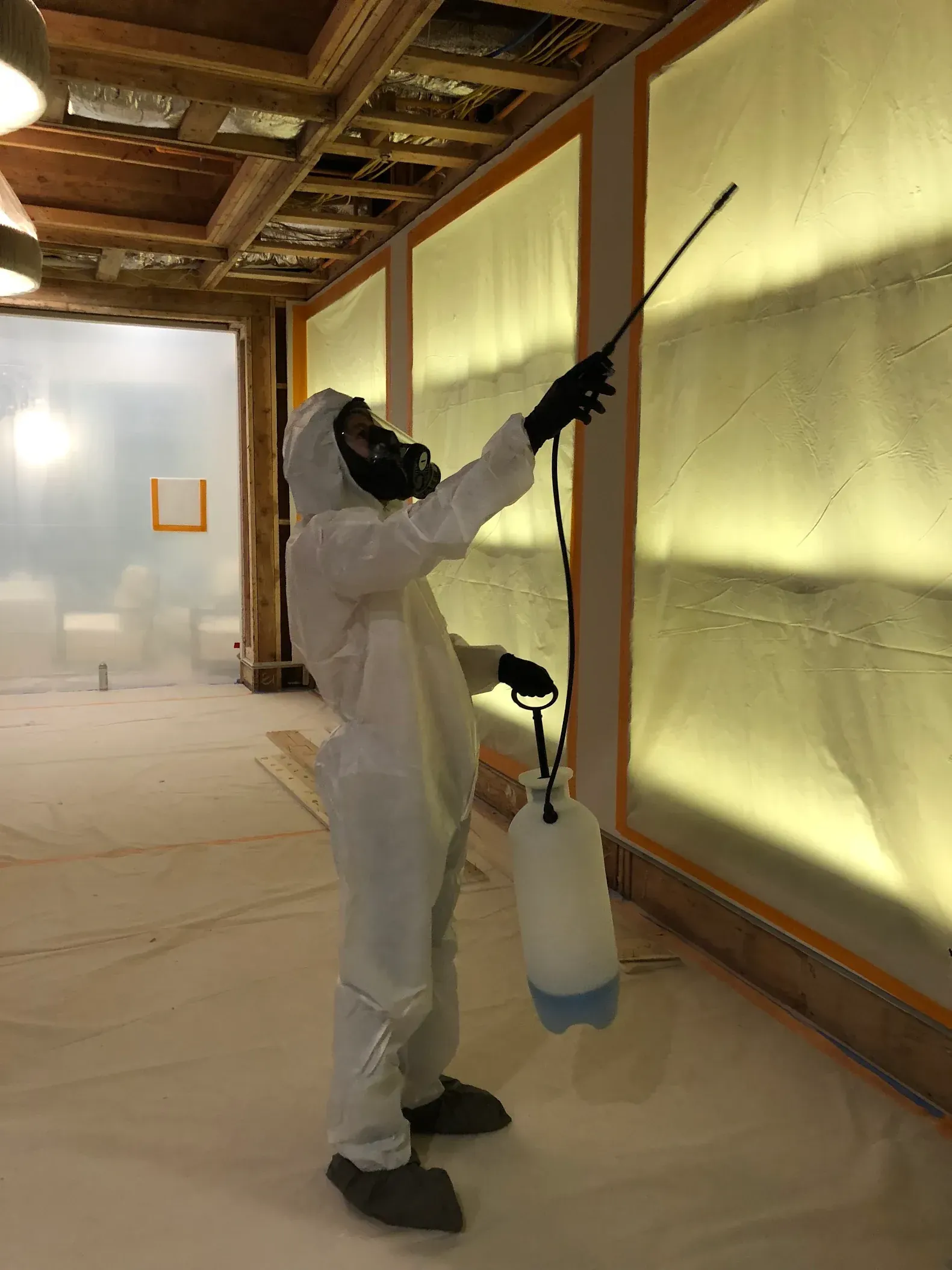
Indoor Air Quality
Testing for Homes
Professional Air Quality Assessment
The EPA notes that indoor pollutant levels can be 2–5× higher than outdoors, and most people spend about 90% of their time indoors. If something feels off—musty odors, recurring symptoms, or a history of moisture problems—air quality testing can help you understand what's actually circulating through your home.
Indoor Air Quality Testing for Homes
Indoor air quality isn't just about mold—it's about understanding what's circulating through the air you breathe every day. Mold spores, allergens, dust, volatile compounds, and other particulates can all contribute to odors, discomfort, and health concerns—especially in homes with moisture problems, poor ventilation, or aging HVAC systems.
Our air quality testing process combines a targeted inspection with lab-certified sampling to give you real answers about your indoor environment—not guesswork.
CERTIFIED & Recommended







Common Reasons People Request Air Quality Testing
Musty or stale odors that persist even after cleaning
Allergy-like symptoms (congestion, headaches, irritation) that worsen indoors
A history of water damage, leaks, or flooding
Visible condensation, humidity issues, or poor ventilation
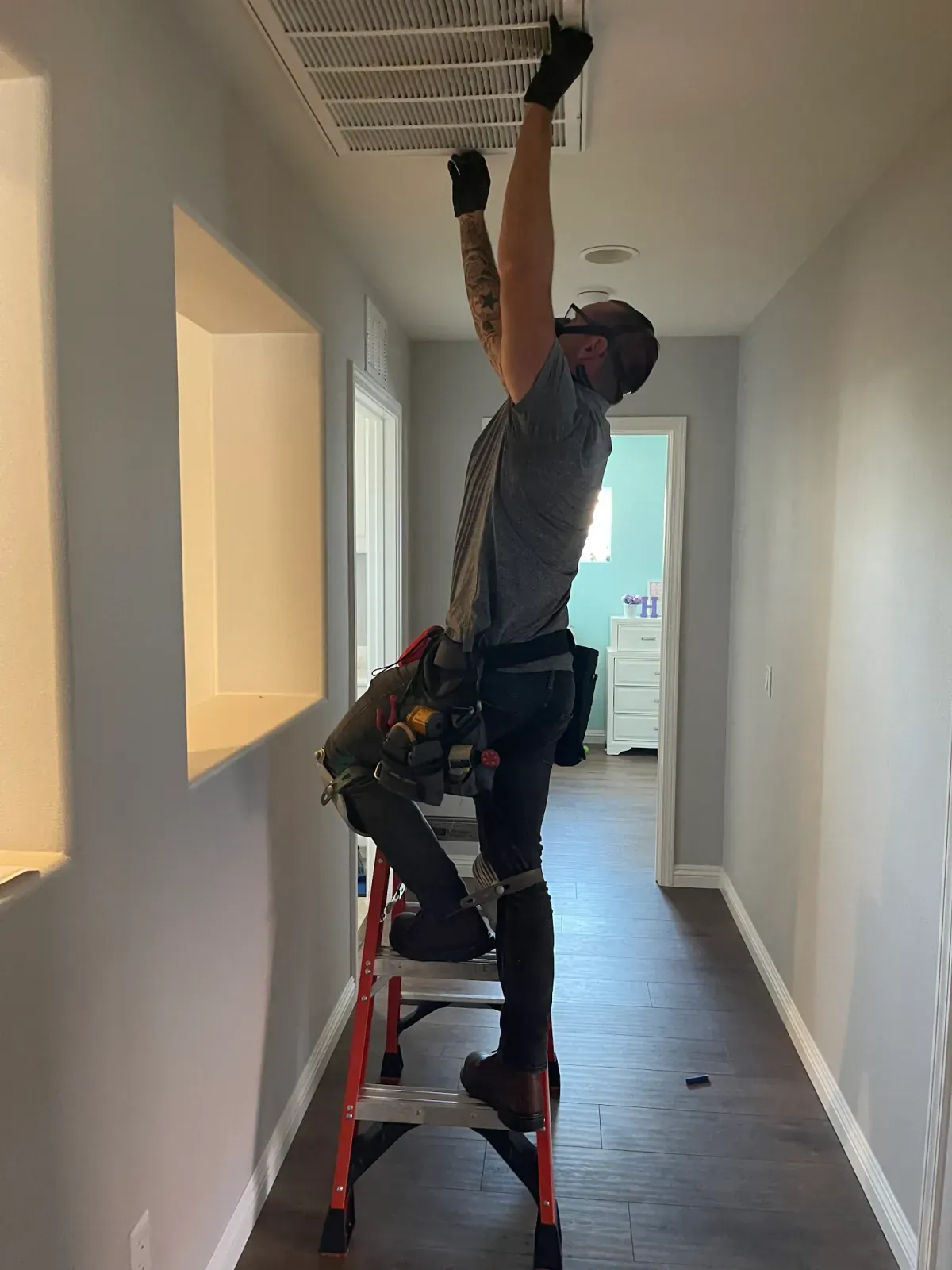
Concern about what’s circulating through the HVAC system
Post-remediation verification that indoor air has returned to normal
Air Quality Problems Usually Start With Moisture or Ventilation
Most indoor air quality issues we find trace back to one or more of these underlying conditions:
Addressing the source is what improves air quality long-term. Testing is how you confirm what's happening and where to focus.
Mold & Indoor
Air QualityBy the numbers
Indoor Air Pollution
Time Indoors
Asthma & Dampness/Mold
Homes With Dampness/Mold Indicators
These are population-level findings and broad averages. Your home's air quality depends on moisture conditions, building materials, ventilation, HVAC maintenance, and whether there's an active source of contamination.
Sources: U.S. EPA; Mudarri & Fisk (Indoor Air); LBNL Indoor Air Quality Research
Mold & Indoor
Air QualityBy the numbers
Indoor Air Pollution
Time Indoors
Asthma & Dampness/Mold
Homes With Dampness/Mold Indicators
Sources: U.S. EPA; Mudarri & Fisk (Indoor Air); LBNL Indoor Air Quality Research
These are population-level findings and broad averages. Your home's air quality depends on moisture conditions, building materials, ventilation, HVAC maintenance, and whether there's an active source of contamination.
If you've noticed persistent odors, unexplained symptoms, or have a history of water damage, air quality testing can help confirm what's circulating through your home and identify the source.
What Professional Air Quality Testing Includes
A thorough air quality assessment isn't just "collecting a sample." It's an evidence-based process designed to answer four key questions:
Is the indoor air impacted compared to the outdoor baseline?
What types of contaminants are present, and in what quantities?
Is the concern localized to certain areas or affecting the whole home?
What are the next steps to improve conditions and prevent recurrence?
Targeted Inspection + Moisture Screening
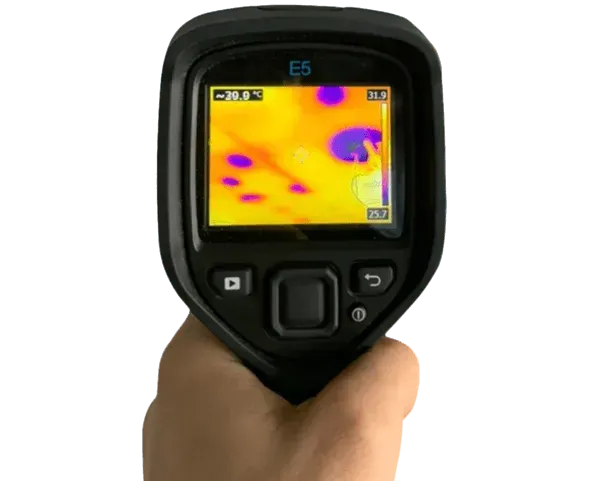
We start by evaluating the rooms and building systems most likely to affect air quality: bathrooms, kitchens, HVAC components, crawlspaces, attics, and areas with prior water damage or visible moisture issues.
Lab-Certified Air Sampling
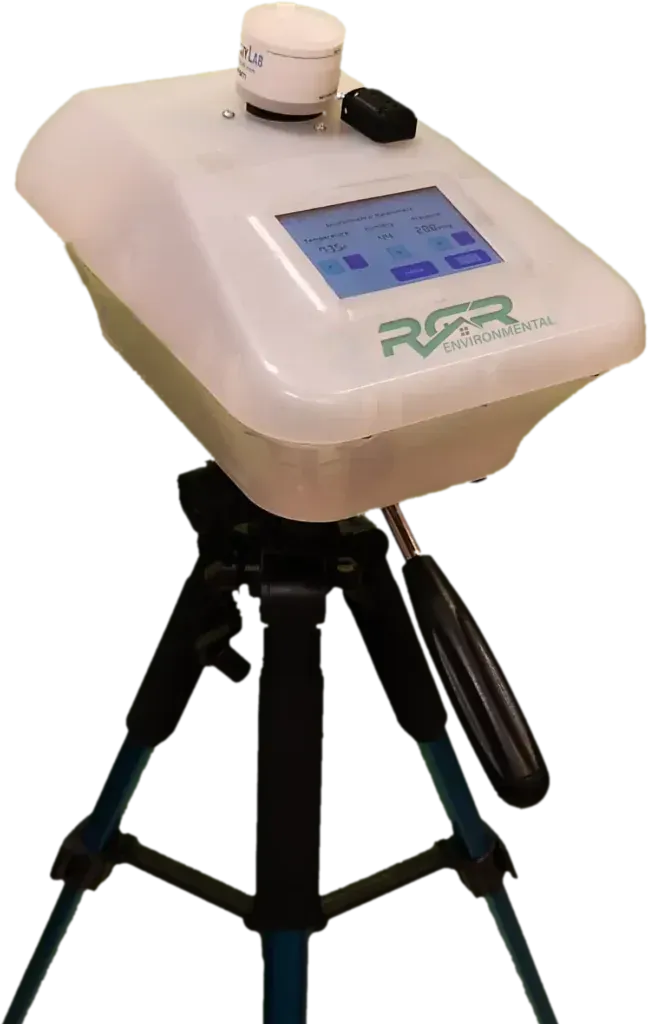
Using air cassette (spore trap) sampling, we collect indoor and outdoor samples to evaluate airborne mold spores, allergens, and particulates. The outdoor sample serves as the baseline for meaningful comparison.
Additional Sampling (When Appropriate)
Depending on the concern, we may recommend wall cavity sampling for hidden sources, HVAC/duct sampling for distribution concerns, or particle identification testing for non-mold irritants like pollen, dust, or fiberglass.
Clear Findings + Action Plan
You receive a plain-language explanation of what we found, what it likely means for your indoor environment, and what to do next—whether that’s improving ventilation, targeted remediation, or simply monitoring conditions.
Learn more about each sampling method:
Why Indoor Air Quality Matters More Than You Think
Research estimates that roughly half of homes show some form of dampness and/or mold indicators. That doesn't mean every home has a major air quality problem—but it does mean moisture issues, poor ventilation, and aging HVAC systems are common enough to take seriously when you notice warning signs.
Indoor Air Quality Tips That Actually Work
Improving air quality starts with controlling moisture and ventilation—the two biggest factors in most homes:
- Fix leaks quickly and verify materials are actually dry—not just surface-dry
- Run bathroom and kitchen exhaust fans during and after moisture-producing activities
- Keep indoor humidity below 60% (ideally 30–50%) during wet seasons
- Service HVAC systems regularly and replace filters on schedule
- Ensure crawlspaces and attics have proper ventilation and vapor barriers
- After any water event, confirm drying in hidden cavities—not just visible surfaces
- Watch for condensation on windows, pipes, and cold surfaces—these signal humidity issues
Where We Serve
We provide indoor air quality testing, mold inspection, and environmental sampling for homeowners across Riverside County and surrounding areas, including Murrieta, Temecula, Menifee, Canyon Lake, Lake Elsinore, Wildomar, and nearby communities.
Frequently Asked Questions
What’s the difference between air quality testing and mold testing?
Air quality testing evaluates what’s in the air you’re breathing—including mold spores, allergens, and other particulates. Mold testing can also include wall cavity sampling, HVAC testing, and surface swabs for a more targeted investigation into specific mold concerns.
Can air quality testing detect problems besides mold?
Yes. With particle identification add-on sampling, we can evaluate for pollen, dust, fiberglass, insulation fragments, and other non-mold particulates that may be contributing to indoor irritation or allergy-like symptoms.
Is indoor air always “100× worse” than outdoor air?
Not always. The EPA’s point is that indoor pollutant levels can be 2–5× higher, and occasionally exceed 100× depending on the specific pollutant and conditions. Your home’s actual air quality depends on moisture, ventilation, and building conditions.
How many air samples do you need to evaluate my home?
One sample alone is rarely the whole story. We always collect an outdoor baseline for comparison, plus indoor samples from areas of concern. Multiple samples help determine whether results suggest a localized source or wider influence.
What should I do if I notice odors but can’t see any mold?
Persistent musty or stale odors often point to a hidden moisture source. Air quality sampling combined with moisture screening can help locate where damp materials or concealed contamination may be affecting your indoor environment.
Do you provide remediation if air quality issues are found?
Yes. We can provide remediation guidance and remediation services when needed, along with objective assessments and clear remediation plans for any issues identified during testing.
Air Quality
Procedure Outline
Core Steps
Free Initial Assessment
Begin with a complimentary on-site evaluation to understand the specific needs and concerns of the client. Our technician will conduct a visual inspection and discuss the potential issues with the homeowner.
Sampling of Indoor Air
Using state-of-the-art equipment, we'll collect samples from various zones in the property to gauge the indoor air contaminants, including mold spores, allergens, and other particulates.
Outdoor Referencing
To ensure accuracy in our results, we'll also take an outdoor air sample. This acts as a reference point and helps us identify anomalies in the indoor environment.
Detailed Lab Analysis
The collected samples are sent to our accredited laboratory. Here, they undergo a meticulous examination to determine the types and concentrations of pollutants.
Comprehensive Report
Once the lab analysis is complete, we'll prepare an in-depth report detailing our findings. This will include potential health risks, recommended corrective actions, and any other relevant insights.
Advice & Solutions
Based on our findings, we'll offer tailored solutions to rectify identified air quality issues. This may include mold remediation steps, ventilation improvements, or moisture control methods to ensure a healthier living environment.
Concerned About Your Indoor Air?
Get Answers Today
If your home has persistent odors, unexplained symptoms, past water damage, or HVAC-related concerns, we can help you understand what's circulating through your air and identify the source.
Related Services
Indoor air quality connects to mold and moisture issues. Explore our specialized services for a complete assessment.
Air Quality Testing
Lab-certified air cassette and spore trap sampling for precise airborne contaminant measurement.
Mold Testing
Surface, wall cavity, and HVAC sampling to identify mold sources affecting air quality.
Mold Remediation
Professional mold removal to restore healthy indoor air when contamination is confirmed.