

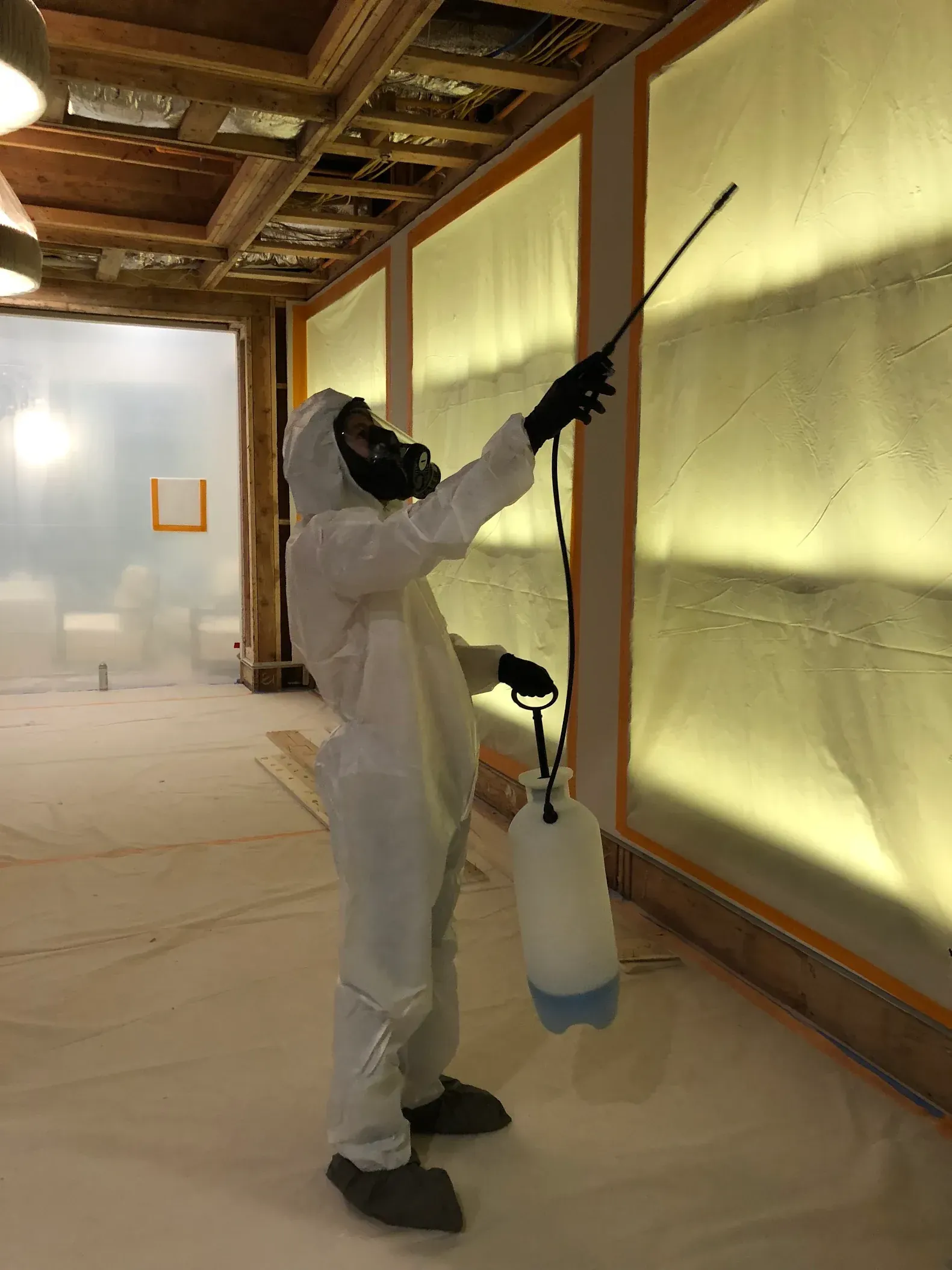
Mold Inspection
Temecula
Inspection & Lab-Certified Testing
Temecula’s newer tract homes and stucco construction can mask slow moisture intrusion for years. When condensation forms around registers, marine layer dampness lingers in shaded areas, or a musty smell appears in a home that “looks fine,” the goal isn’t just “test for mold”—it’s to find out what’s actually happening behind the finishes.
Newer Construction Doesn’t Mean Moisture-Free
Many Temecula homes were built within the last 10–25 years with tight building envelopes, stucco exteriors, and tile roofs. These features are durable, but they can also trap moisture behind finished surfaces—especially when plumbing leaks, condensation cycles, or landscape grading issues go unnoticed.
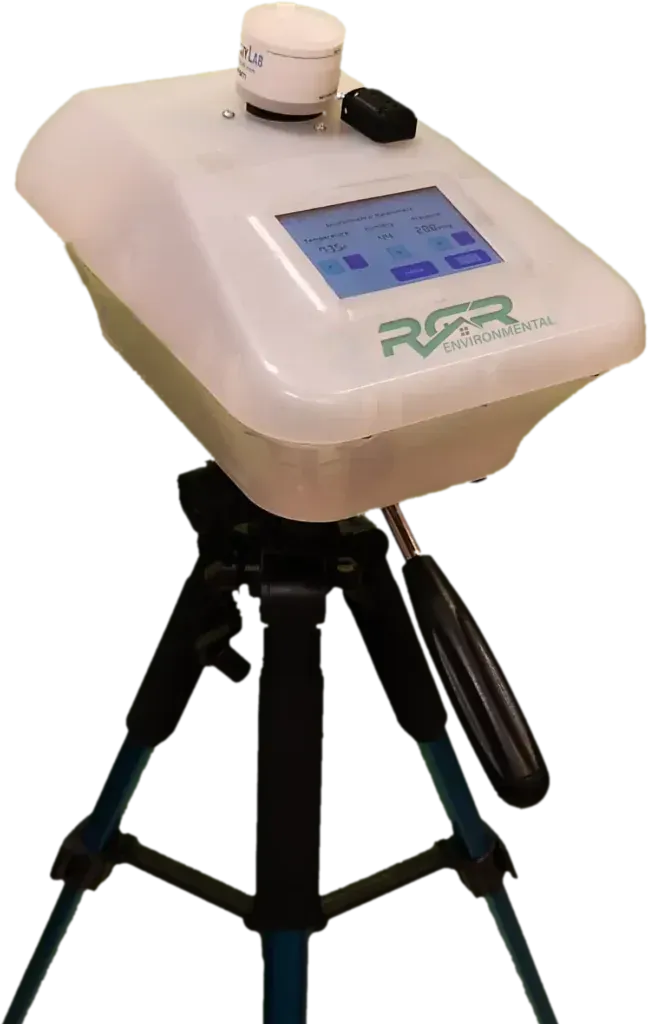
Our process combines visual investigation + moisture screening + lab-certified sampling to determine whether conditions in your Temecula home suggest a mold concern worth addressing. We use air cassettes for airborne evaluation and swab/tape methods for surface identification, with documented chain-of-custody and clear reporting.
CERTIFIED & Recommended







Practical Questions for Temecula Homeowners
Whether you're in Old Town Temecula, the Wine Country hills, near French Valley, or along the Santa Rosa Plateau, the core questions are the same—but the moisture drivers can vary by neighborhood, construction era, and landscape.
Is there evidence of moisture intrusion behind stucco or tile-roof assemblies that could support mold?
Where is the source likely coming from—condensation around registers, a slow plumbing leak, or marine layer dampness?
What types of mold are present, and do the quantities suggest indoor amplification?
What’s the most reasonable next step—targeted cleanup, professional remediation, or post-repair verification?
Where Moisture Hides in Temecula Homes
Temecula's housing stock—primarily 10–25 year old tract homes with stucco exteriors, tile roofs, and tight building envelopes—creates a specific set of moisture risks that differ from older or more rural construction. From Old Town to the Wine Country hills, French Valley, and neighborhoods near the Santa Rosa Plateau, these homes share construction patterns that can trap moisture behind finishes for years without visible warning.
Stucco-masked intrusion
Temecula’s stucco-clad walls can absorb and redirect water behind the exterior finish for months. Hairline cracks, failed sealant at window transitions, and flashing gaps at roof-wall intersections allow slow moisture entry that never shows on the inside until damage is advanced.
Marine layer condensation
The morning marine layer that flows through the pass from the coast creates overnight condensation on cooler north-facing walls and shaded surfaces. Over time, repeated wetting-drying cycles on building materials create conditions for microbial growth behind furniture and in concealed wall cavities.
Register condensation from long AC runtimes
Temecula’s warm summers drive extended cooling cycles. Condensation forms around supply registers, on attic duct surfaces, and at the air handler coil area when temperature differentials are high—especially in two-story homes with attic-mounted systems.
Tight building envelopes trapping humidity
Newer construction with energy-efficient windows and insulation reduces natural ventilation, which means bathroom humidity, cooking moisture, and laundry steam have fewer escape routes. This is amplified in homes where exhaust fans vent into the attic rather than outdoors.
Vineyard-area spore loads
Properties near Temecula’s agricultural areas and wine country can experience elevated outdoor fungal activity during certain seasons. This makes proper indoor-outdoor baseline comparison critical for accurate interpretation of air sampling results.
Mineral efflorescence vs. mold on stucco
White crystalline deposits on interior stucco-backed walls are often mistaken for mold. These are typically mineral salts pushed through by moisture migration. Surface testing distinguishes between efflorescence and actual biological growth, which determines the correct response.
What Our Temecula Inspections Focus On
Temecula's construction patterns require a specific inspection approach. Stucco can conceal moisture for years, attic-mounted HVAC systems create condensation risks that aren't visible from living spaces, and the marine layer adds a variable most homeowners don't account for. We adjust our assessment to these conditions rather than running a generic checklist.
Stucco & Envelope Assessment
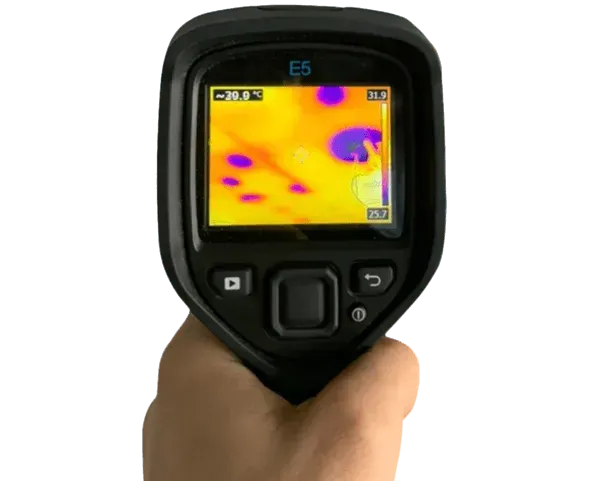
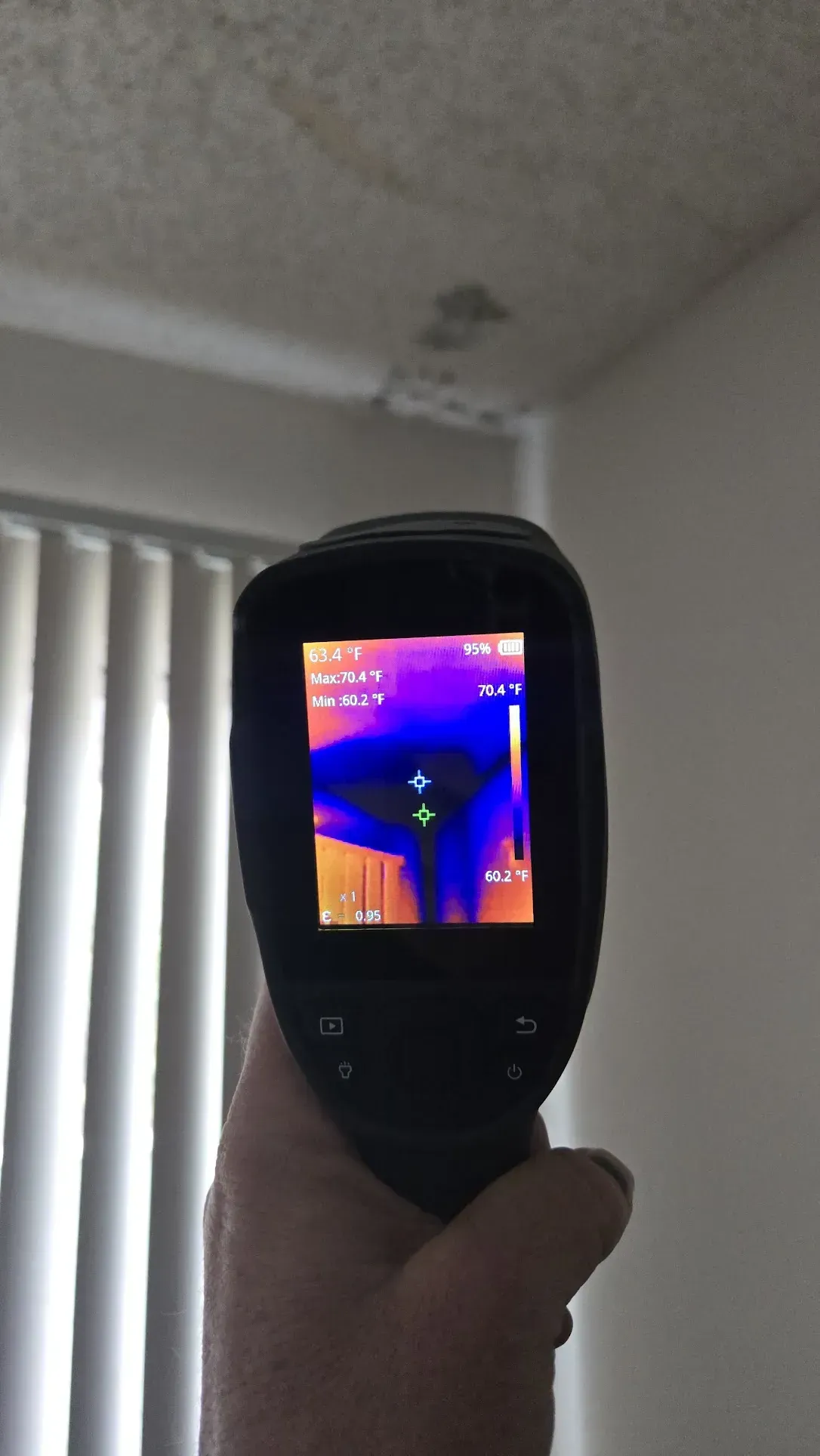
We use moisture screening and thermal imaging to identify moisture anomalies behind stucco-backed drywall—especially at window-to-wall transitions, roof-wall intersections, and north-facing surfaces where marine layer condensation accumulates. These are the areas where stucco masks intrusion most effectively.
HVAC & Condensation Evaluation
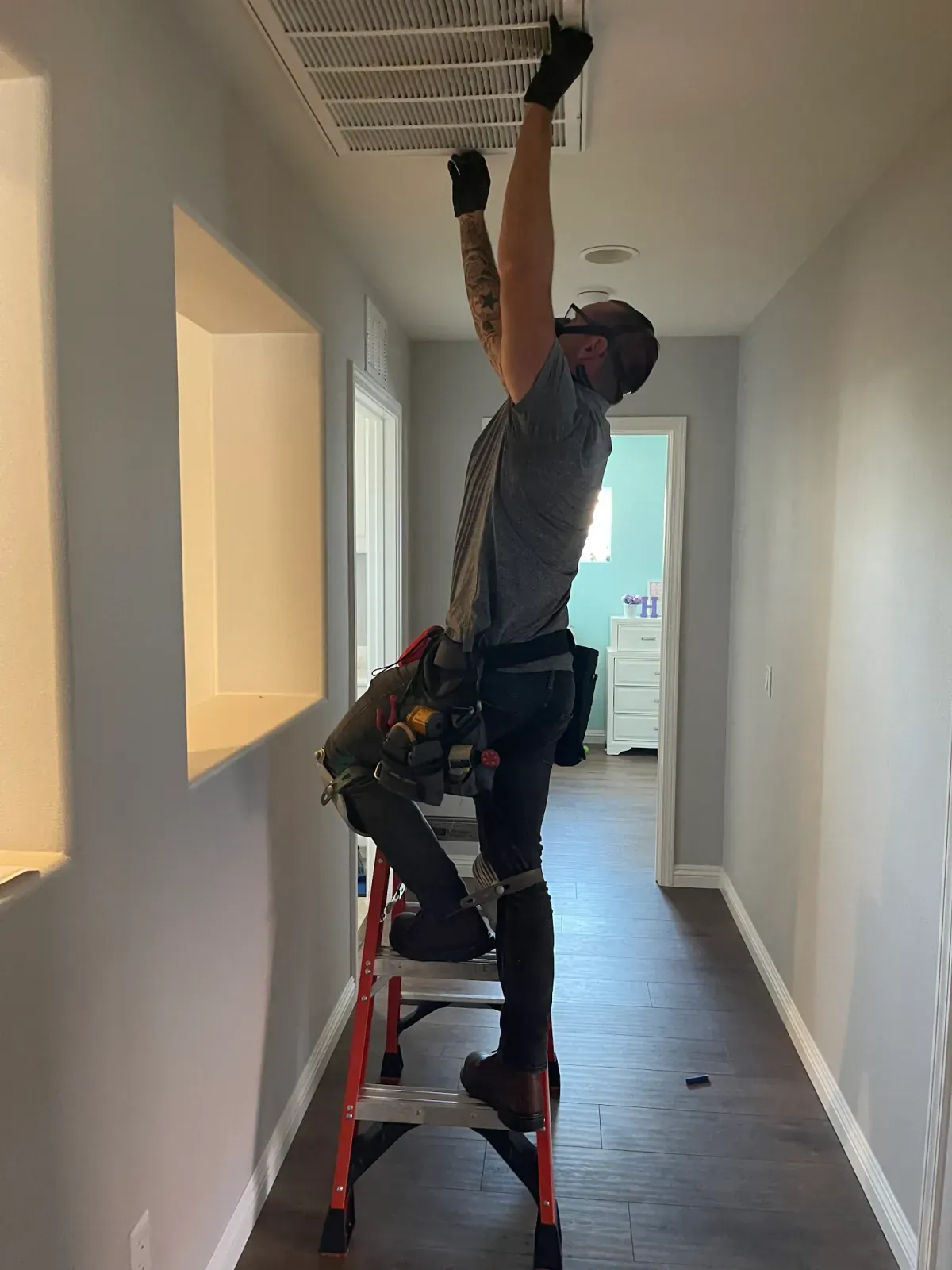
Temecula's attic-mounted air handlers and flex-duct systems are a common contributor to moisture problems we find. We evaluate register condensation patterns, check for attic duct sweating, and determine whether the HVAC system is part of the problem or simply distributing an issue from elsewhere.
Lab-Verified Results in Context
Air cassette results in Temecula require careful baseline interpretation because outdoor spore loads vary with vineyard proximity and season. We compare indoor profiles against a local outdoor sample, accounting for Temecula-specific variables, and document everything with photos and sampling rationale.
Want to understand the full testing process—how air cassettes work, what wall cavity testing involves, or how we interpret lab results? See our complete inspection & testing process →
Schedule a Mold Inspection in Temecula
Serving Temecula & Surrounding Areas
If you're dealing with condensation around AC registers, a musty smell that appeared after summer runtime, visible spotting behind furniture on exterior walls, or unexplained irritation in your Temecula home, we'll help you choose the right testing approach—air cassette sampling, wall cavity screening, HVAC testing, and/or surface confirmation—based on the real conditions in your home.
Understanding the Full Inspection Process
Our Temecula inspections use the same lab-certified methods and interpretation frameworks we apply across every project: air cassette sampling, wall cavity pulls, HVAC evaluation, surface swab and tape lift testing, and structured result interpretation aligned with the ANSI/IICRC S520 standard.
View the complete inspection & testing processFrequently Asked Questions — Temecula
My Temecula home is only 10 years old. Can it really have a mold problem?
Absolutely. Newer construction with stucco exteriors and tight building envelopes can actually trap moisture more effectively than older homes. Slow plumbing leaks, condensation from long AC runtimes, and morning marine layer dampness can all create conditions for hidden mold behind finishes that look perfectly fine from the outside.
Why does my house smell musty only in the morning?
Temecula’s dry-heat-to-cool-night cycle—combined with marine layer influence from the Wine Country hills—can cause overnight condensation on cooler surfaces. As the home warms up in the morning, that moisture begins to evaporate and can carry musty odors from materials that have been absorbing moisture over time.
How many air samples do I need for my Temecula home?
Enough to answer the question without oversampling. Most Temecula inspections include an outdoor baseline plus indoor samples in key concern areas. Larger two-story homes or multi-zone complaints—common in Temecula’s tract-home neighborhoods—may warrant additional targeted samples.
Should I do wall cavity testing or just air testing?
If the concern is hidden mold behind stucco-backed drywall or in a bathroom wall after a slow leak, cavity testing can be the most direct way to evaluate a suspect area rather than relying on general room air alone. This is particularly relevant in Temecula homes where stucco can mask intrusion for years.
I see condensation around my AC registers. Is that mold?
Condensation around registers is common in Temecula during high-runtime summer months and doesn’t automatically mean mold. However, persistent condensation can create conditions for microbial growth on surrounding drywall or insulation. An inspection can determine whether the condensation has progressed to a concern that needs attention.
Temecula Community Resources
Official city and community resources for Temecula residents:
Nearby Service Areas
We also provide mold inspection in these nearby communities:
Air Quality
Procedure Outline
Core Steps
Free Initial Assessment
Begin with a complimentary on-site evaluation to understand the specific needs and concerns of the client. Our technician will conduct a visual inspection and discuss the potential issues with the homeowner.
Sampling of Indoor Air
Using state-of-the-art equipment, we'll collect samples from various zones in the property to gauge the indoor air contaminants, including mold spores, allergens, and other particulates.
Outdoor Referencing
To ensure accuracy in our results, we'll also take an outdoor air sample. This acts as a reference point and helps us identify anomalies in the indoor environment.
Detailed Lab Analysis
The collected samples are sent to our accredited laboratory. Here, they undergo a meticulous examination to determine the types and concentrations of pollutants.
Comprehensive Report
Once the lab analysis is complete, we'll prepare an in-depth report detailing our findings. This will include potential health risks, recommended corrective actions, and any other relevant insights.
Advice & Solutions
Based on our findings, we'll offer tailored solutions to rectify identified air quality issues. This may include mold remediation steps, ventilation improvements, or moisture control methods to ensure a healthier living environment.
Mold & Indoor
Air QualityBy the numbers
Indoor Air Pollution
Time Indoors
Asthma & Dampness/Mold
Homes With Dampness/Mold Indicators
Temecula homeowners often spend even more time indoors during peak summer heat, which means indoor air quality matters more than many realize. The EPA notes that some indoor pollutants can be 2–5× higher than outdoors (and in certain situations, far higher). In Temecula's tight-envelope construction, moisture problems from condensation cycles, slow plumbing leaks, and marine layer dampness can contribute to indoor air concerns—sometimes even when mold isn't visible.
If you've had water damage, persistent condensation around registers, or unexplained musty smells in your Temecula home, a targeted inspection and testing can help confirm what's happening and identify the source.
Sources: U.S. EPA; Mudarri & Fisk (Indoor Air); LBNL Indoor Air Quality Research
Mold & Indoor
Air QualityBy the numbers
Indoor Air Pollution
Time Indoors
Asthma & Dampness/Mold
Homes With Dampness/Mold Indicators
Sources: U.S. EPA; Mudarri & Fisk (Indoor Air); LBNL Indoor Air Quality Research
Temecula homeowners often spend even more time indoors during peak summer heat, which means indoor air quality matters more than many realize. The EPA notes that some indoor pollutants can be 2–5× higher than outdoors (and in certain situations, far higher). In Temecula's tight-envelope construction, moisture problems from condensation cycles, slow plumbing leaks, and marine layer dampness can contribute to indoor air concerns—sometimes even when mold isn't visible.
If you've had water damage, persistent condensation around registers, or unexplained musty smells in your Temecula home, a targeted inspection and testing can help confirm what's happening and identify the source.
Related Services
Inspection is the first step. Depending on findings at your Temecula property, you may need testing, remediation, or air quality analysis.
All Services in Temecula
Explore all mold inspection, testing, remediation, and air quality services available in Temecula.
Mold Remediation in Temecula
Professional containment, removal, and restoration when inspection reveals mold growth in stucco-clad and tract-home construction.
Air Quality Testing
Spore trap and air cassette sampling to measure airborne mold levels and evaluate indoor air conditions.
Water Damage in Temecula
Emergency water damage restoration, professional dry-outs, and sewage cleanup for Temecula properties.