

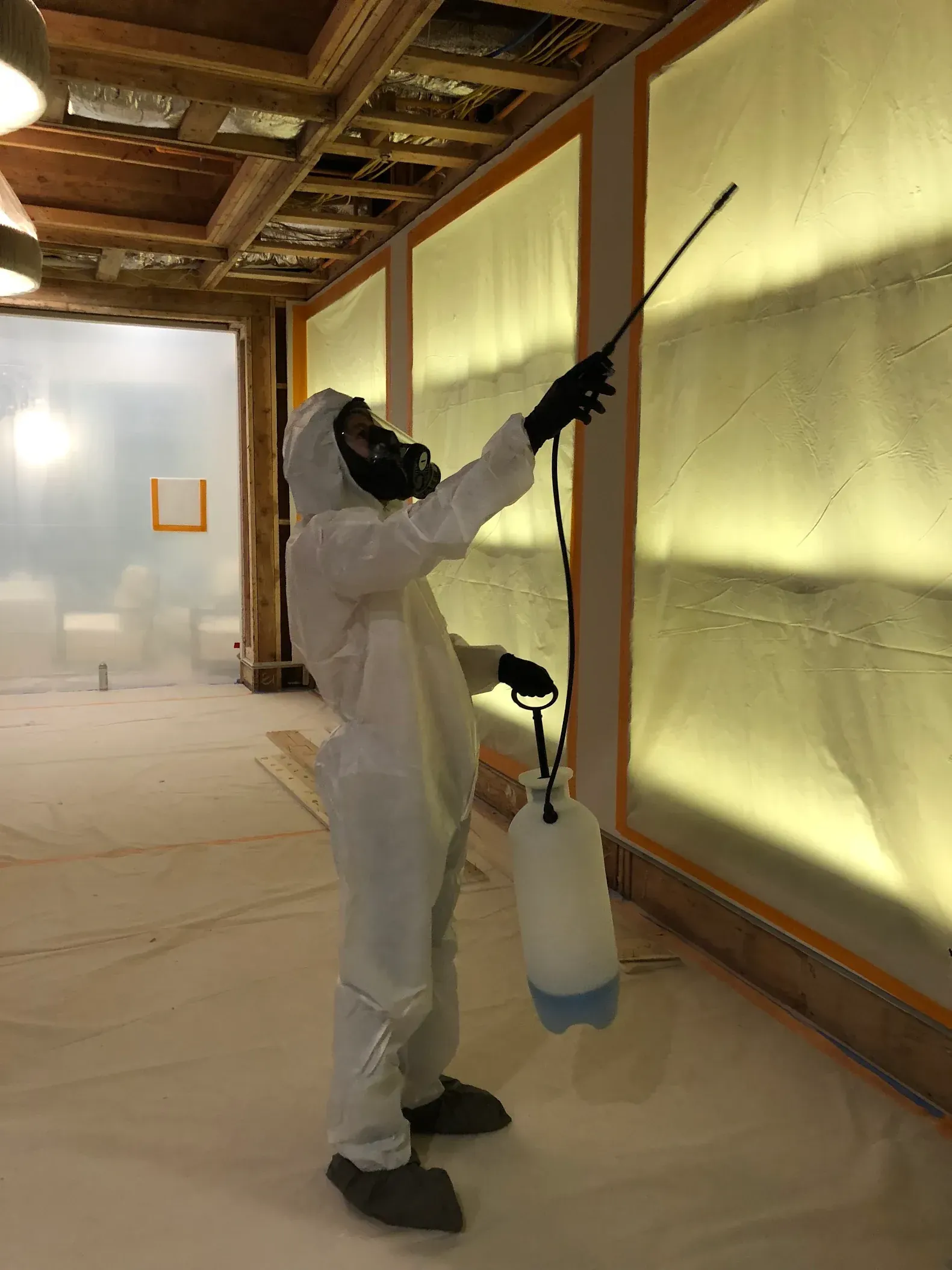
Wildomar Mold
Inspection
Visual Assessment & Lab-Certified Testing
Wildomar’s spread-out lots and family-oriented neighborhoods along the Mission Trail corridor mean more yard space, more landscaping, and more irrigation running near foundations. If something smells off, allergy-like symptoms increase indoors, or a past leak still has you guessing, a structured mold inspection answers the practical questions about your home.
Mold Inspection in Wildomar
In Wildomar, spread-out lots and an outdoor lifestyle translate to heavy landscaping and irrigation near slab perimeters—which can drive exterior wall moisture and closet wall staining that develops over months without any visible warning. Roof and window leaks after storms are another primary driver we see in the area. Our inspection process combines visual investigation + moisture screening + lab-certified sampling (when sampling will actually add clarity) to trace these issues back to their source.
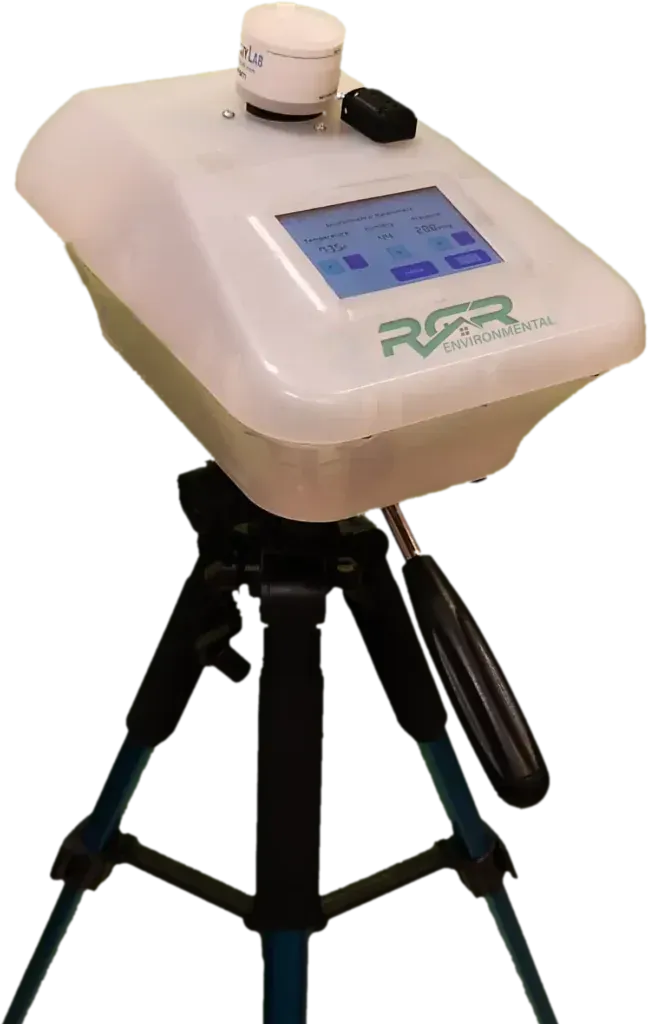
Using air cassette (spore-trap) sampling, wall cavity pulls, and surface methods, we evaluate airborne mold types and quantities, compare indoor patterns to an outdoor baseline, and help identify whether results suggest normal background levels versus a likely indoor source—valuable for homeowners and for renters who need documentation to support a request.
CERTIFIED & Recommended








Practical Questions for Wildomar Homeowners
Our process combines visual investigation + moisture screening + lab-certified sampling tailored to the conditions we encounter in Wildomar—irrigation-driven exterior wall moisture, closet staining along landscaped perimeters, and roof or window leaks that follow seasonal storms.
Is there evidence of water intrusion driving mold—from irrigation, storm leaks, or another source?
Where is it likely coming from (room air, wall cavity, HVAC, exterior wall)?
What types are present, and in what quantities?
What’s the most reasonable next step — cleanup, remediation, or verification?
Where Moisture Hides in Wildomar Homes
Wildomar's spread-out lots along the Mission Trail corridor create a rural-suburban mix with larger setbacks, irrigation-heavy landscaping, and homes that can sit unmonitored for longer stretches between visits. These conditions produce moisture pathways that differ from tighter suburban neighborhoods—and they often go unnoticed until symptoms or odors make them impossible to ignore.
Irrigation-driven exterior wall moisture
Landscape irrigation systems placed close to slab perimeters push moisture against foundations and lower wall assemblies. In Wildomar’s spread-out lots, irrigation lines can run alongside the house for extended stretches, creating sustained moisture exposure that doesn’t dry between cycles.
Closet wall staining along landscaped perimeters
Exterior walls behind closets and furniture along irrigated side yards develop slow moisture wicking through stucco. Because closets are rarely inspected, staining and early growth can develop for months unnoticed.
Roof and window storm leak pathways
Wildomar’s exposure to seasonal Santa Ana wind-driven rain can force water behind window flanges and through aging roof flashing, especially on south- and west-facing elevations that take the brunt of weather events.
Spread-out lot inspection challenges
Larger lots mean more exterior wall exposure, longer HVAC duct runs, and more distance between occupied areas and potential moisture sources like water heaters, exterior hose bibs, and irrigation valves.
Slab perimeter moisture migration
With many Wildomar homes on slab-on-grade foundations, ground moisture near irrigated landscaping wicks upward through slab edges, behind baseboards, and into wall cavities at floor level.
Extended HVAC runtime in warm weather
Wildomar’s inland heat means long AC runtime seasons. Supply ducts in unconditioned attic spaces develop condensation, and return air pulls household humidity through the system continuously.
What Our Wildomar Inspections Focus On
We tailor every inspection to Wildomar's specific layout challenges—exterior wall and irrigation zones, closet perimeters, HVAC duct runs across larger footprints, and areas that get less daily foot traffic. The goal is to find the moisture source, determine whether mold is present, and give you a clear path forward.
Exterior Wall & Irrigation Zones
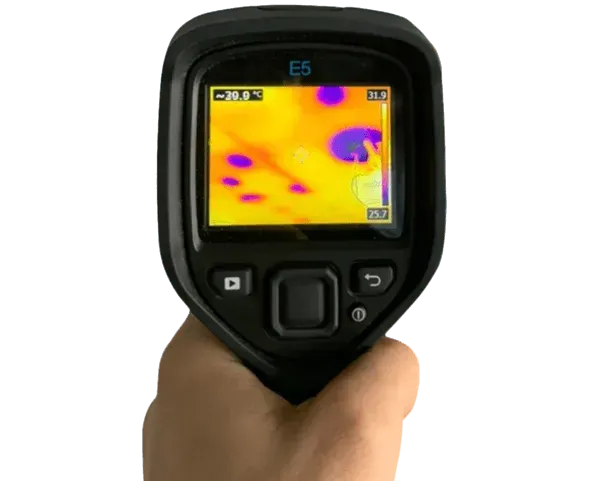
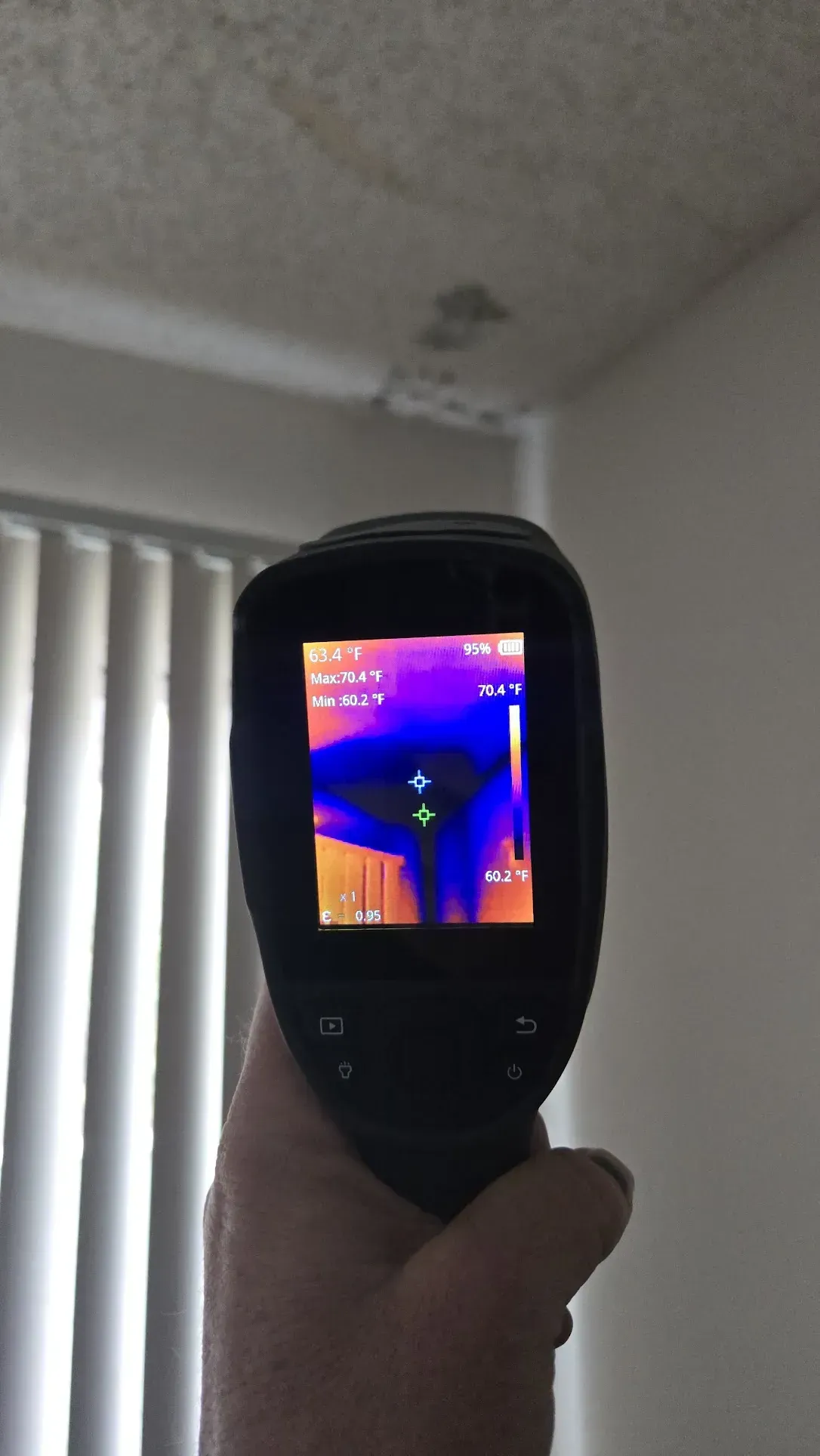
We check every accessible perimeter wall near irrigated landscaping, focusing on slab edges, lower drywall, baseboard seams, and closet walls along side yards. Thermal imaging helps flag moisture behind finishes that look normal from inside.
Air & Cavity Sampling Strategy
When visual evidence and moisture screening suggest a likely source, we use lab-certified air cassette sampling and/or wall cavity pulls to confirm what's happening behind drywall. Sampling locations are driven by inspection findings—not a one-size-fits-all formula.
Clear Report & Next Steps
Every finding is documented with photos, sampling rationale, and lab results in plain language. If remediation is needed, we provide S520-aligned scope guidance. If the findings are clean, we tell you that too.
Want to understand the full testing process—how air cassettes work, what wall cavity testing involves, or how we interpret lab results? See our complete inspection & testing process →
Schedule a Mold Inspection in Wildomar
Get Started Today
If your Wildomar home has a musty odor, visible spotting on exterior-facing walls or closets, storm-related water damage, or unexplained irritation indoors, we'll help you choose the right testing approach—air cassette sampling, wall cavity screening, HVAC testing, and/or surface confirmation—based on the real conditions in your home.
Understanding the Full Inspection Process
Our Wildomar inspections use the same lab-certified methods and interpretation frameworks we apply across every project: air cassette sampling, wall cavity pulls, HVAC evaluation, surface testing, and structured result interpretation aligned with the ANSI/IICRC S520 standard.
View the complete inspection & testing processWildomar Mold Inspection FAQs
Could my landscaping irrigation be causing mold inside?
It’s one of the most common moisture pathways we find in Wildomar. Irrigation running near slab perimeters can drive moisture through exterior walls and into closets or bedrooms over time—often without any obvious water stain on the inside. A targeted inspection with moisture screening can identify whether this is happening in your home.
How many air samples do I need?
Enough to answer the question without oversampling. Many projects include an outdoor baseline plus indoor samples in key concern areas. Larger Wildomar homes with multiple wings or zones may warrant additional targeted samples.
Should I do wall cavity testing or just air testing?
If the concern is "hidden mold" behind exterior walls—common in Wildomar homes where irrigation or storm leaks may have introduced moisture behind finishes—cavity testing can be the most direct way to evaluate a suspect wall rather than relying on general room air alone.
I’m renting in Wildomar. Can an inspection help me document the issue?
Yes. Every sample is sealed with chain-of-custody documentation and processed by an accredited lab. The report provides objective, third-party findings that can support a maintenance request, repair negotiation, or formal complaint.
Can HVAC testing tell me if my ducts "have mold"?
It can help determine whether the system is influencing distribution patterns and whether follow-up HVAC investigation makes sense—especially relevant in Wildomar where systems run for extended stretches in warm weather.
Wildomar Community Resources
Official city and community resources for Wildomar residents:
Nearby Service Areas
We also provide mold inspection in these nearby communities:
Air Quality
Procedure Outline
Core Steps
Free Initial Assessment
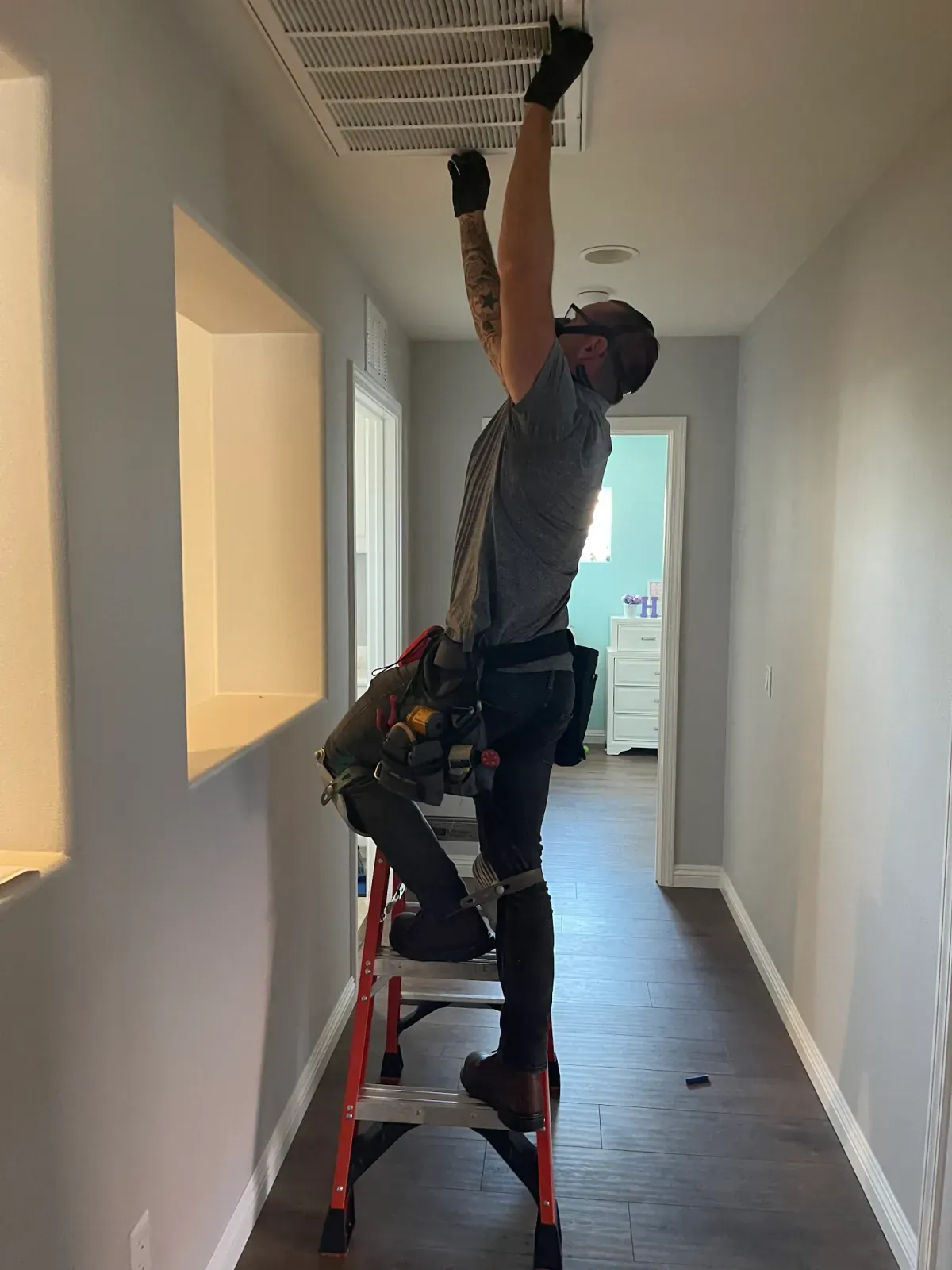
Begin with a complimentary on-site evaluation to understand the specific needs and concerns of the client. Our technician will conduct a visual inspection and discuss the potential issues with the homeowner.
Sampling of Indoor Air
Using state-of-the-art equipment, we'll collect samples from various zones in the property to gauge the indoor air contaminants, including mold spores, allergens, and other particulates.
Outdoor Referencing
To ensure accuracy in our results, we'll also take an outdoor air sample. This acts as a reference point and helps us identify anomalies in the indoor environment.
Detailed Lab Analysis
The collected samples are sent to our accredited laboratory. Here, they undergo a meticulous examination to determine the types and concentrations of pollutants.
Comprehensive Report
Once the lab analysis is complete, we'll prepare an in-depth report detailing our findings. This will include potential health risks, recommended corrective actions, and any other relevant insights.
Advice & Solutions
Based on our findings, we'll offer tailored solutions to rectify identified air quality issues. This may include mold remediation steps, ventilation improvements, or moisture control methods to ensure a healthier living environment.
Mold & Indoor
Air QualityBy the numbers
Indoor Air Pollution
Time Indoors
Asthma & Dampness/Mold
Homes With Dampness/Mold Indicators
Most people spend about 90% of their time indoors, which means indoor air quality matters more than we realize. The EPA notes that some indoor pollutants can be 2–5× higher than outdoors (and in certain situations, far higher). In Wildomar, where spread-out lots mean more landscaping and irrigation near foundations, and where roof and window leaks after storms are a primary moisture driver, issues can develop behind exterior walls or in closets without producing visible mold.
If your Wildomar home has experienced water damage, irrigation-related moisture concerns, or unexplained musty smells, a targeted inspection and testing engagement can identify the source and guide your next step.
Sources: U.S. EPA; Mudarri & Fisk (Indoor Air); LBNL Indoor Air Quality Research
Mold & Indoor
Air QualityBy the numbers
Indoor Air Pollution
Time Indoors
Asthma & Dampness/Mold
Homes With Dampness/Mold Indicators
Sources: U.S. EPA; Mudarri & Fisk (Indoor Air); LBNL Indoor Air Quality Research
Most people spend about 90% of their time indoors, which means indoor air quality matters more than we realize. The EPA notes that some indoor pollutants can be 2–5× higher than outdoors (and in certain situations, far higher). In Wildomar, where spread-out lots mean more landscaping and irrigation near foundations, and where roof and window leaks after storms are a primary moisture driver, issues can develop behind exterior walls or in closets without producing visible mold.
If your Wildomar home has experienced water damage, irrigation-related moisture concerns, or unexplained musty smells, a targeted inspection and testing engagement can identify the source and guide your next step.
Related Services
Inspection is the first step. Depending on findings, you may need testing, remediation, or air quality analysis for your Wildomar property.
All Services in Wildomar
View all mold inspection, testing, and remediation services available for your Wildomar property.
Mold Remediation in Wildomar
Professional containment, removal, and restoration when inspection reveals mold growth.
Air Quality Testing
Spore trap and air cassette sampling to measure airborne mold levels in your home.
Water Damage in Wildomar
Emergency water damage restoration, professional dry-outs, and sewage cleanup for Wildomar properties.