

Structural Drying &
Dehumidification
Professional Water Damage Dry-Outs
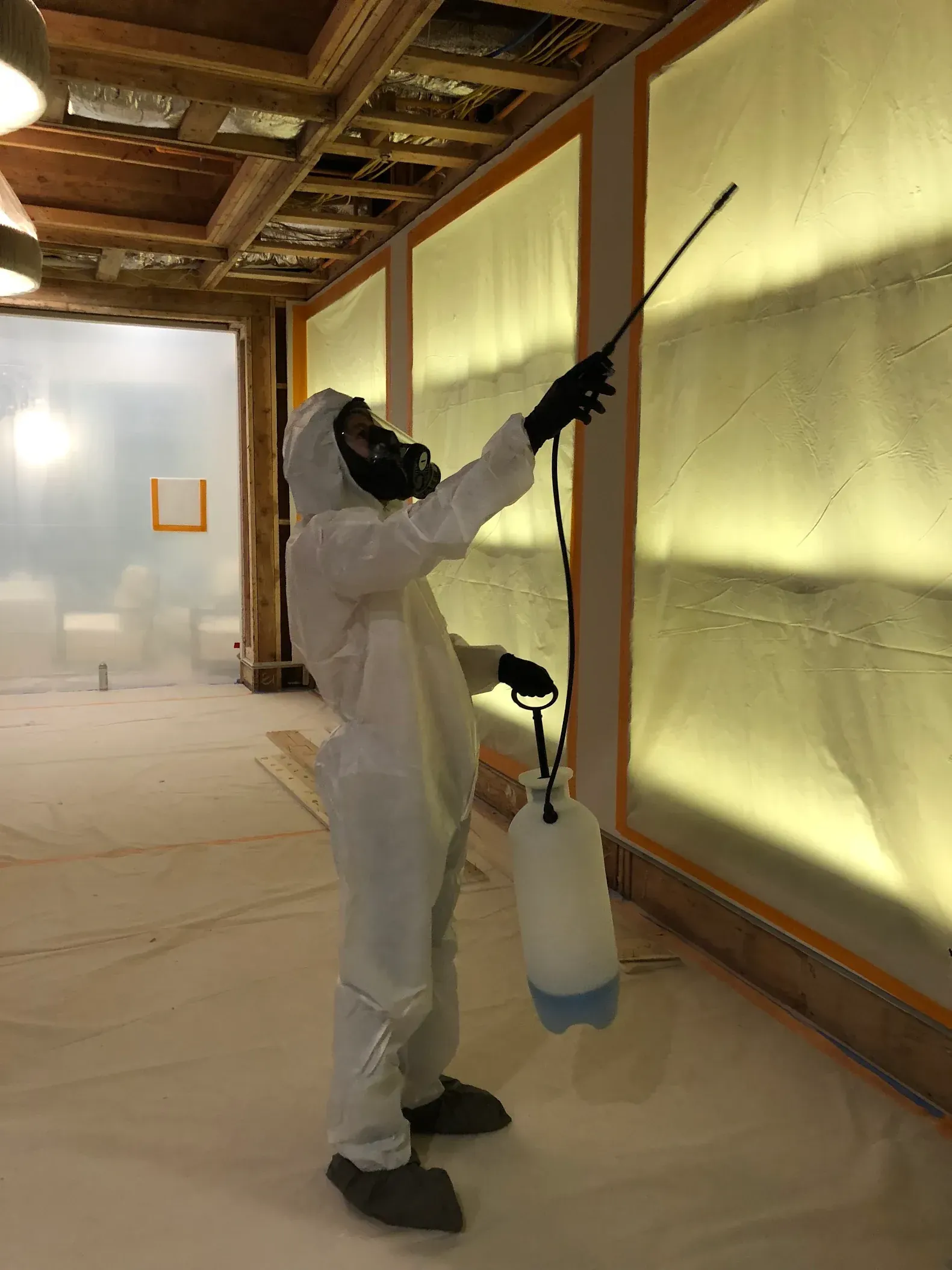
Proper drying isn’t just running fans in a room. It’s a system — moisture mapping, controlled airflow, calibrated dehumidification, and daily verification until materials reach dry standards.
Structural Drying & Dehumidification
After water extraction, the real work begins. Wet materials inside walls, under floors, and behind cabinets won't dry on their own — and they won't dry right with just fans. Structural drying uses targeted airflow, calibrated dehumidification, and daily moisture monitoring to bring materials back to dry standards in a controlled way.
CDC guidance stresses drying within 24–48 hours when possible to reduce mold growth risk. We track every reading, adjust equipment daily, and provide full documentation for your insurance file. We bill your carrier directly.
CERTIFIED & Recommended





Why Professional Drying Matters
The difference between proper drying and “just running fans” is the difference between a resolved water loss and secondary damage.
Hidden Moisture
Water travels. It wicks up drywall, soaks into subfloor, and settles in wall cavities. Without moisture mapping, these hidden wet areas are missed and continue to cause damage.
Mold Prevention
Materials that stay wet beyond 24–48 hours are at significantly higher risk for mold growth. Proper drying is the single most effective way to prevent secondary microbial damage.
Material Preservation
Controlled drying can often save materials that would otherwise need replacement — hardwood floors, subfloor, framing, and cabinetry that can be restored when dried correctly.
Insurance Documentation
Daily moisture readings, humidity logs, and equipment records provide the documentation your insurance carrier needs to process and approve the claim.
How We Dry Your Property
Moisture mapping
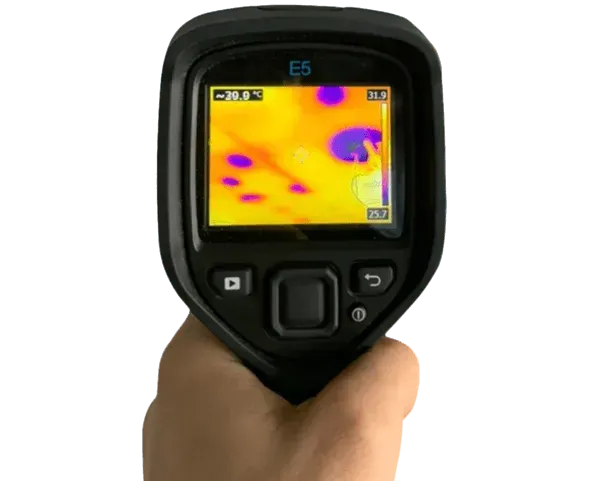
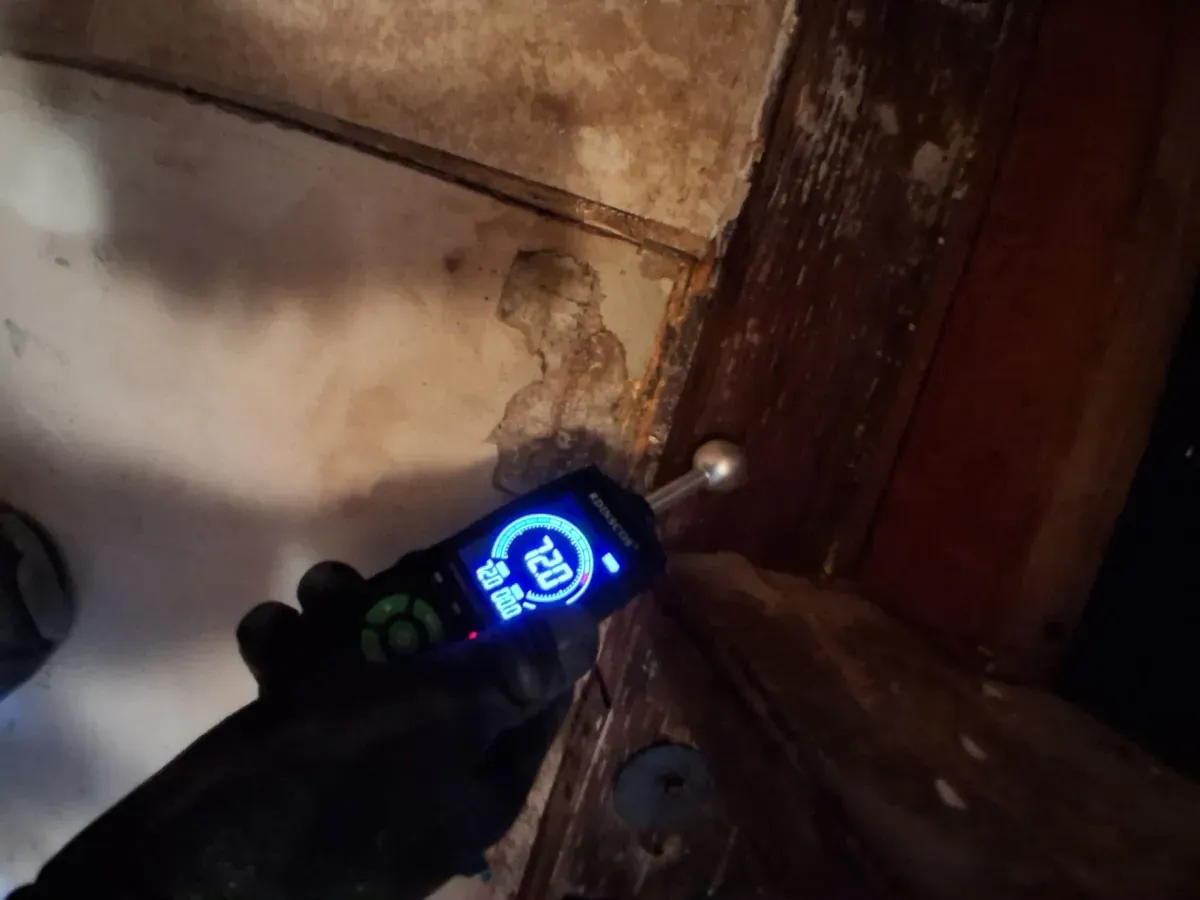
We use moisture meters and thermal imaging to identify every affected area — including what’s hidden inside walls, under floors, and behind cabinets. This map drives the entire drying plan.
Equipment placement
Air movers and dehumidifiers are placed strategically based on the loss conditions, material types, and affected square footage. This isn’t guesswork — it’s calculated for the specific space.
Daily monitoring and adjustment
We return daily to take moisture readings, check humidity and temperature, and adjust equipment as materials respond. Drying isn’t set-and-forget — it requires active management.
Dry standard verification
Drying continues until all affected materials reach established dry standards. We don’t pull equipment based on a calendar — we pull it when the readings confirm the job is done.
Final documentation
Complete drying records — daily logs, before-and-after readings, photos, and equipment notes — are compiled for your insurance file and property records.
Professional Drying Equipment

Air Movers
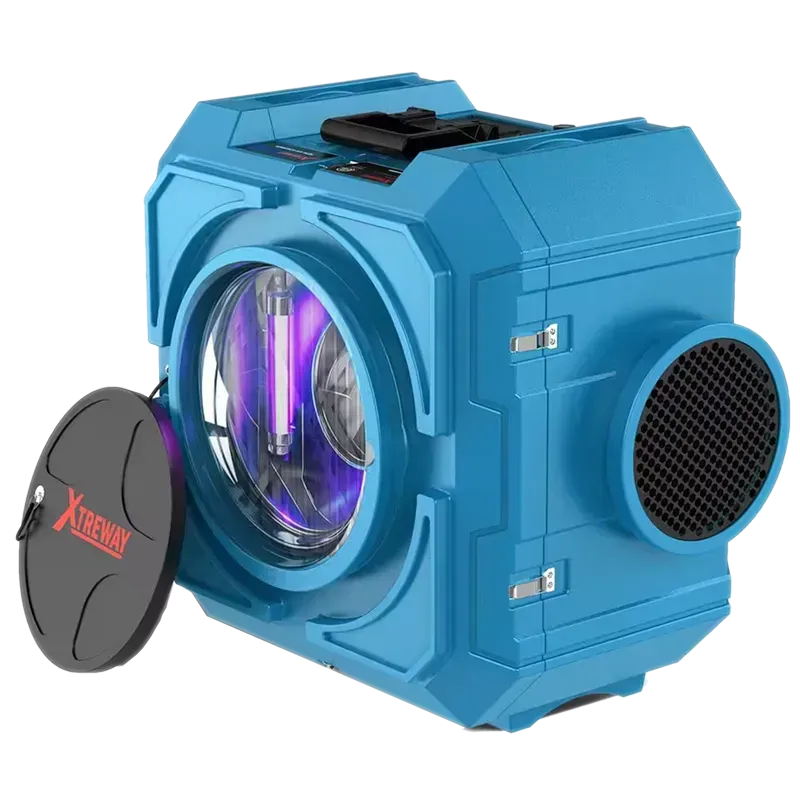
High-velocity air movers positioned to create targeted airflow across wet surfaces, accelerating evaporation from walls, floors, and cavities.
Dehumidifiers
Commercial-grade dehumidifiers remove moisture from the air, preventing it from reabsorbing into materials. Without dehumidification, fans just move humid air around.
Moisture Meters & Thermal Imaging
Pin-type and non-invasive meters measure material moisture content. Thermal imaging identifies temperature differentials that indicate hidden moisture behind walls and under floors.
Why Fans Alone Don't Work
After a water loss, many homeowners set up household fans and hope for the best. Here's why that approach often fails:
- Fans don’t address moisture inside walls, under floors, or behind cabinets
- Without dehumidification, humidity stays high and materials don’t dry properly
- In contaminated water scenarios, fans can spread contaminants to clean areas
- No moisture monitoring means no way to know when materials are actually dry
- Insurance claims require documented professional drying with daily readings
Professional drying uses calibrated equipment, daily moisture tracking, and documented verification to bring materials to dry standards. It's the difference between hoping materials dry and knowing they have.
Structural Drying Done Right
Don’t Let Water Damage Become Mold Damage
Proper drying is the most effective way to prevent secondary damage after a water loss. We handle extraction, drying, monitoring, and documentation — and bill your insurance company directly.
Frequently Asked Questions
How long does structural drying take?
Most residential water losses take 3–5 days of active drying, but it depends on the materials, scope, and conditions. We don’t pull equipment on a calendar — we pull it when moisture readings confirm dry standards are met.
Can I use my own fans instead of professional equipment?
Household fans can help with surface evaporation in minor situations, but they can’t address moisture inside walls, under floors, or in cavities. Without dehumidification and monitoring, you won’t know if materials are actually drying — and insurance carriers require documented professional drying.
Do I need to leave my home during drying?
Usually not. The equipment generates noise and some airflow, but most families stay in the home during the drying process. We’ll let you know if the scope or location of equipment makes temporary relocation advisable.
Does insurance cover structural drying?
Most homeowner’s policies cover water damage restoration including professional drying when the cause is sudden and accidental (burst pipe, appliance leak, etc.). We bill your insurance company directly and provide all the documentation they need.
Related Water Damage Services
Structural drying is one part of the water damage restoration process.
Related Services
Water damage restoration connects to broader property protection. Explore our related services.
Water Damage Restoration
Complete water damage restoration including emergency response, extraction, drying, and insurance documentation.
Mold Inspection
If water damage has been present for an extended period, inspection can identify secondary mold concerns.
Moisture Mapping & Infrared
Visual assessment, infrared screening, and moisture meter verification to identify hidden moisture pathways.