

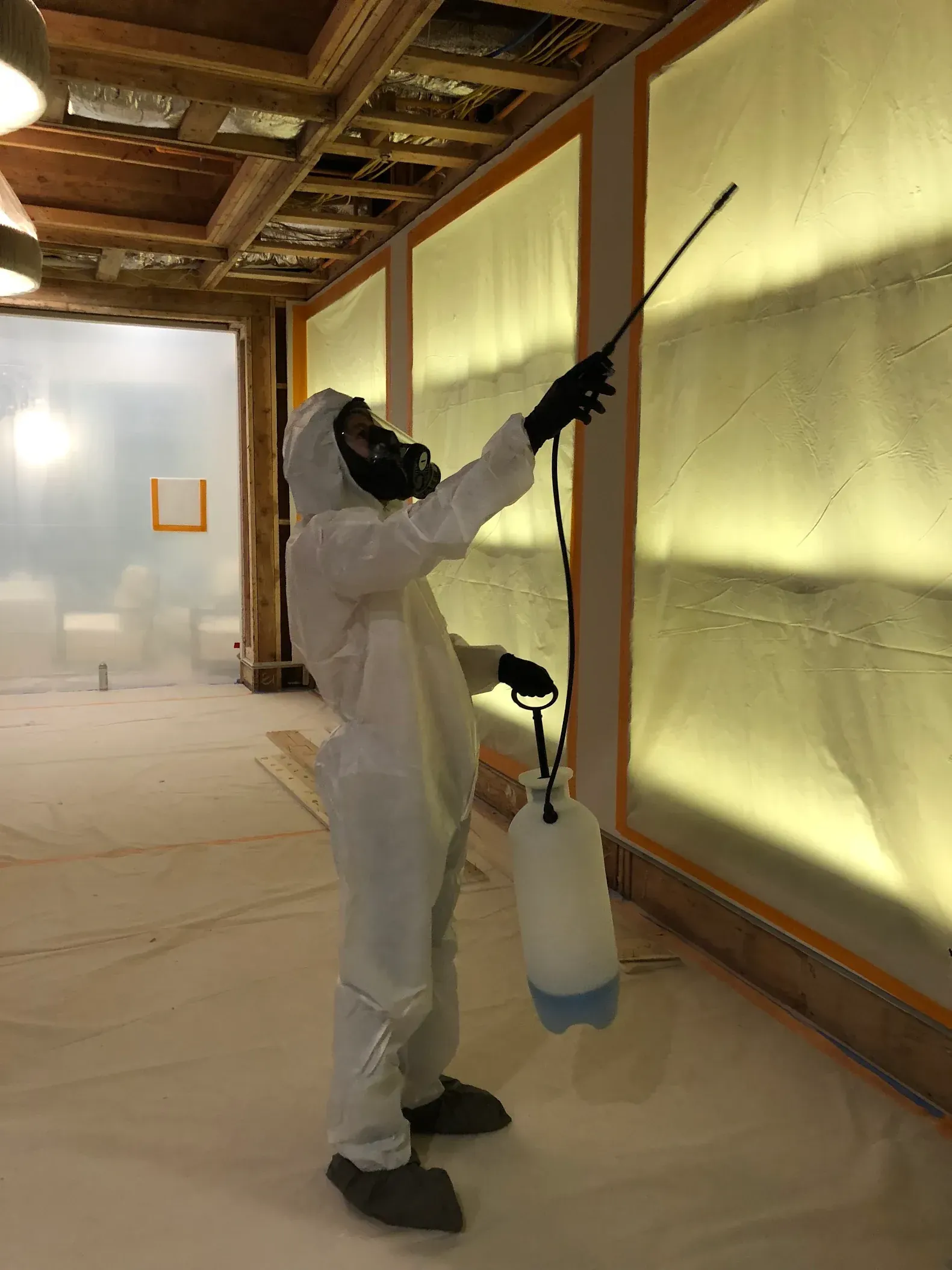
Mold Inspection &
Moisture Mapping
Visual + Infrared Screening + Moisture Meter Verification
Sampling is only part of the story. Most mold problems are moisture problems first. A strong inspection focuses on identifying where water is getting in, where it’s staying trapped, and what materials are impacted.
Inspection & Moisture Mapping
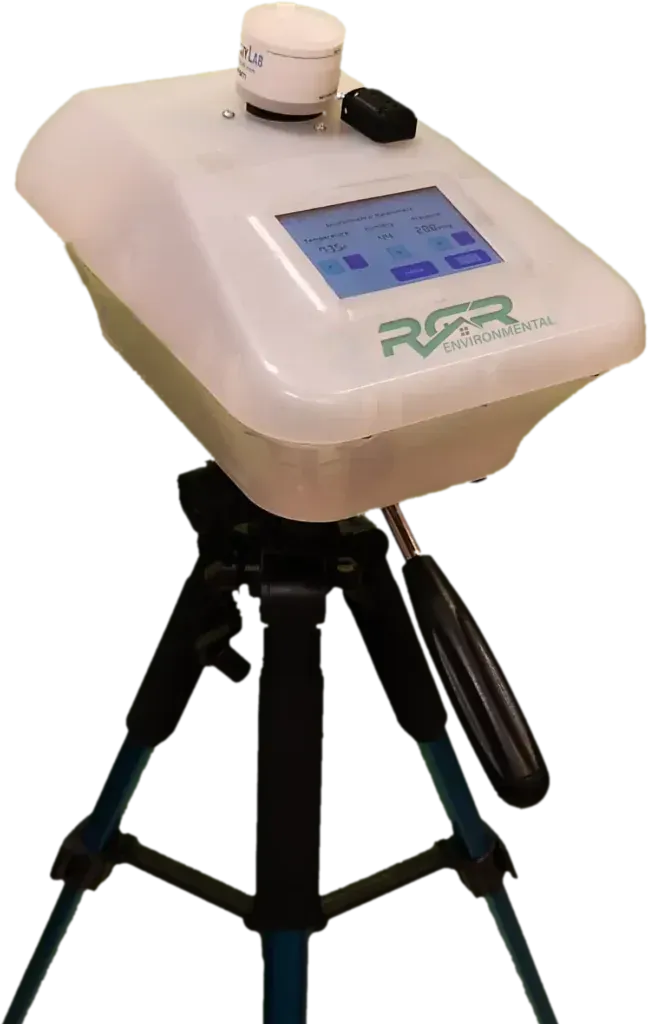
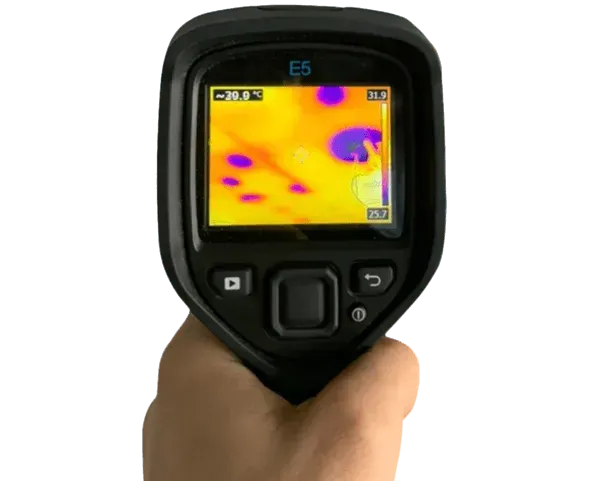
Our inspection combines visual assessment, infrared thermal screening, and moisture meter verification to build a clear picture of what's happening in your home. The goal is to identify the moisture pathway—not just confirm mold exists.
IICRC publishes ANSI-accredited standards that emphasize best practices for restoration and mold-related work. NIOSH also provides the Dampness and Mold Assessment Tool (DMAT), grounded in visual/odor evidence of dampness and mold indicators.
CERTIFIED & Recommended







What This Inspection Is Designed to Do
Identify Moisture Intrusion
Active or historical moisture pathways—leaks, seepage, condensation, drainage failures—that create conditions for mold growth.
Narrow Concealed Issues
Determine where hidden problems may exist behind finishes, in cavities, or within building assemblies using non-invasive screening tools.
Support a Remediation Plan
Provide the information needed for a remediation plan that addresses the real driver—not just the visible symptoms.
Infrared: A Screening Tool, Not a Verdict
Thermal Imaging for Moisture Anomaly Detection
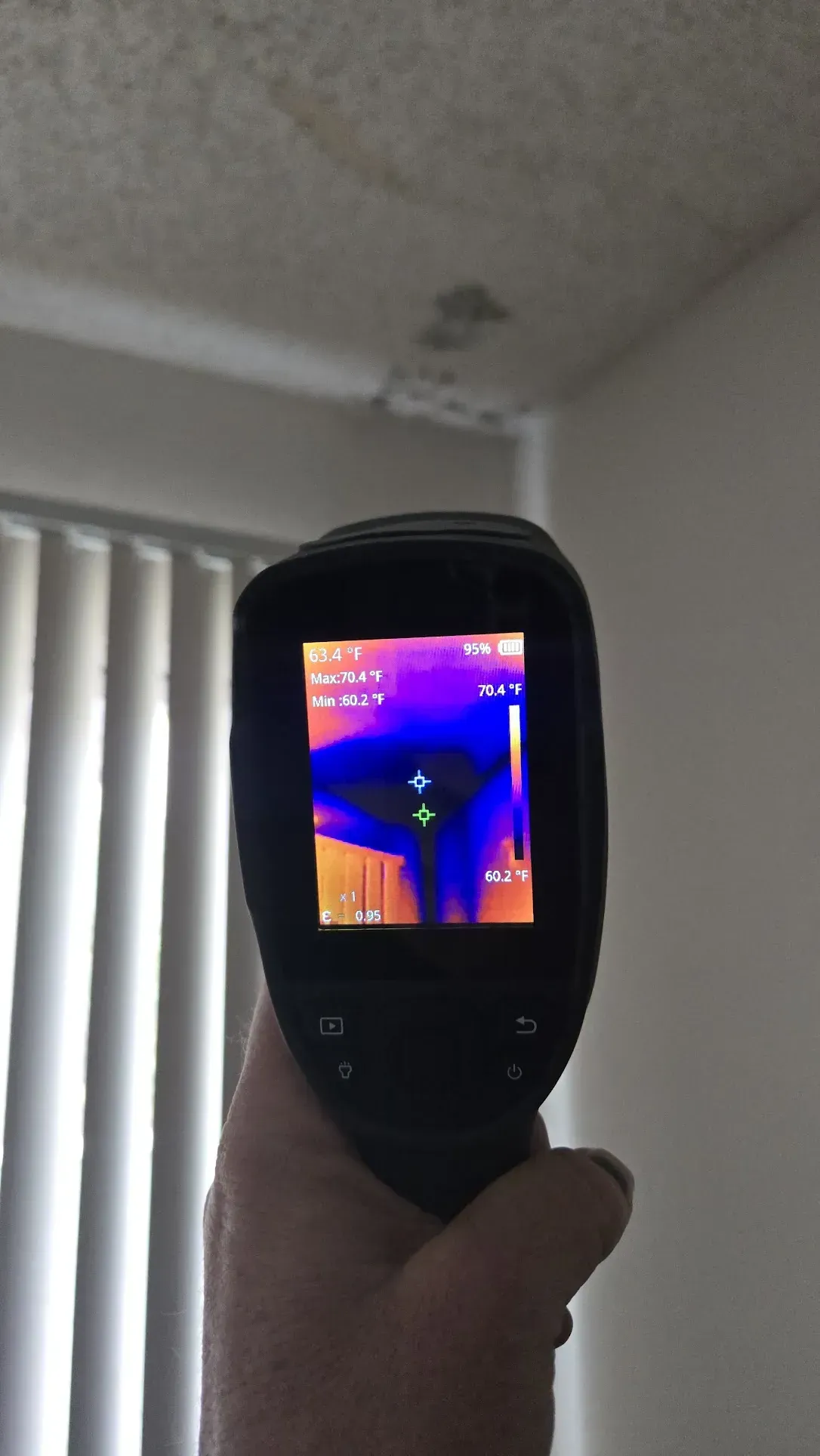
Infrared helps us see temperature patterns that can suggest moisture, missing insulation, or air movement. But thermal patterns must be verified with a moisture meter before conclusions are made.
What Infrared Can Help Identify
- Temperature anomalies suggesting moisture behind finishes
- Missing or displaced insulation affecting wall performance
- Air infiltration patterns around windows, doors, or penetrations
- HVAC-related temperature differences that may contribute to condensation
What Infrared Cannot Do
- ×Detect mold directly—it shows temperature, not biology
- ×Confirm moisture without meter verification—cold spots have multiple causes
- ×See through all materials equally—surface emissivity and conditions affect readings
- ×Provide a "pass/fail" result—interpretation requires context
Moisture Meter Verification
Why It Matters
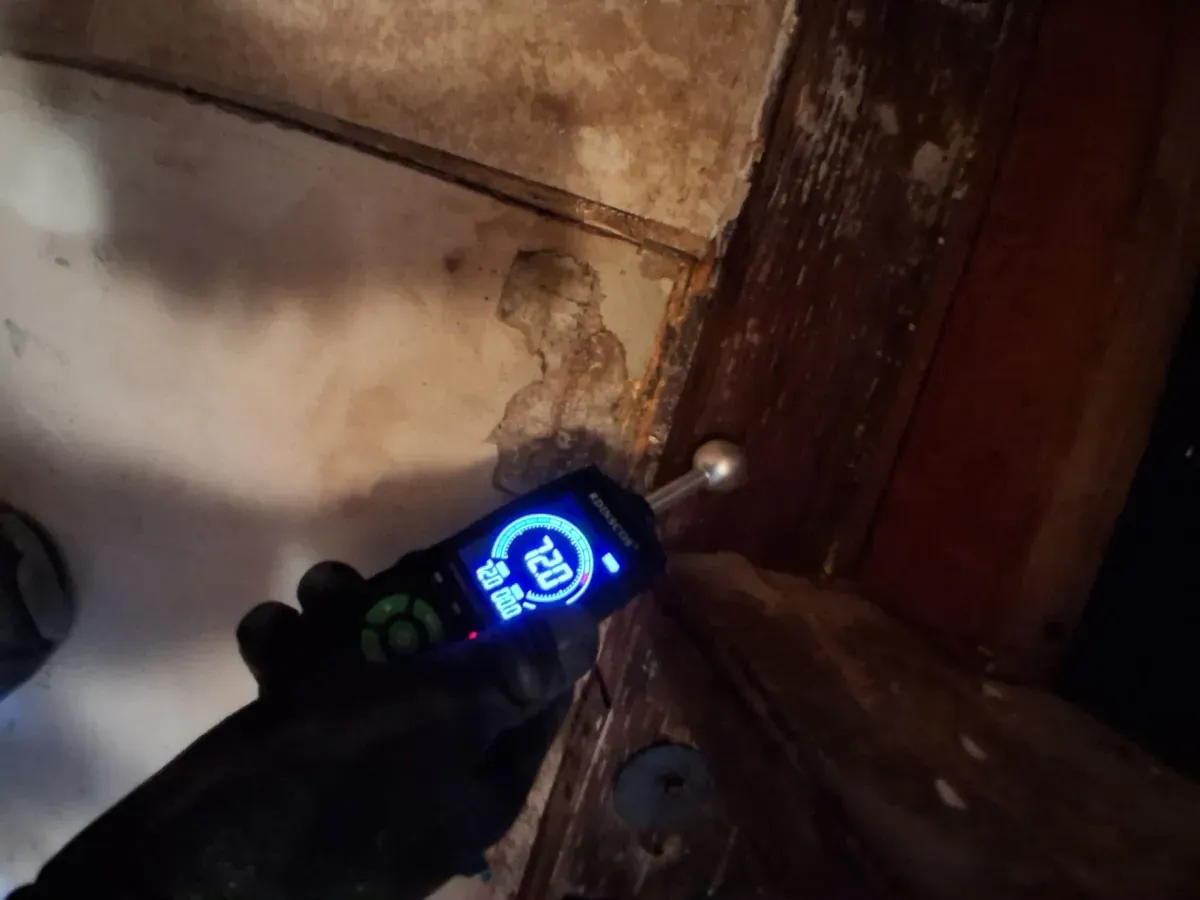
Moisture meters help confirm whether materials are elevated relative to surrounding areas and whether the condition is consistent with a current moisture pathway. This verification step is what turns a thermal anomaly into an actionable finding.
Comparative Readings
We compare readings across adjacent areas and materials to identify patterns—not just isolated numbers.
Material-Specific Context
Different materials have different baseline moisture levels. Drywall, wood framing, and concrete all read differently—interpretation accounts for this.
Pathway Identification
By mapping moisture patterns across a wall or room, we can trace the likely pathway—where water entered, where it traveled, and what it affected.
Schedule a Mold Inspection
Get Started Today
If you're dealing with a musty odor, visible staining, past water damage, or unexplained moisture—a professional inspection identifies the source and guides the right response, whether that's targeted repair, further testing, or remediation.
What You Receive
Frequently Asked Questions
Can infrared detect mold directly?
No. Infrared detects temperature differences that can suggest moisture, missing insulation, or air movement—but it cannot see mold. It’s a screening tool that helps us identify areas warranting further investigation with a moisture meter or sampling.
Do I need sampling if the inspection finds visible mold?
Not always. If visible growth is clearly present and the moisture source is identified, the priority is moisture correction and remediation. Sampling adds value when the extent is uncertain, when you need documentation, or when the situation involves a dispute or insurance claim.
What’s the difference between a moisture meter reading and a moisture problem?
A single elevated reading may or may not indicate a problem—context matters. We compare readings across surrounding areas and materials, look at patterns, and consider building history. An isolated high reading near a shower valve tells a different story than a consistent pattern across an entire wall.
How long does a typical inspection take?
It depends on the size of the home and the complexity of the concern. A focused assessment of one or two areas may be straightforward, while a whole-home evaluation for a real estate transaction or multi-area odor complaint requires more time. We’ll discuss scope during your initial consultation.
When Sampling Follows Inspection
Inspection identifies the moisture pathway. When additional data is needed to define scope, document conditions, or evaluate concealed areas, targeted sampling builds on the inspection findings.
Related Services
Inspection is the foundation. Depending on findings, you may need testing, remediation, or water damage response.
Mold Testing
Lab-certified sampling methods to confirm mold types and concentrations found during inspection.
Mold Remediation
Professional containment, removal, and restoration when inspection reveals mold growth.
Water Damage Restoration
Emergency water extraction, structural drying, and moisture management when water damage is active.