

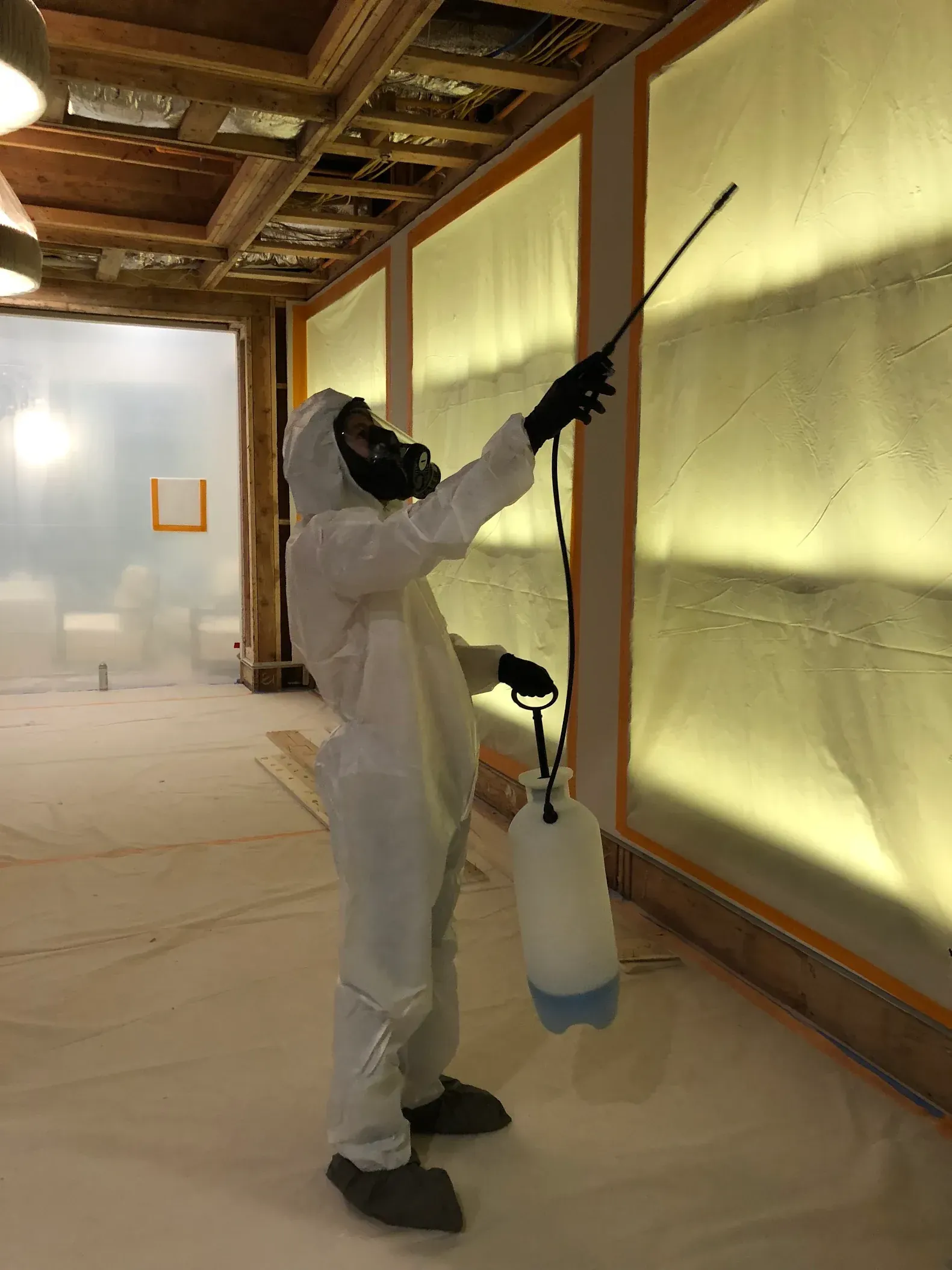
Canyon Lake Mold
Inspection
Inspection & Lab-Certified Testing for Canyon Lake Homes
Canyon Lake’s gated, lake-centered community brings a lifestyle that includes boats, stored gear, active households, and proximity to water—all of which contribute to unique moisture conditions. When your home has an unexplained musty odor, allergy-like symptoms that ease outdoors, or unresolved water damage, a targeted inspection answers the practical questions about what’s happening and why.
Mold Inspection in Canyon Lake
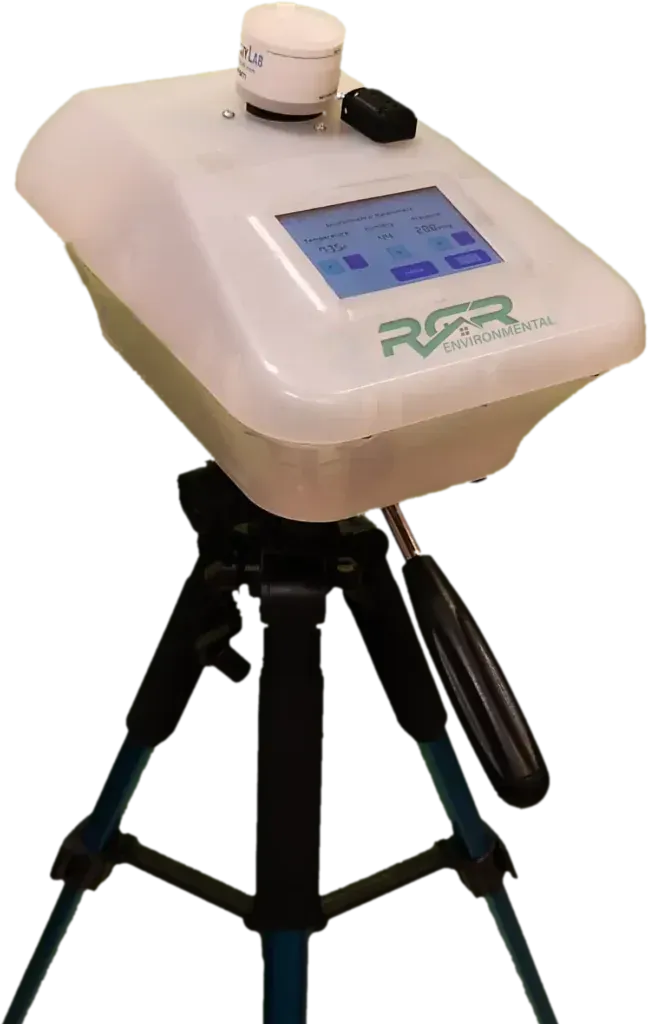
Our process combines visual investigation + moisture screening + lab-certified sampling (when sampling will actually add clarity). Canyon Lake's lake lifestyle introduces moisture sources that differ from typical inland properties: stored damp gear and boats in garages, bathroom humidity from busy households, and ambient humidity influenced by the lake itself. We account for all of these during the inspection.
That's where air quality testing and targeted sampling come into play. Using lab-certified air cassette (spore-trap) sampling, we evaluate airborne mold types and quantities and compare indoor patterns to an outdoor baseline—which is especially important in a lakeside community where ambient conditions near the water can differ from standard inland reference points.
CERTIFIED & Recommended







Practical Questions for Canyon Lake Homeowners
Our process combines visual investigation + moisture screening + lab-certified sampling (when sampling will actually add clarity). In Canyon Lake's gated community, where lake recreation, stored equipment, and busy households create overlapping moisture sources, the right inspection plan addresses the specific conditions your home faces.
Is there evidence of indoor water intrusion or moisture buildup leading towards a mold source?
Where is it likely coming from — room air, wall cavity, garage, HVAC, or stored gear areas?
What types are present, and in what quantities compared to the lakeside outdoor baseline?
What’s the most reasonable next step — cleanup, remediation, or verification?
Where Moisture Hides in Canyon Lake Homes
Canyon Lake's gated, lake-centered community creates a lifestyle that directly influences indoor moisture conditions. Active households with boats, watercraft, and stored gear generate moisture loads that most inland homes never see. Lakeside ambient humidity elevates baseline conditions year-round. Busy families produce substantial bathroom and kitchen humidity. And garages that serve double duty as watercraft and equipment storage become moisture reservoirs that affect the rest of the home.
Stored damp boats and watercraft gear
Canyon Lake residents frequently store boats, jet skis, wakeboards, life jackets, and towlines in attached garages. Damp gear brought in after lake use introduces significant moisture into enclosed spaces, especially when garage ventilation is limited.
Lakeside ambient humidity
Properties closest to Canyon Lake’s shoreline experience consistently higher ambient humidity than inland neighborhoods. Overnight condensation on windows, garage walls, and exterior surfaces is more frequent, and HVAC systems work harder to manage indoor moisture levels.
Busy household bathroom humidity
Active Canyon Lake families—often with children and frequent guests during lake season—generate substantial bathroom humidity from multiple daily showers, wet towels, and swimwear drying indoors. Bathroom exhaust fans in many homes can’t keep pace with peak usage.
Garage-adjacent wall moisture migration
When garages accumulate moisture from stored gear, lake-damp vehicles, or temperature cycling, that humidity migrates through shared walls into adjacent living spaces—bedrooms, hallways, and utility rooms that share a common wall with the garage.
Aging plumbing connections
Many Canyon Lake homes were built during a concentrated development period. As these homes age together, plumbing components—supply lines, wax rings, shut-off valves, and water heater connections—approach failure at similar timelines across the community.
Lake-influenced outdoor baseline for sampling
Canyon Lake’s proximity to the lake affects outdoor spore profiles and humidity levels. When we collect outdoor baseline samples for comparison, we account for the lake’s influence on ambient conditions so indoor results are interpreted in proper context.
What Our Canyon Lake Inspections Focus On
Every Canyon Lake inspection is tailored to the unique conditions of this community. We focus on garage and storage moisture from lake gear, high-use bathrooms generating sustained humidity, shared garage-to-living-space walls where moisture migrates unseen, and accounting for the lake's influence on outdoor baseline conditions when interpreting sampling results.
Garage & Storage Zone Assessment
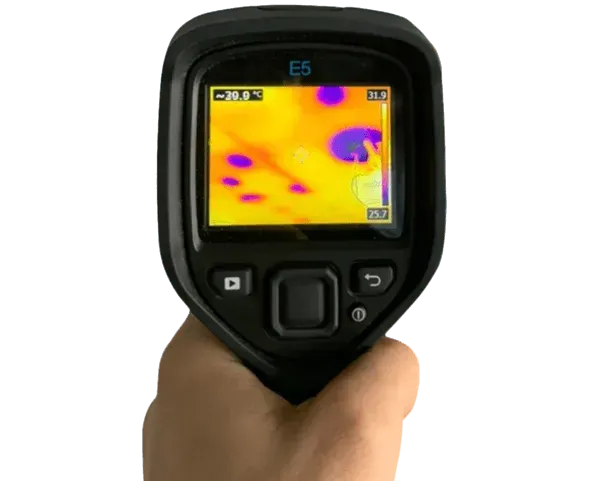
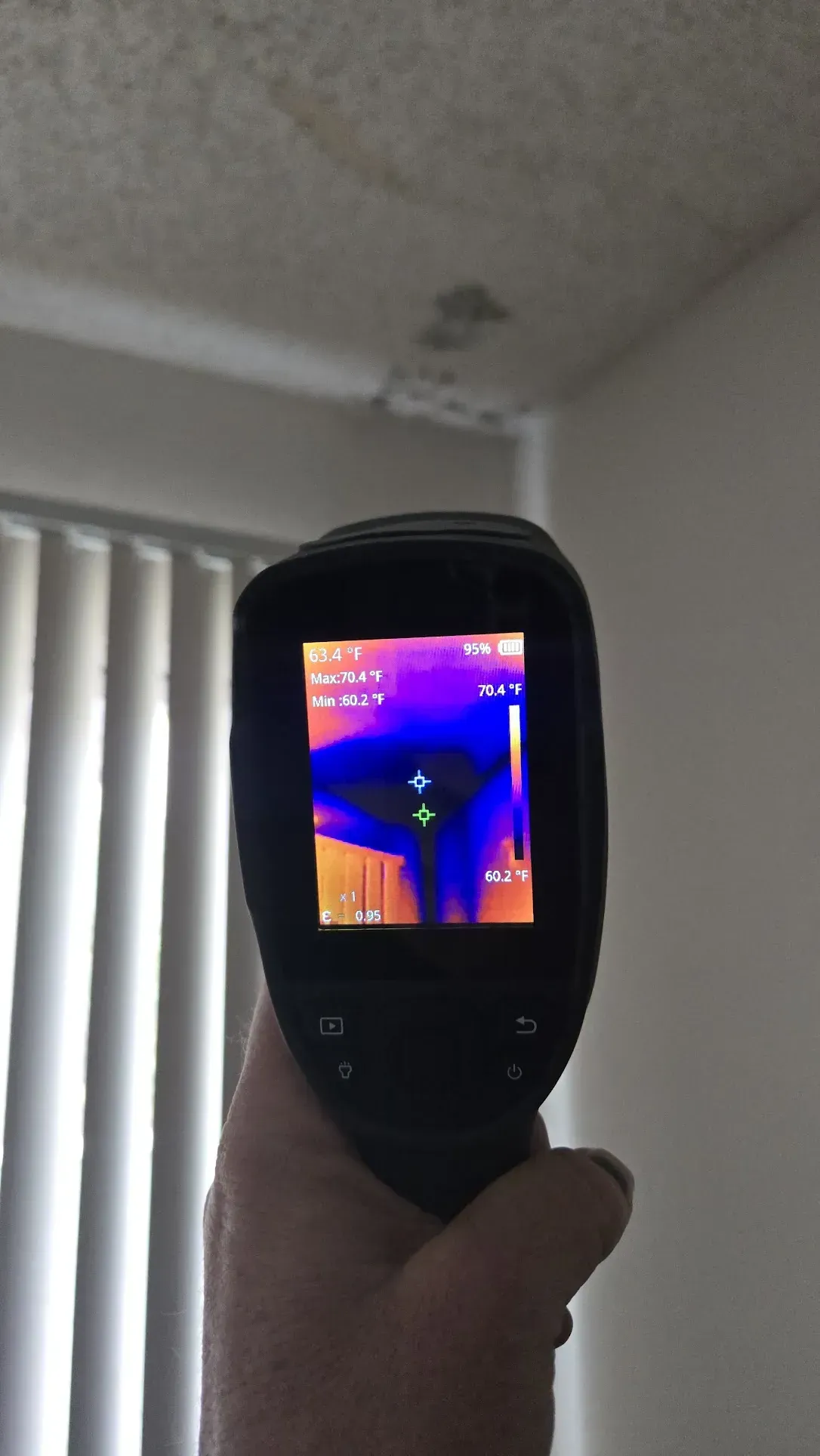
We inspect garages for moisture from stored watercraft, gear, and lake-damp vehicles, and check shared walls between garages and living spaces for moisture migration. Thermal imaging helps identify hidden dampness behind finished surfaces.
Air & Cavity Sampling Strategy
When visual evidence and moisture screening suggest a likely source, we use lab-certified air cassette sampling and/or wall cavity pulls to confirm what's happening behind drywall. Outdoor baselines account for Canyon Lake's lake-influenced ambient conditions.
Clear Report & Next Steps
Every finding is documented with photos, sampling rationale, and lab results in plain language. If remediation is needed, we provide S520-aligned scope guidance. If the findings are clean, we tell you that too.
Want to understand the full testing process—how air cassettes work, what wall cavity testing involves, or how we interpret lab results? See our complete inspection & testing process →
Schedule a Mold Inspection in Canyon Lake
Get Started Today
If your Canyon Lake home has a musty odor, recent water damage, visible spotting, or unexplained irritation indoors, we'll help you choose the right testing approach—air cassette sampling, wall cavity screening, HVAC testing, and/or surface confirmation—based on the real conditions in your lakeside home.
Understanding the Full Inspection Process
Our Canyon Lake inspections use the same lab-certified methods and interpretation frameworks we apply across every project: air cassette sampling, wall cavity pulls, HVAC evaluation, surface testing, and structured result interpretation aligned with the ANSI/IICRC S520 standard.
View the complete inspection & testing processCanyon Lake Mold Inspection FAQ
How many air samples do I need for my Canyon Lake home?
Enough to answer the question without oversampling. Most Canyon Lake inspections include an outdoor baseline near the lake plus indoor samples in key concern areas. Larger homes or multi-zone complaints may warrant additional targeted samples. The lakeside outdoor baseline is especially important because ambient conditions near the water can differ from typical inland reference points.
Should I do wall cavity testing or just air testing?
If the concern is "hidden mold" behind walls—whether from a past plumbing leak, bathroom humidity in a busy household, or moisture migrating from an attached garage where gear is stored—cavity testing can be the most direct way to evaluate a suspect area rather than relying on general room air alone.
Does living near the lake make my home more prone to mold?
Proximity to the lake means higher ambient humidity, which can influence baseline moisture levels inside the home. Combined with stored damp boats and gear in garages, bathroom humidity from active households, and typical HVAC cycling, Canyon Lake homes can develop conditions that favor mold growth if moisture isn’t managed. A proper inspection accounts for all of these factors.
Can HVAC testing tell me if my ducts "have mold"?
It can help determine whether the system is influencing distribution patterns—particularly relevant in Canyon Lake homes where garage or storage area contaminants may be pulled into the return side—and whether follow-up HVAC investigation makes sense.
Canyon Lake Community Resources
Official city and community resources for Canyon Lake residents:
Nearby Service Areas
We also provide mold inspection in these nearby communities:
Air Quality
Procedure Outline
Core Steps
Free Initial Assessment
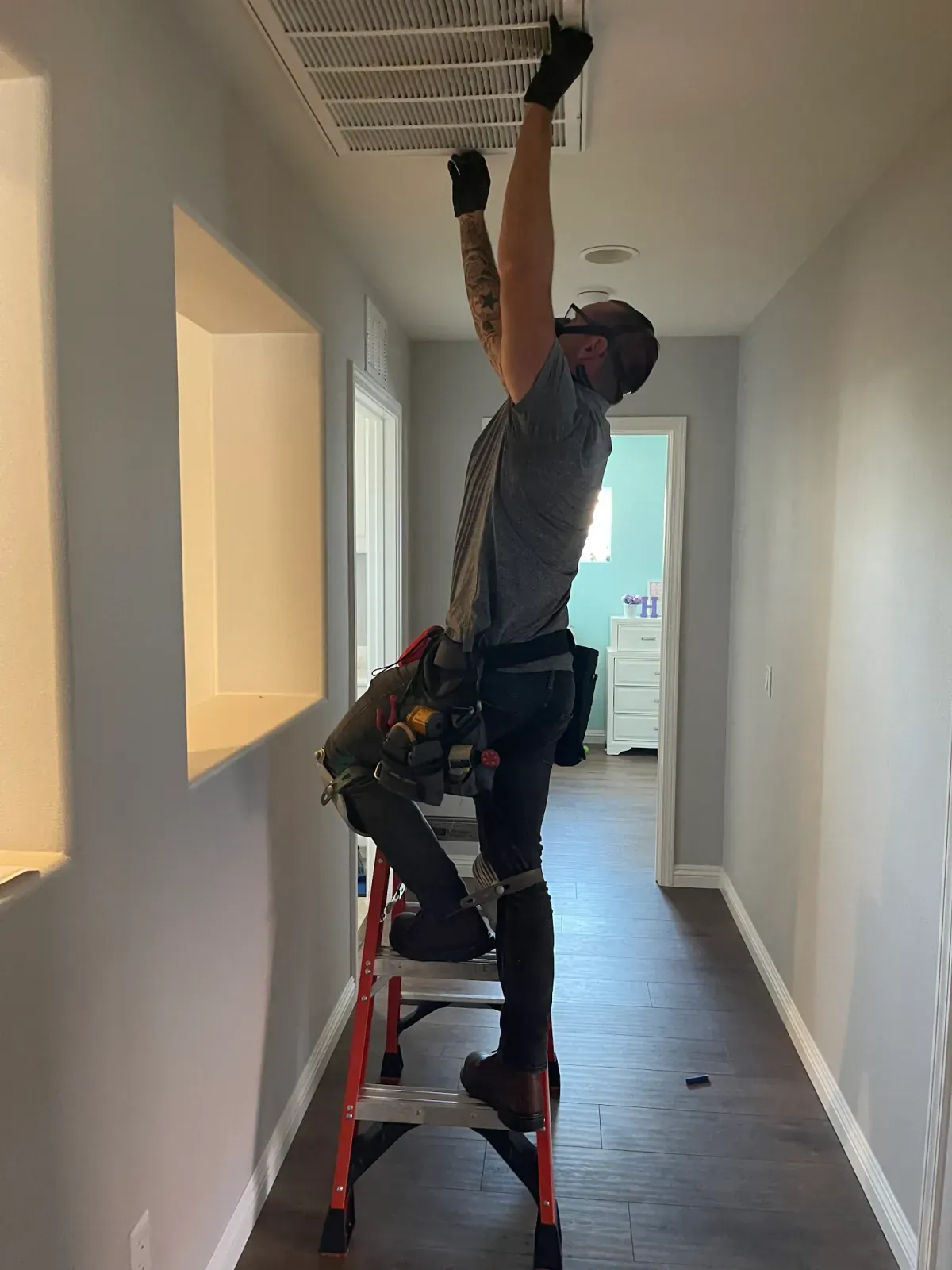
Begin with a complimentary on-site evaluation to understand the specific needs and concerns of the client. Our technician will conduct a visual inspection and discuss the potential issues with the homeowner.
Sampling of Indoor Air
Using state-of-the-art equipment, we'll collect samples from various zones in the property to gauge the indoor air contaminants, including mold spores, allergens, and other particulates.
Outdoor Referencing
To ensure accuracy in our results, we'll also take an outdoor air sample. This acts as a reference point and helps us identify anomalies in the indoor environment.
Detailed Lab Analysis
The collected samples are sent to our accredited laboratory. Here, they undergo a meticulous examination to determine the types and concentrations of pollutants.
Comprehensive Report
Once the lab analysis is complete, we'll prepare an in-depth report detailing our findings. This will include potential health risks, recommended corrective actions, and any other relevant insights.
Advice & Solutions
Based on our findings, we'll offer tailored solutions to rectify identified air quality issues. This may include mold remediation steps, ventilation improvements, or moisture control methods to ensure a healthier living environment.
Mold & Indoor
Air QualityBy the numbers
Indoor Air Pollution
Time Indoors
Asthma & Dampness/Mold
Homes With Dampness/Mold Indicators
Most people spend about 90% of their time indoors, which means indoor air quality matters more than we realize. The EPA notes that some indoor pollutants can be 2–5× higher than outdoors (and in certain situations, far higher). In Canyon Lake's gated, lake-centered community, the combination of lakeside humidity, stored gear and boats in garages, busy households generating bathroom and laundry moisture, and extended HVAC cycles means undetected issues can quietly affect indoor air quality.
If your Canyon Lake home has experienced water damage, persistent humidity, a musty odor from the garage or living areas, or unexplained symptoms indoors, a targeted inspection and testing can help confirm what's happening and identify the source.
Sources: U.S. EPA; Mudarri & Fisk (Indoor Air); LBNL Indoor Air Quality Research
Mold & Indoor
Air QualityBy the numbers
Indoor Air Pollution
Time Indoors
Asthma & Dampness/Mold
Homes With Dampness/Mold Indicators
Sources: U.S. EPA; Mudarri & Fisk (Indoor Air); LBNL Indoor Air Quality Research
Most people spend about 90% of their time indoors, which means indoor air quality matters more than we realize. The EPA notes that some indoor pollutants can be 2–5× higher than outdoors (and in certain situations, far higher). In Canyon Lake's gated, lake-centered community, the combination of lakeside humidity, stored gear and boats in garages, busy households generating bathroom and laundry moisture, and extended HVAC cycles means undetected issues can quietly affect indoor air quality.
If your Canyon Lake home has experienced water damage, persistent humidity, a musty odor from the garage or living areas, or unexplained symptoms indoors, a targeted inspection and testing can help confirm what's happening and identify the source.
Related Services
Inspection is the first step. Depending on findings, your Canyon Lake home may need testing, remediation, or air quality analysis.
All Services in Canyon Lake
Explore all mold inspection, testing, remediation, and air quality services available for Canyon Lake homes.
Mold Remediation in Canyon Lake
Professional containment, removal, and restoration when inspection reveals mold growth in your property.
Air Quality Testing
Spore trap and air cassette sampling to measure airborne mold levels with proper lakeside outdoor baseline comparison.
Water Damage in Canyon Lake
Emergency water damage restoration, professional dry-outs, and sewage cleanup for Canyon Lake properties.