

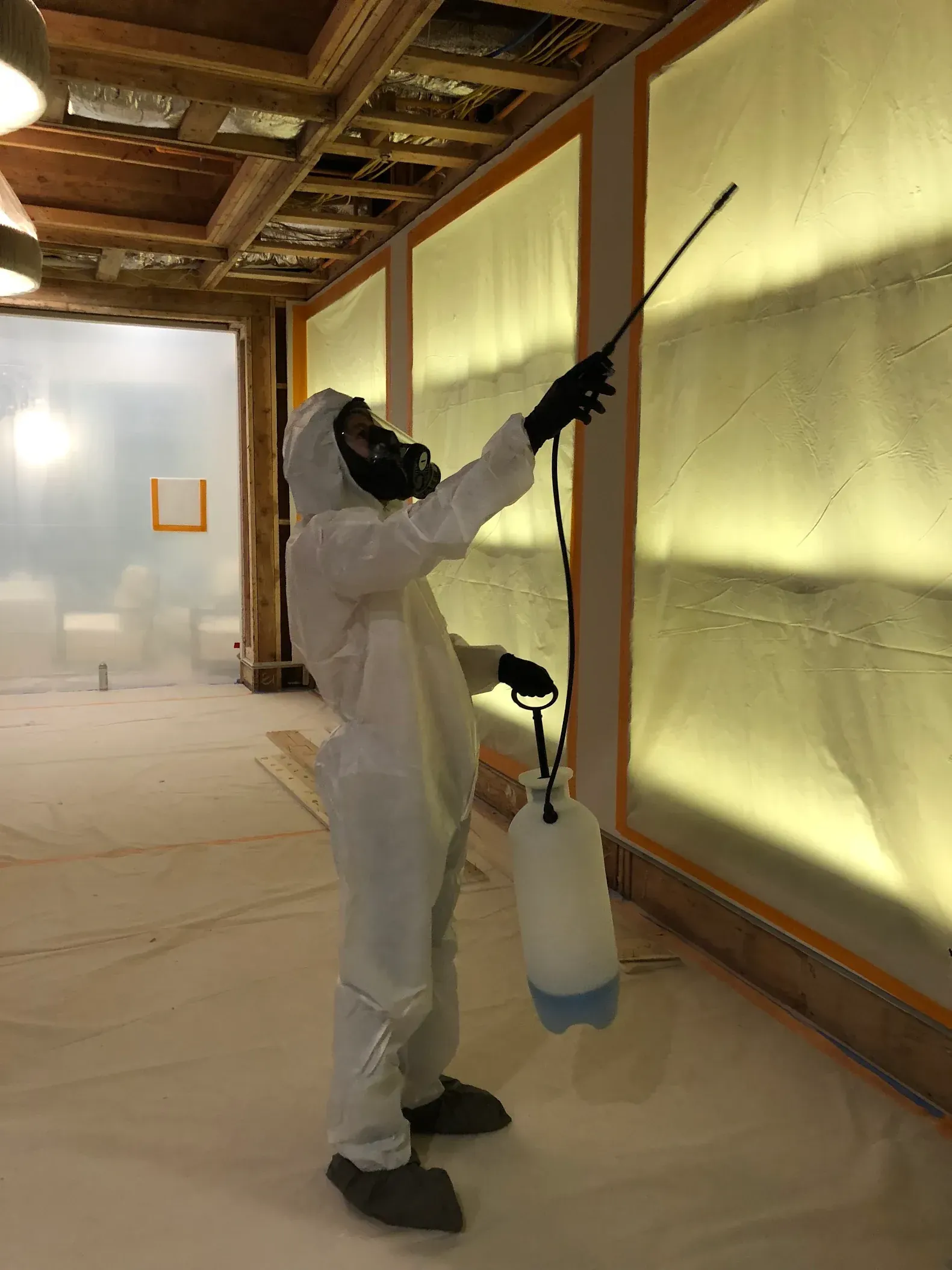
Mold Remediation
Canyon Lake
Professional Removal & Restoration
Canyon Lake’s gated lakeside community is home to properties built primarily in the 1980s—now over 40 years old. Aging plumbing, original roof materials, failed window seals, and a lake-recreation lifestyle that brings extra moisture indoors create a specific set of mold risks. When hidden leaks, chronic humidity, or condensation cycling leads to mold growth inside wall cavities or behind cabinetry, controlled remediation—not surface cleaning—is what resolves the problem safely.
Aging 1980s Construction and Lake-Lifestyle Moisture: A Common Remediation Pattern
Most Canyon Lake homes were built in the mid-1980s with copper plumbing, composition shingle roofs, and original HVAC systems that are now well past their expected service life. These aging components develop slow leaks, condensation issues, and material failures that introduce hidden moisture behind finished surfaces. Add in the moisture from lake recreation—damp gear, boats, and equipment stored in garages—and the conditions for mold growth are common throughout the community.
Our remediation process in Canyon Lake addresses the root moisture source, removes affected materials under controlled conditions, and prepares the area for reconstruction—whether you're rebuilding with us or coordinating with your own contractor.
CERTIFIED & Recommended






Common Remediation Drivers in Canyon Lake Homes
Canyon Lake's housing stock—primarily 1980s-era homes in a gated lakeside community—creates a specific set of moisture and remediation patterns tied to aging infrastructure and a water-recreation lifestyle. These are the conditions we see most often when Canyon Lake homeowners call for help.
Aging 1980s plumbing and roof materials
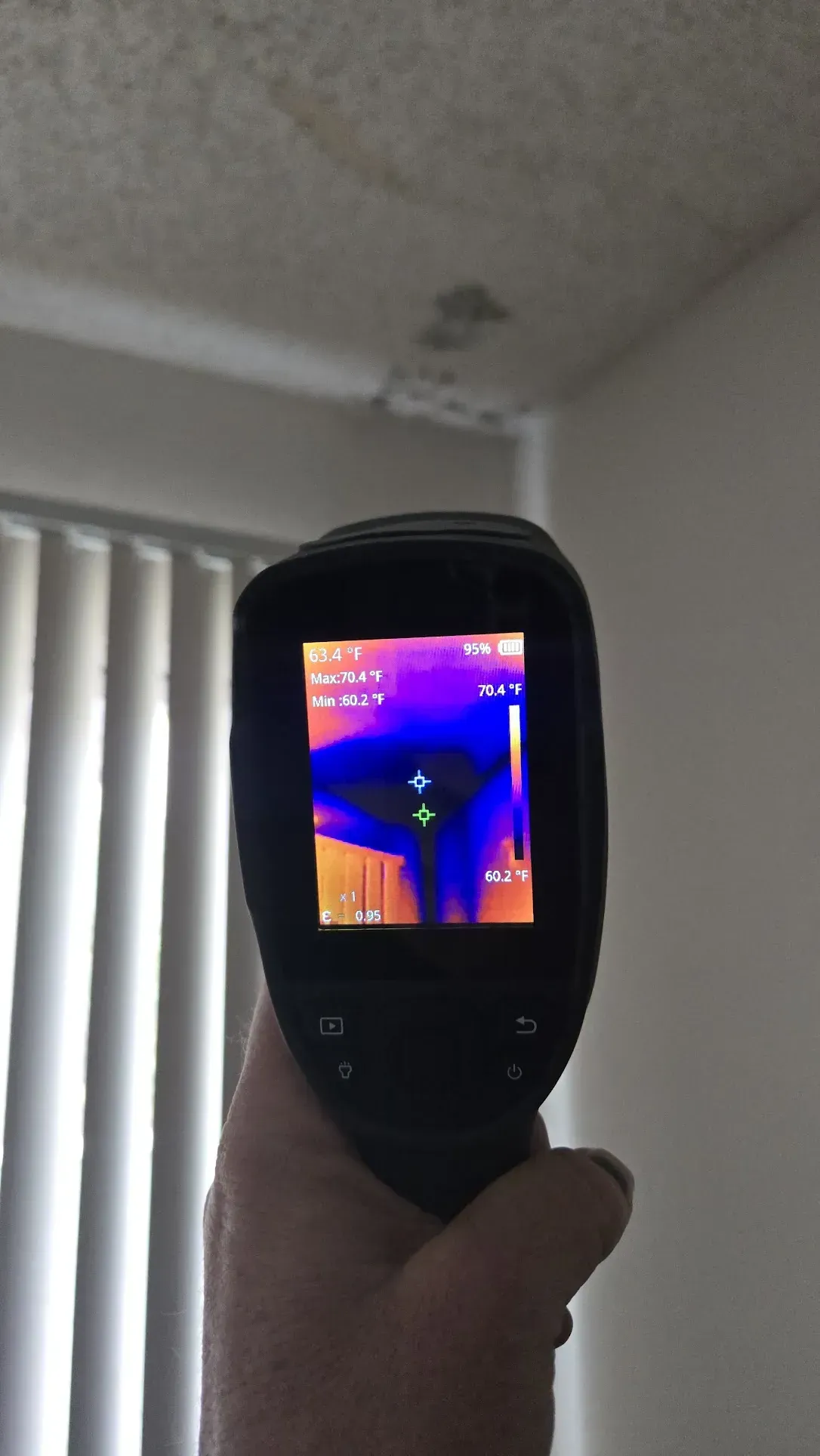
Original copper supply lines develop pinhole leaks after 40+ years, and composition shingle roofs deteriorate allowing moisture entry at penetrations and valleys. These slow failures introduce hidden moisture behind walls and in attic spaces that leads to concealed mold growth—often requiring selective demolition and controlled remediation.
Lake-recreation lifestyle moisture
Stored damp boats, life jackets, water toys, ropes, and gear in garages create chronically elevated humidity in enclosed spaces. That moisture feeds mold growth on nearby drywall, wood framing, stored belongings, and organic materials. Canyon Lake’s active lake lifestyle makes garage and storage area mold a recurring issue throughout the community.
Chronic bathroom humidity in original master baths
Many 1980s-era master bathrooms in Canyon Lake were built with undersized exhaust fans or passive venting that doesn’t adequately remove shower humidity. Decades of chronic moisture exposure saturates ceiling drywall, paint, and grout—creating ideal conditions for mold colonization that eventually requires professional remediation.
Older HVAC systems with condensation issues
Original or aging HVAC systems in Canyon Lake homes develop condensation problems from worn ductwork seams, deteriorating insulation wraps, and outdated drain pan configurations. Condensation on duct surfaces and around supply registers damages surrounding drywall and insulation, especially in attic-mounted systems common in 1980s construction.
Original window seals failing
Early dual-pane and single-pane windows from the 1980s develop seal failures that allow condensation to form between panes and on interior frame surfaces. That persistent moisture supports mold growth on wood or vinyl frames and on the surrounding drywall—a pattern we see frequently throughout Canyon Lake’s older housing stock.
Year-round HVAC operation creating condensation cycling
Canyon Lake’s inland climate requires near-constant HVAC operation—cooling through hot summers and heating through cool winters. This constant cycling creates repeated condensation and evaporation on building surfaces, ductwork, and around registers, producing the chronic moisture conditions that support mold growth in wall cavities and ceiling spaces.
What Our Canyon Lake Remediation Addresses
We plan remediation around Canyon Lake's specific construction era and moisture risks. Every scope is tailored to the property—not a generic template.
Aging Infrastructure Remediation
Controlled removal of mold-affected drywall, insulation, and framing caused by original plumbing failures, roof deterioration, and 40-year-old building material breakdown. We identify the moisture entry point, remove contaminated materials under containment, and prepare the area for proper reconstruction with updated plumbing and roofing materials.
Lifestyle & Humidity Remediation
When boat and gear storage moisture, chronic bathroom humidity, or garage condensation has created mold growth on surrounding materials, we address the affected drywall, framing, and stored materials while identifying the humidity source. Ventilation improvements and moisture management strategies are recommended to prevent recurrence.
Window & HVAC System Remediation
Failed window seals and aging ductwork create persistent condensation that damages surrounding materials. We remove mold-affected drywall, framing, and insulation around failed windows and HVAC components, address concealed growth in wall cavities, and coordinate with your window installer and HVAC contractor for system corrections.
Want to understand the full remediation process in detail? See our complete remediation process →
Schedule Mold Remediation in Canyon Lake
Serving Canyon Lake & Surrounding Areas
If you're dealing with visible mold growth, musty odors behind walls, water-damaged drywall or cabinetry, or a failed clearance test from a previous contractor—we'll evaluate the conditions, identify the moisture source, and build a remediation scope that actually addresses the problem. From the lakefront homes to the hillside properties throughout Canyon Lake's gated community, we understand the construction patterns and moisture risks specific to this area.
What's Included in a Professional Remediation Scope
A professional mold remediation scope in Canyon Lake is built around the specific conditions in your home—not a generic checklist. Here's what a typical scope includes:
- Containment strategy (when needed) — isolating the work area to prevent cross-contamination
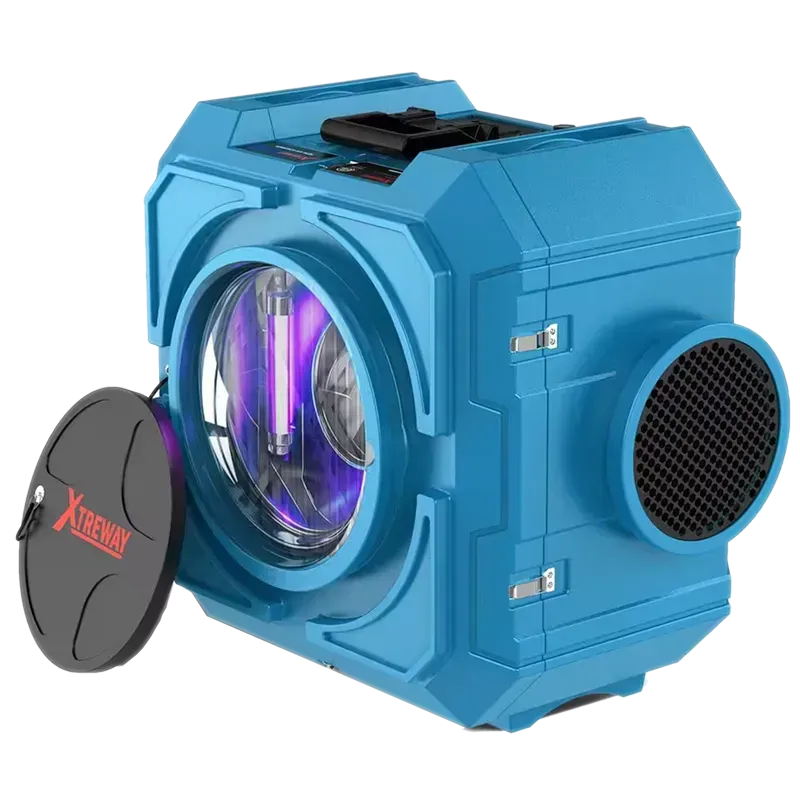
- HEPA filtration and negative air strategy (when needed) — controlling airborne particulate during work
- Selective demolition vs. cleanable materials — removing what can't be saved, preserving what can
- Cleaning protocol and dust control — detailed cleaning of remaining structure and surfaces
- Drying coordination — because wet materials are the driver behind mold recurrence
- Post-work cleaning and documentation — photos, notes, and clearance readiness
Note: The specific approach depends on the extent and location of the affected materials, the type of construction, and whether sensitive occupants are present. Every scope is tailored to the property.
Sources: OSHA Mold Remediation Guidance; NIOSH Mold Remediation Guidelines
Permits & Rebuild Coordination in Canyon Lake
Mold remediation often leads to selective demolition and rebuild—drywall, cabinets, plumbing, electrical, or roofing. Depending on the scope, permits may be required for reconstruction work in Canyon Lake.
When Permits May Be Needed
- Drywall replacement beyond minor patching
- Plumbing repair or replacement (supply lines, drain lines, shower pans)
- Electrical work (wet circuits, panel-related work)
- Roofing repairs tied to active water intrusion
- Water heater replacement
Who Pulls the Permit?
Typically, the licensed contractor performing the reconstruction work (GC, plumber, electrician, or roofer) is responsible for pulling permits. We coordinate with your chosen rebuild contractor to ensure a smooth handoff from remediation to reconstruction.
Canyon Lake Permit Portal
Canyon Lake handles building permits through their online portal. You or your contractor can check requirements and submit applications here:
Canyon Lake Building & SafetyAsbestos Awareness & SCAQMD Rule 1403
When mold remediation involves demolition or disturbance of building materials—especially in homes built before 1980—asbestos compliance may apply. In Southern California, the South Coast Air Quality Management District (SCAQMD) Rule 1403 governs asbestos-related work practices during demolition and renovation.
Rule 1403 covers surveying requirements, notification procedures, handling and removal work practices, disposal requirements, and recordkeeping. If suspect materials are present in your Canyon Lake home, proper assessment should be completed before demolition begins.
Standards We Follow
Our remediation work in Canyon Lake is guided by established industry standards for mold remediation, worker safety, and occupant protection. We apply source removal and containment concepts designed to control the spread of contamination during work—including physical barriers, controlled airflow, and HEPA filtration when conditions warrant.
Worker safety protocols include appropriate personal protective equipment (PPE), respiratory protection, exposure controls, and clean work practices. These aren't add-ons—they're part of how every job is run.
Why Moisture Control Matters
Remediation removes the existing contamination—but without correcting the moisture source, mold can return. The EPA puts it simply: “The key to mold control is moisture control.” That's why every remediation project we do in Canyon Lake includes identifying and addressing the moisture driver, not just the visible growth.
Whether the source is a slow plumbing leak, condensation from HVAC runtime, failed window flashing, or poor drainage grading, correcting the moisture pathway is what prevents recurrence and protects your investment in remediation.
Licensing & Consumer Protection
California law requires contractors performing remediation and reconstruction work to hold appropriate state licenses. You can verify any contractor's license status, bond, and insurance through the California Contractors State License Board (CSLB).
CSLB: Check a LicenseUnderstanding the Full Remediation Process
Our Canyon Lake remediation projects use the same professional-grade process we apply across every project: source identification, containment + air control, targeted removal, detailed cleaning, clearance testing, and reconstruction coordination.
View the complete remediation processFrequently Asked Questions — Canyon Lake Remediation
Our Canyon Lake home was built in the 1980s. What should we watch for?
Homes built in the 1980s have building materials that are now 40+ years old. Original copper plumbing develops pinhole leaks, composition roof shingles deteriorate and allow moisture entry, single-pane or early dual-pane window seals fail creating condensation, and original HVAC ductwork develops gaps and condensation issues. Any of these age-related failures can introduce hidden moisture that leads to mold growth behind finished surfaces.
We store our boat gear in the garage and found mold. Is that related?
Very likely. Damp life jackets, towels, ropes, water toys, and other lake gear stored in an enclosed garage create elevated humidity levels. That moisture feeds mold growth on nearby drywall, stored cardboard, wood shelving, and other organic materials. The combination of trapped moisture and limited ventilation makes garages one of the most common mold locations in Canyon Lake homes.
The master bath has always been humid. Is that a mold risk?
Yes. Many original 1980s master bathrooms in Canyon Lake were built with undersized exhaust fans or passive vents that don't move enough air. Chronic humidity from daily showers saturates drywall, ceiling materials, and grout lines over time. If you see darkening at ceiling corners, peeling paint, or musty odor, there's likely mold growth on or behind those surfaces that requires professional remediation.
How do you handle remediation in a gated community like Canyon Lake?
The remediation process itself is the same professional standard we use everywhere — containment, HEPA filtration, selective demolition, detailed cleaning, and clearance testing. For Canyon Lake specifically, we coordinate gate access, equipment staging, and scheduling with HOA/POA requirements to ensure the project runs smoothly within community guidelines.
Our windows are fogging and the frames are showing dark spots. Is that mold?
Very likely. When window seals fail — common in original 1980s windows — condensation forms between panes and on interior frame surfaces. That persistent moisture supports mold growth on wood or vinyl frames and on the surrounding drywall. The dark spots you're seeing are almost certainly mold colonization that needs professional remediation along with window replacement to correct the moisture source.
Canyon Lake Community Resources
Official city and community resources for Canyon Lake residents:
Nearby Service Areas
We also provide mold remediation in these nearby communities:
Remediation
Procedure Outline
Core Steps
Free Initial Assessment
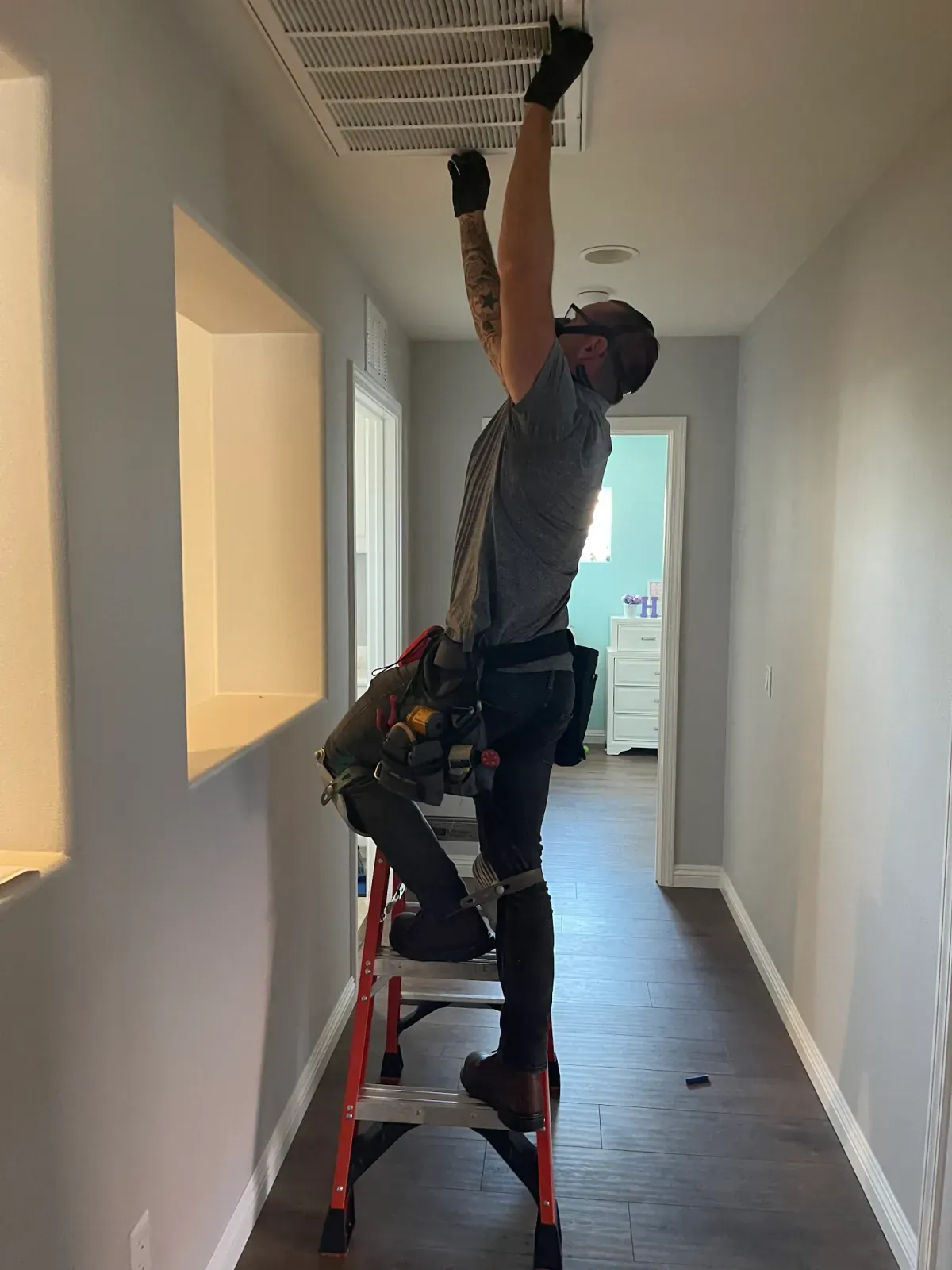
Begin with a complimentary on-site evaluation to understand the specific needs and concerns of the client. Our technician will conduct a visual inspection and discuss the potential issues with the homeowner.
Sampling of Indoor Air
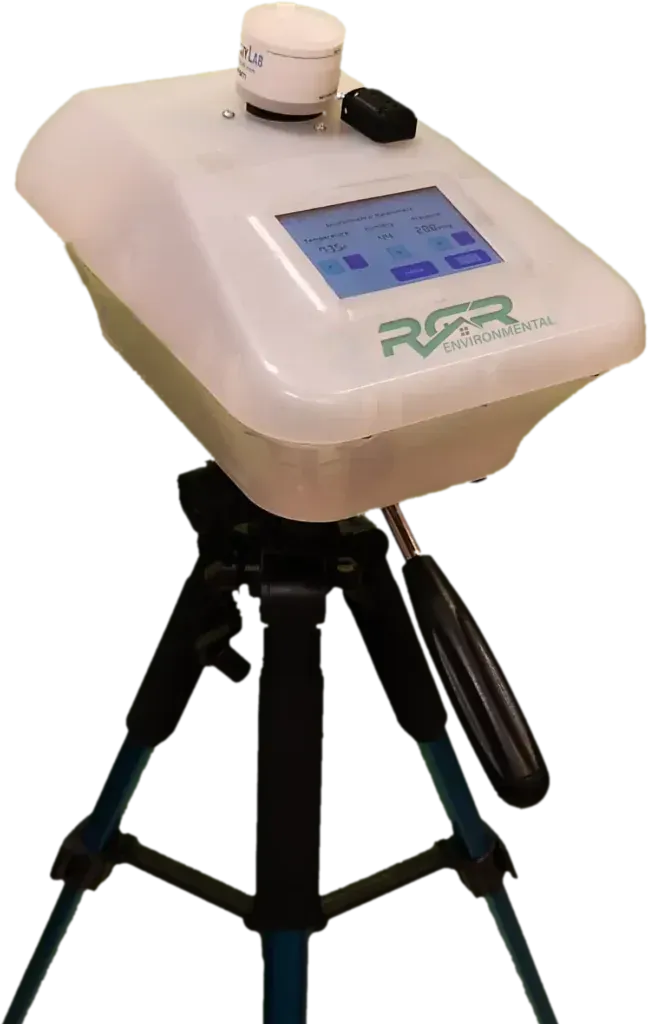
Using state-of-the-art equipment, we'll collect samples from various zones in the property to gauge the indoor air contaminants, including mold spores, allergens, and other particulates.
Outdoor Referencing
To ensure accuracy in our results, we'll also take an outdoor air sample. This acts as a reference point and helps us identify anomalies in the indoor environment.
Detailed Lab Analysis
The collected samples are sent to our accredited laboratory. Here, they undergo a meticulous examination to determine the types and concentrations of pollutants.
Comprehensive Report
Once the lab analysis is complete, we'll prepare an in-depth report detailing our findings. This will include potential health risks, recommended corrective actions, and any other relevant insights.
Advice & Solutions
Based on our findings, we'll offer tailored solutions to rectify identified air quality issues. This may include mold remediation steps, ventilation improvements, or moisture control methods to ensure a healthier living environment.
Mold & Indoor
Air QualityBy the numbers
Indoor Air Pollution
Time Indoors
Asthma & Dampness/Mold
Homes With Dampness/Mold Indicators
Canyon Lake homeowners often spend extended time indoors during peak summer heat, which means indoor air quality matters more than many realize. In Canyon Lake's aging 1980s construction, hidden moisture from failing plumbing, deteriorating roof materials, and year-round HVAC condensation cycling can contribute to indoor air concerns that professional remediation is designed to resolve.
If you've had water damage, persistent musty smells, or visible mold growth in your Canyon Lake home, professional remediation can address the contamination at its source and restore safe indoor conditions.
Sources: U.S. EPA; Mudarri & Fisk (Indoor Air); LBNL Indoor Air Quality Research
Mold & Indoor
Air QualityBy the numbers
Indoor Air Pollution
Time Indoors
Asthma & Dampness/Mold
Homes With Dampness/Mold Indicators
Sources: U.S. EPA; Mudarri & Fisk (Indoor Air); LBNL Indoor Air Quality Research
Canyon Lake homeowners often spend extended time indoors during peak summer heat, which means indoor air quality matters more than many realize. In Canyon Lake's aging 1980s construction, hidden moisture from failing plumbing, deteriorating roof materials, and year-round HVAC condensation cycling can contribute to indoor air concerns that professional remediation is designed to resolve.
If you've had water damage, persistent musty smells, or visible mold growth in your Canyon Lake home, professional remediation can address the contamination at its source and restore safe indoor conditions.
Related Services
Depending on findings at your Canyon Lake property, you may need inspection, testing, or air quality analysis in addition to remediation.
All Services in Canyon Lake
Explore all mold inspection, testing, remediation, and air quality services available in Canyon Lake.
Mold Inspection in Canyon Lake
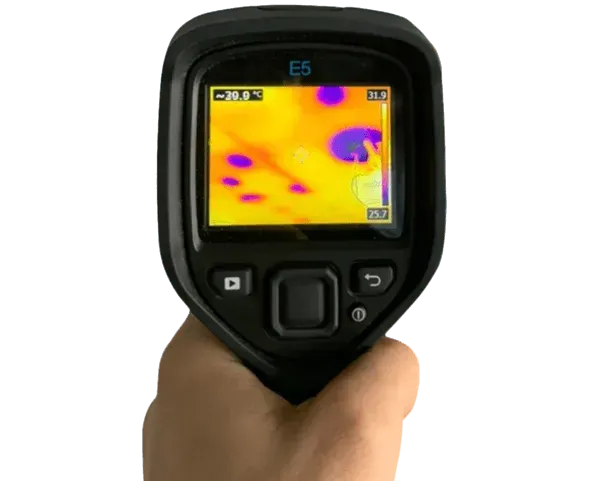
Targeted inspection with moisture screening, thermal imaging, and lab-certified air and surface sampling.
Air Quality Testing
Spore trap and air cassette sampling to measure airborne mold levels and evaluate indoor air conditions.
Water Damage in Canyon Lake
Emergency water damage restoration, professional dry-outs, and sewage cleanup for Canyon Lake properties.