

Mold Remediation
Winchester
Professional Removal & Restoration
Winchester’s mix of older ranch-style homes and newer subdivision construction creates a dual set of moisture and mold risks. From galvanized plumbing failures in 1970s–1980s homes to stucco intrusion in 2000s-era tracts, controlled remediation—not surface cleaning—is what resolves the problem safely.
Older Ranch Properties and Newer Subdivisions: Two Distinct Remediation Profiles
Winchester's building stock spans decades—from semi-rural ranch homes built in the 1970s and 1980s with original plumbing and roofing, to subdivision tracts developed from the late 1990s through 2008. Each era brings different materials, different failure points, and different remediation considerations. Add detached garages, workshops, and outbuildings common in the area, and the range of moisture problems is broader than in a typical suburban community.
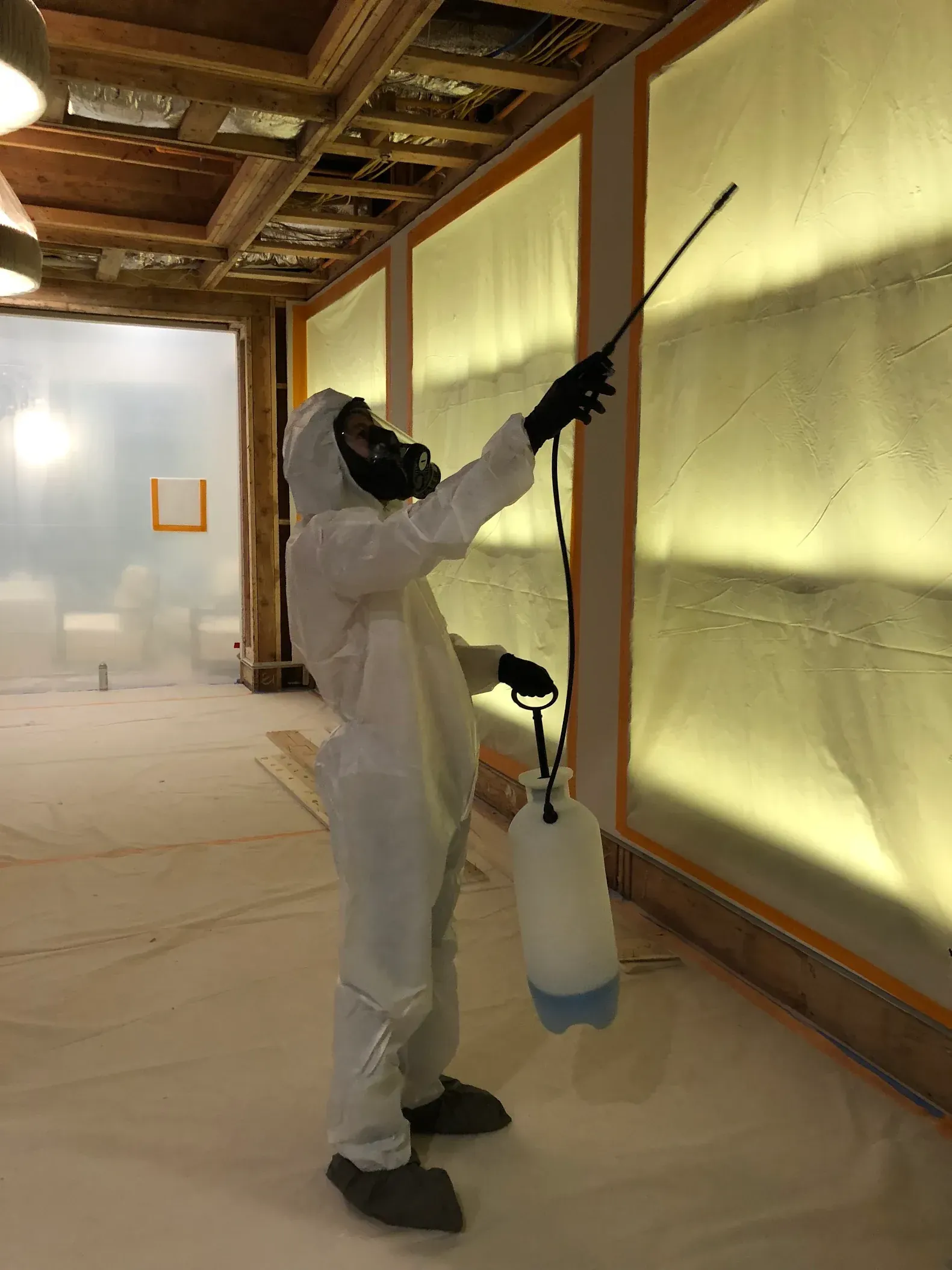
Our remediation process in Winchester addresses the root moisture source, removes affected materials under controlled conditions, and prepares the area for reconstruction—whether you're rebuilding with us or coordinating with your own contractor through the Riverside County permitting process.
CERTIFIED & Recommended







Common Remediation Drivers in Winchester Properties
Winchester's dual character—semi-rural older properties alongside newer 1990s–2008 subdivision growth—creates a broader range of moisture and remediation patterns than most communities. These are the conditions we see most often when Winchester homeowners call for help.
Galvanized and CPVC plumbing failures in older homes
Many of Winchester’s older ranch-style homes still have original galvanized supply lines or early CPVC piping. Internal corrosion and brittle joints create pinhole leaks that run behind walls, under slabs, and through crawlspaces for months before detection—saturating framing, insulation, and subfloor materials and creating conditions that require controlled remediation.
Roof material deterioration on older structures
Original roofing materials on 1970s–1980s-era Winchester homes—composition shingles, rolled roofing, and aging flashing—deteriorate over time. Failed roof penetrations at vents, chimneys, and swamp cooler mounts allow intermittent water entry that saturates sheathing and attic insulation, often requiring remediation before re-roofing.
Stucco intrusion in newer subdivision homes
Tract homes built during Winchester’s subdivision growth phase use stucco exteriors that can mask water intrusion for years. Hairline cracks, failed sealant at window transitions, and flashing gaps at roof-wall intersections create slow moisture entry behind drywall—often requiring selective demolition and controlled remediation by the time mold becomes apparent.
Roof penetration failures in newer tract construction
Newer Winchester homes with concrete tile roofs are susceptible to flashing failures around vent penetrations, roof-wall intersections, and valley transitions. These intermittent leaks saturate sheathing and insulation over time, creating remediation needs that aren’t visible from the living space below.
Outbuilding and detached structure moisture
Winchester’s semi-rural character means many properties include detached garages, workshops, barns, and storage buildings. These structures often have minimal ventilation, slab-on-grade construction with no moisture barrier, and roof details that allow water entry—creating persistent moisture conditions that support mold growth on stored materials, framing, and wall surfaces.
Poor ventilation in converted or enclosed spaces
Garage conversions, enclosed patios, and additions built without proper HVAC integration are common in Winchester’s older properties. These spaces often lack adequate ventilation and vapor management, leading to chronic elevated humidity and mold growth on walls, ceilings, and at flooring transitions—especially during cooler months when condensation is more active.
What Our Winchester Remediation Addresses
We plan remediation around Winchester's specific construction types and moisture risks. Every scope is tailored to the property—not a generic template.
Older Home Remediation
Controlled removal of mold-affected materials in homes with original plumbing failures, roof material deterioration, and older construction details like wood lath and plaster. We identify the moisture source, work carefully around different wall and ceiling assemblies, and prepare the area for reconstruction that accounts for the home's original construction type.
Newer Subdivision Remediation
Tract construction moisture problems—stucco intrusion, shower pan failures, supply line leaks, and roof penetration issues—are addressed with containment, selective demolition, and HEPA filtration. We remove affected drywall, insulation, and framing behind stucco-backed walls and coordinate the handoff to your rebuild contractor.
Outbuilding & Detached Structure Remediation
Detached garages, workshops, and barns with poor ventilation, ground-level moisture exposure, and drainage issues require the same professional remediation process as the main residence. We set up containment, address affected framing, wall surfaces, and stored materials, and identify the moisture source—whether it's roof leaks, slab moisture, or inadequate drainage.
Want to understand the full remediation process in detail? See our complete remediation process →
Schedule Mold Remediation in Winchester
Serving Winchester & Surrounding Areas
If you're dealing with visible mold growth, musty odors behind walls, water-damaged drywall or cabinetry, or a failed clearance test from a previous contractor—we'll evaluate the conditions, identify the moisture source, and build a remediation scope that actually addresses the problem. From older ranch properties to newer subdivisions and detached outbuildings, we understand the construction patterns and moisture risks specific to Winchester.
What's Included in a Professional Remediation Scope
A professional mold remediation scope in Winchester is built around the specific conditions in your home—not a generic checklist. Here's what a typical scope includes:
- Containment strategy (when needed) — isolating the work area to prevent cross-contamination
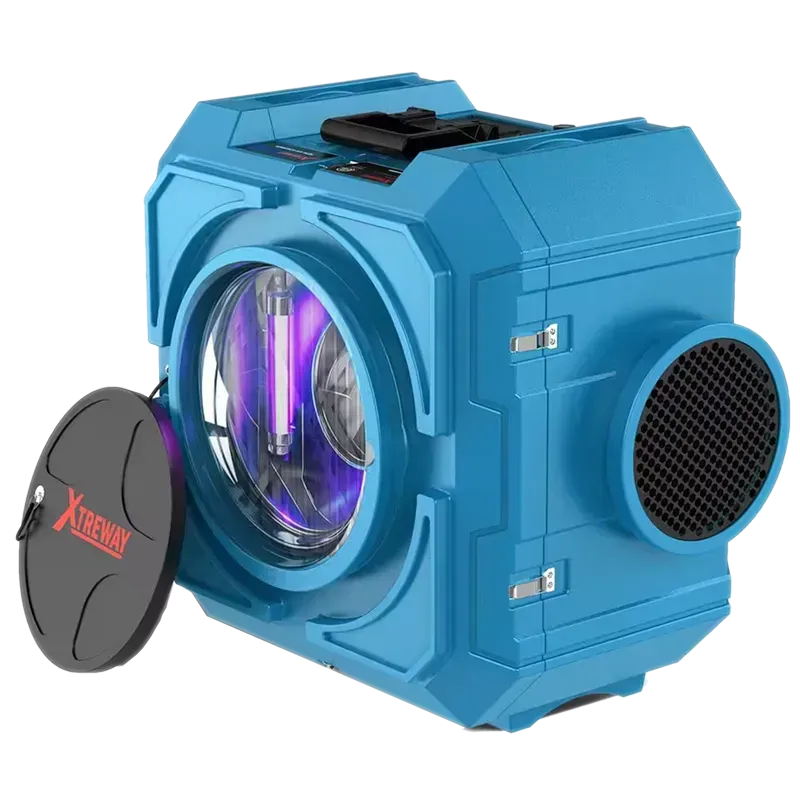
- HEPA filtration and negative air strategy (when needed) — controlling airborne particulate during work
- Selective demolition vs. cleanable materials — removing what can't be saved, preserving what can
- Cleaning protocol and dust control — detailed cleaning of remaining structure and surfaces
- Drying coordination — because wet materials are the driver behind mold recurrence
- Post-work cleaning and documentation — photos, notes, and clearance readiness
Note: The specific approach depends on the extent and location of the affected materials, the type of construction, and whether sensitive occupants are present. Every scope is tailored to the property.
Sources: OSHA Mold Remediation Guidance; NIOSH Mold Remediation Guidelines
Permits & Rebuild Coordination in Winchester
Mold remediation often leads to selective demolition and rebuild—drywall, cabinets, plumbing, electrical, or roofing. Depending on the scope, permits may be required for reconstruction work in Winchester.
When Permits May Be Needed
- Drywall replacement beyond minor patching
- Plumbing repair or replacement (supply lines, drain lines, shower pans)
- Electrical work (wet circuits, panel-related work)
- Roofing repairs tied to active water intrusion
- Water heater replacement
Who Pulls the Permit?
Typically, the licensed contractor performing the reconstruction work (GC, plumber, electrician, or roofer) is responsible for pulling permits. We coordinate with your chosen rebuild contractor to ensure a smooth handoff from remediation to reconstruction.
Winchester Permit Portal
Winchester handles building permits through their online portal. You or your contractor can check requirements and submit applications here:
Riverside County Online Submittal PortalAsbestos Awareness & SCAQMD Rule 1403
When mold remediation involves demolition or disturbance of building materials—especially in homes built before 1980—asbestos compliance may apply. In Southern California, the South Coast Air Quality Management District (SCAQMD) Rule 1403 governs asbestos-related work practices during demolition and renovation.
Rule 1403 covers surveying requirements, notification procedures, handling and removal work practices, disposal requirements, and recordkeeping. If suspect materials are present in your Winchester home, proper assessment should be completed before demolition begins.
Standards We Follow
Our remediation work in Winchester is guided by established industry standards for mold remediation, worker safety, and occupant protection. We apply source removal and containment concepts designed to control the spread of contamination during work—including physical barriers, controlled airflow, and HEPA filtration when conditions warrant.
Worker safety protocols include appropriate personal protective equipment (PPE), respiratory protection, exposure controls, and clean work practices. These aren't add-ons—they're part of how every job is run.
Why Moisture Control Matters
Remediation removes the existing contamination—but without correcting the moisture source, mold can return. The EPA puts it simply: “The key to mold control is moisture control.” That's why every remediation project we do in Winchester includes identifying and addressing the moisture driver, not just the visible growth.
Whether the source is a slow plumbing leak, condensation from HVAC runtime, failed window flashing, or poor drainage grading, correcting the moisture pathway is what prevents recurrence and protects your investment in remediation.
Licensing & Consumer Protection
California law requires contractors performing remediation and reconstruction work to hold appropriate state licenses. You can verify any contractor's license status, bond, and insurance through the California Contractors State License Board (CSLB).
CSLB: Check a LicenseUnderstanding the Full Remediation Process
Our Winchester remediation projects use the same professional-grade process we apply across every project: source identification, containment + air control, targeted removal, detailed cleaning, clearance testing, and reconstruction coordination.
View the complete remediation processFrequently Asked Questions — Winchester Remediation
Winchester isn't an incorporated city. How does permitting work?
Winchester is an unincorporated community within Riverside County, so permitting goes through the Riverside County Transportation and Land Management Agency (TLMA) rather than a city permit office. You can submit applications through the Riverside County Online Submittal Portal. The process is slightly different from incorporated cities like Temecula or Murrieta, but we're familiar with the county workflow and can help your rebuild contractor navigate it.
Our older Winchester home has galvanized pipes. Is that a mold risk?
Yes. Galvanized pipes corrode internally over time, narrowing the pipe diameter and eventually developing pinhole leaks. These small, slow leaks can run for months or years behind walls, under slabs, or in crawlspaces before anyone notices. By the time you see staining or smell musty odors, the moisture has often saturated drywall, framing, or insulation and created conditions for mold growth. If your home has original galvanized plumbing, proactive leak detection is worth considering.
We found mold in our detached garage/workshop. Do you handle outbuildings?
Yes. We apply the same professional remediation process to detached garages, workshops, barns, and other outbuildings. These structures often have less ventilation, more ground-level moisture exposure, and construction details that make them especially prone to mold growth. We set up containment, run HEPA filtration, remove affected materials, and leave the space clean and ready for any needed reconstruction.
How does remediation differ in older homes vs. newer subdivisions?
The core process — containment, HEPA filtration, selective demolition, cleaning, and clearance — is the same, but the materials and access points differ. Older Winchester homes may have plaster over wood lath, original roofing materials, and different framing patterns that require more careful demolition. Newer subdivision homes typically have drywall, stucco exteriors, and modern framing, but may have tighter building envelopes that trap moisture. We tailor the approach to the specific construction type of your property.
Can you coordinate with our contractor for the rebuild?
Absolutely. We provide detailed documentation of the remediation scope, including what was removed, moisture readings, clearance results, and recommendations for reconstruction. This gives your rebuild contractor a clear starting point. We also coordinate the handoff directly — making sure the remediation is fully cleared before reconstruction begins, and that any moisture corrections are addressed in the rebuild plan.
Winchester Community Resources
Official city and community resources for Winchester residents:
Nearby Service Areas
We also provide mold remediation in these nearby communities:
Remediation
Procedure Outline
Core Steps
Free Initial Assessment
Begin with a complimentary on-site evaluation to understand the specific needs and concerns of the client. Our technician will conduct a visual inspection and discuss the potential issues with the homeowner.
Sampling of Indoor Air
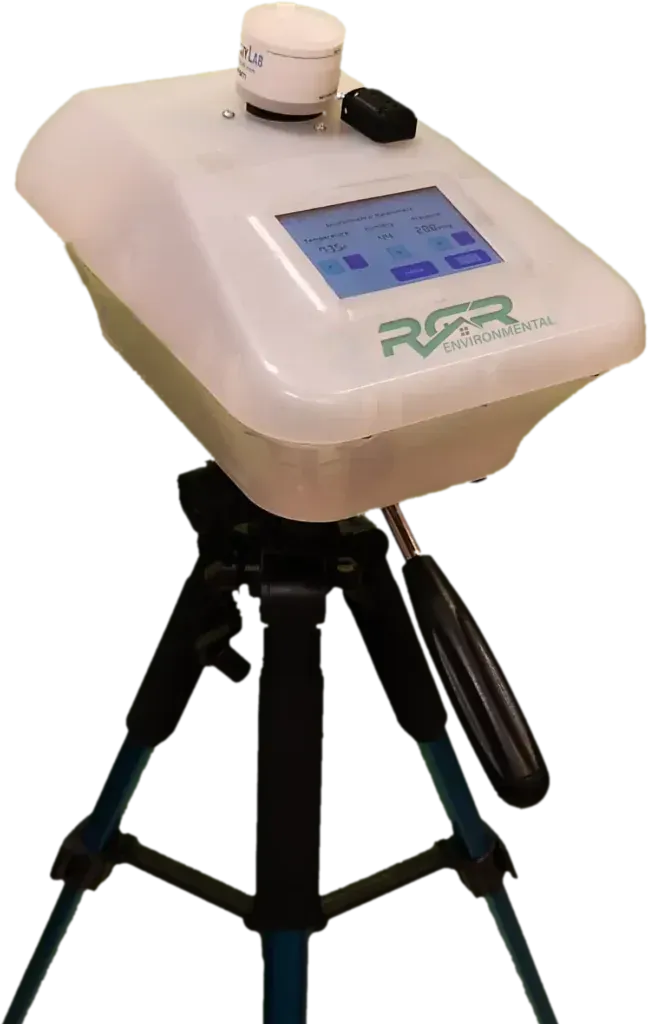
Using state-of-the-art equipment, we'll collect samples from various zones in the property to gauge the indoor air contaminants, including mold spores, allergens, and other particulates.
Outdoor Referencing
To ensure accuracy in our results, we'll also take an outdoor air sample. This acts as a reference point and helps us identify anomalies in the indoor environment.
Detailed Lab Analysis
The collected samples are sent to our accredited laboratory. Here, they undergo a meticulous examination to determine the types and concentrations of pollutants.
Comprehensive Report
Once the lab analysis is complete, we'll prepare an in-depth report detailing our findings. This will include potential health risks, recommended corrective actions, and any other relevant insights.
Advice & Solutions
Based on our findings, we'll offer tailored solutions to rectify identified air quality issues. This may include mold remediation steps, ventilation improvements, or moisture control methods to ensure a healthier living environment.
Mold & Indoor
Air QualityBy the numbers
Indoor Air Pollution
Time Indoors
Asthma & Dampness/Mold
Homes With Dampness/Mold Indicators
Winchester homeowners often spend extended time indoors during peak summer heat, which means indoor air quality matters more than many realize. In Winchester's varied housing stock—from older homes with original materials to newer tract construction—hidden moisture from aging plumbing, condensation, and roof failures can contribute to indoor air concerns that professional remediation is designed to resolve.
If you've had water damage, persistent musty smells, or visible mold growth in your Winchester home or outbuilding, professional remediation can address the contamination at its source and restore safe indoor conditions.
Sources: U.S. EPA; Mudarri & Fisk (Indoor Air); LBNL Indoor Air Quality Research
Mold & Indoor
Air QualityBy the numbers
Indoor Air Pollution
Time Indoors
Asthma & Dampness/Mold
Homes With Dampness/Mold Indicators
Sources: U.S. EPA; Mudarri & Fisk (Indoor Air); LBNL Indoor Air Quality Research
Winchester homeowners often spend extended time indoors during peak summer heat, which means indoor air quality matters more than many realize. In Winchester's varied housing stock—from older homes with original materials to newer tract construction—hidden moisture from aging plumbing, condensation, and roof failures can contribute to indoor air concerns that professional remediation is designed to resolve.
If you've had water damage, persistent musty smells, or visible mold growth in your Winchester home or outbuilding, professional remediation can address the contamination at its source and restore safe indoor conditions.
Related Services
Depending on findings at your Winchester property, you may need inspection, testing, or air quality analysis in addition to remediation.
All Services in Winchester
Explore all mold inspection, testing, remediation, and air quality services available in Winchester.
Mold Inspection in Winchester
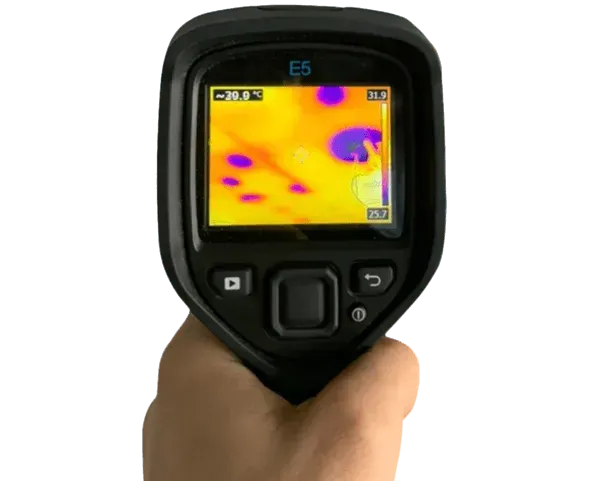
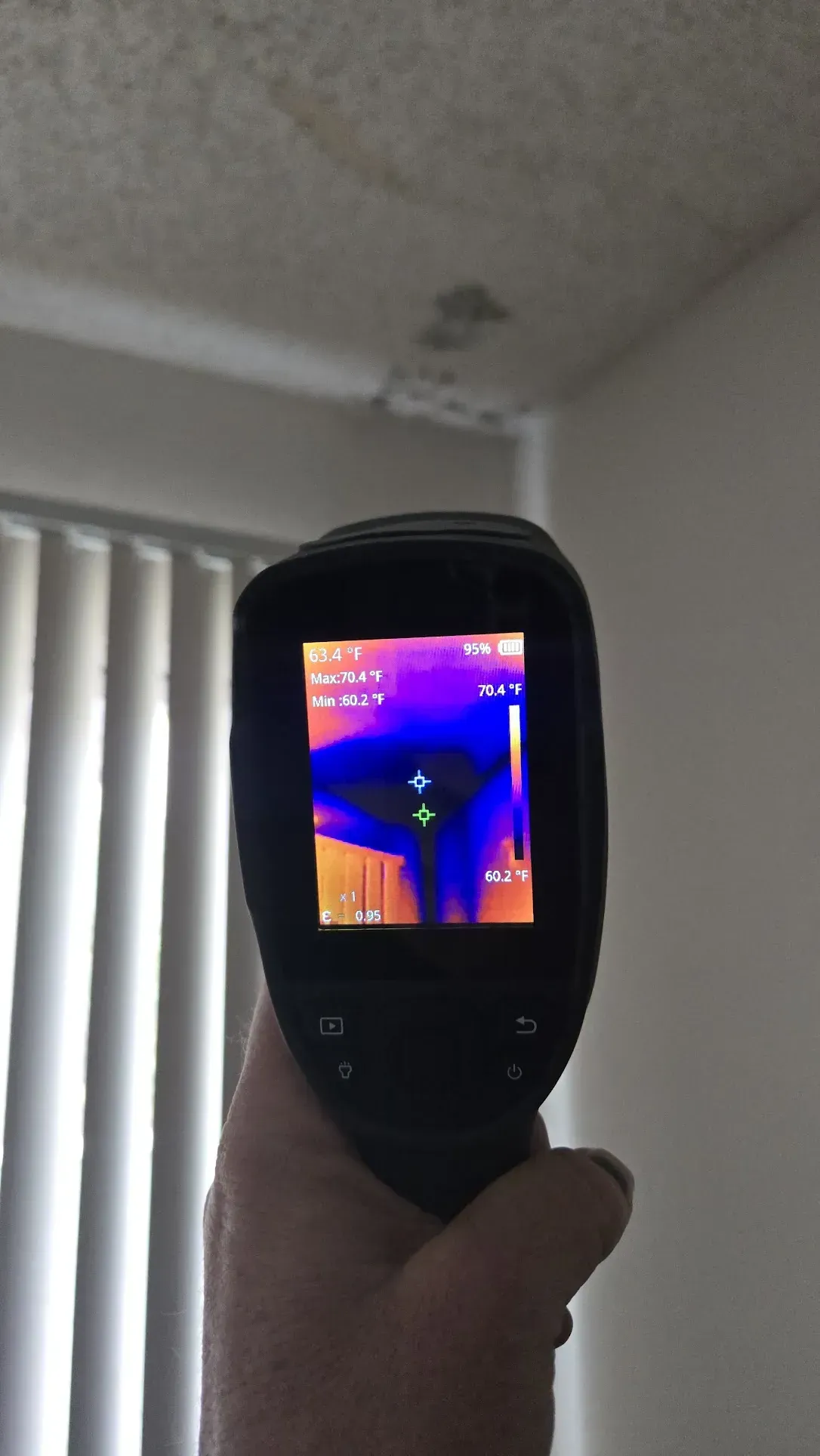
Targeted inspection with moisture screening, thermal imaging, and lab-certified air and surface sampling.
Air Quality Testing
Spore trap and air cassette sampling to measure airborne mold levels and evaluate indoor air conditions.
Water Damage in Winchester
Emergency water damage restoration, professional dry-outs, and sewage cleanup for Winchester properties.