

HVAC Influence
Sampling
When Odor or Symptoms Follow HVAC Runtime
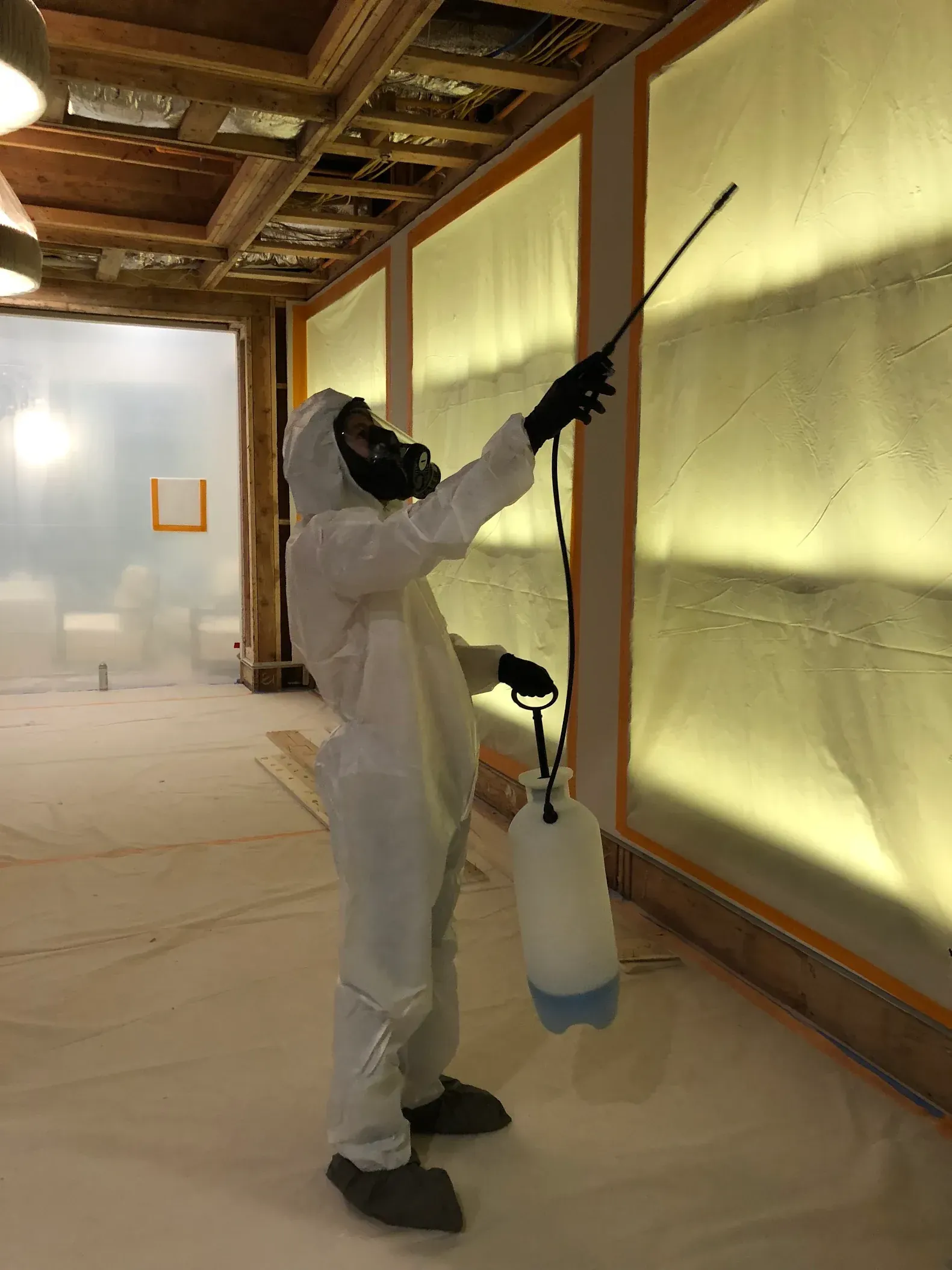
If you notice that odor or symptoms increase when the system runs, the HVAC may be influencing distribution—either by moving particles from a source elsewhere, or from contamination within components. Targeted sampling helps evaluate whether the system is part of the equation.
HVAC Influence Sampling
EPA notes that if an HVAC system is contaminated with mold, running it can spread mold through the building, and it should be addressed as part of remediation planning. OSHA also emphasizes moisture control and practical measures like keeping HVAC drip pans clean and draining properly.
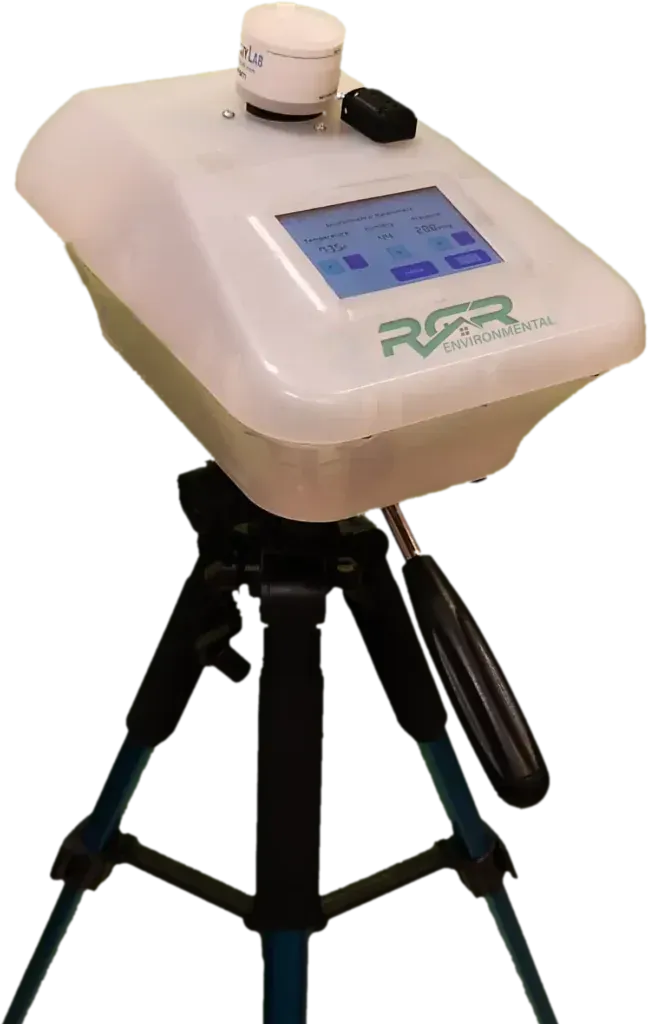
Our HVAC influence sampling approach combines targeted air testing near supply/return zones with a focused look at moisture-prone HVAC areas to determine whether the system is contributing to what you're experiencing.
CERTIFIED & Recommended






When HVAC Sampling Makes Sense
Musty Smell at Vents or Returns
Odor that’s strongest near supply registers or return grilles suggests the system may be moving contaminated air.
Symptoms Correlate With Runtime
If allergy-like symptoms, headaches, or irritation increase when the system runs—especially after extended operation—the HVAC may be a factor.
Water/Condensate History
Past water issues near the air handler closet, drip pan overflow, or supply plenum moisture are common starting points for HVAC-related concerns.
Post-Water-Damage Scenarios
If the HVAC was operating during a water event, it may have distributed moisture or particles to areas that weren’t directly affected by the original damage.
What HVAC Influence Sampling Typically Includes
Targeted Sampling Plan
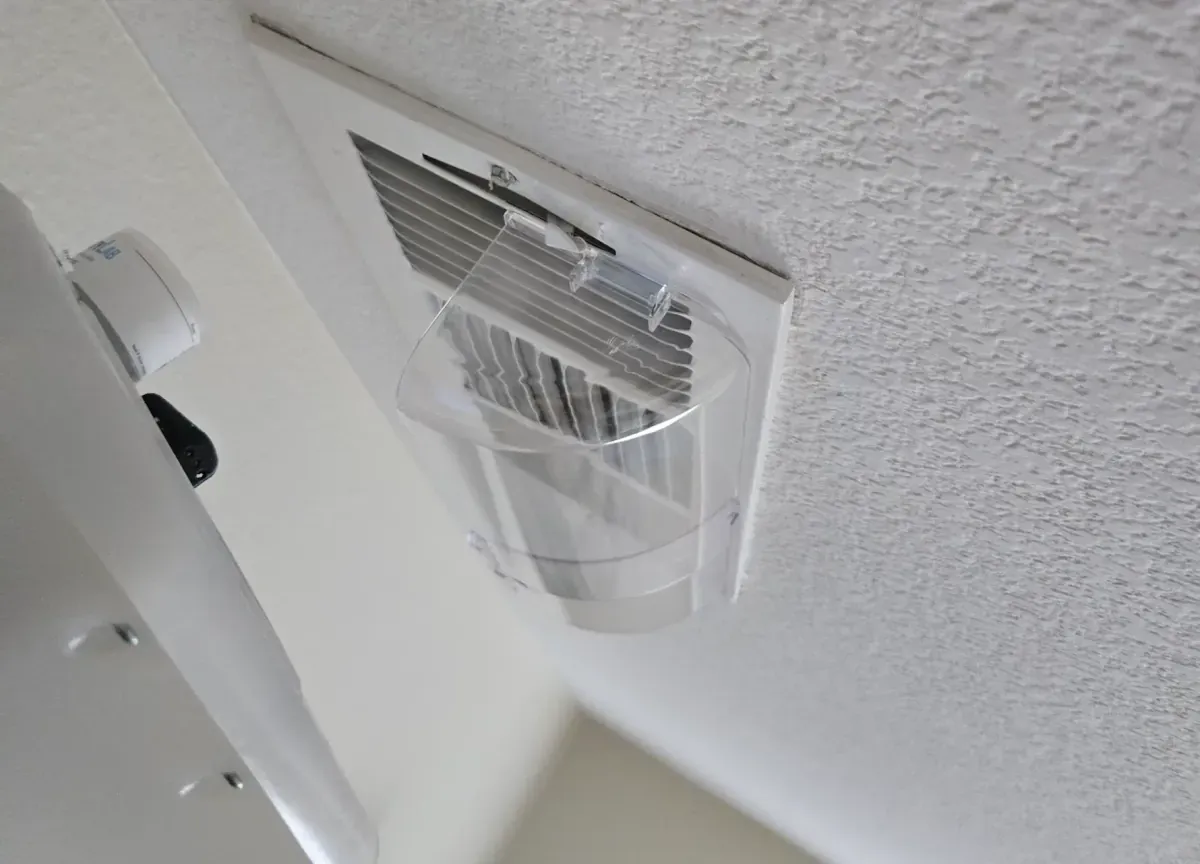
An outdoor control/baseline plus indoor samples strategically placed near supply registers, return grilles, and/or other areas of concern based on the reported symptoms.
Focused HVAC Assessment
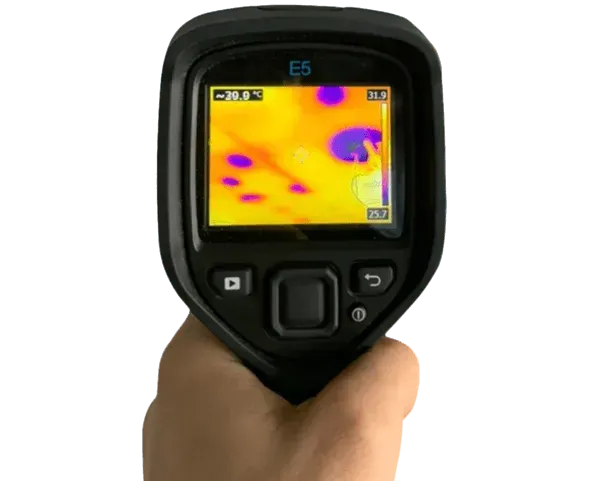
A practical look at moisture-prone HVAC areas: drip pan condition and drainage, visible debris or biological growth on accessible components, and condensation-prone zones.
Contextual Interpretation
Results interpreted with the building context—leaks, dampness, prior repairs, HVAC runtime patterns—so findings point toward actionable next steps, not just data.
How HVAC Systems Influence Mold Distribution
Your heating and cooling system touches every room in the home. When a moisture issue exists somewhere in the building, the HVAC can become a distribution pathway in several ways:
Return-side influence
If the return grille draws air from a contaminated zone (near a moldy wall, from a crawlspace, or through a leaky duct in a wet attic), spores enter the system and get distributed to every room the supply serves.
Supply-side influence
Moisture within the air handler, on the evaporator coil, or in the supply plenum can support microbial activity that gets blown into living spaces during runtime.
Passive duct leakage
Duct joints or connections in unconditioned spaces (attics, crawlspaces) can draw in contaminated air even when the system is off, then distribute it once the blower starts.
Schedule HVAC Testing
Get Started Today
If odor or symptoms follow your heating and cooling system's runtime, targeted sampling can help determine whether the HVAC is influencing what you're breathing—and what the right next step should be.
What This Does and Doesn't Prove
What It Helps Answer
- “Is HVAC operation likely influencing what we’re breathing?”
- “Is the issue localized or is the system spreading it throughout the home?”
- “Should the next step include HVAC/duct decontamination or deeper investigation?”
- “Does the distribution pattern suggest a source near the return, supply, or air handler?”
What It Doesn't Automatically Prove
- ×That the HVAC is definitively “the source”—often it’s the delivery pathway for a moisture issue elsewhere
- ×That duct cleaning alone will solve the problem—if moisture is ongoing, the issue will return
- ×A pass/fail verdict on the system—interpretation requires building context
Frequently Asked Questions
Can HVAC sampling prove my ducts “have mold”?
It helps determine whether the system is influencing distribution patterns and whether follow-up HVAC investigation makes sense. It does not automatically prove the HVAC is the source—often the system is the delivery pathway for a moisture issue elsewhere in the home.
Should I have my ducts cleaned before or after sampling?
Sampling should be done before duct cleaning. If you clean the ducts first, you remove the evidence we’re trying to evaluate. Sampling first helps determine whether cleaning is even the right next step—or if the real issue is a moisture source that needs to be corrected.
What if the issue is only noticeable in one room?
That can still involve the HVAC system. A single supply or return vent may be drawing from or delivering to a contaminated zone. HVAC influence sampling combined with room-level air testing helps narrow whether the system is part of the equation.
Does HVAC sampling require turning the system on during the test?
It depends on the concern. If symptoms correlate with runtime, we may sample with the system running to capture that condition. We document system status as part of the sampling context so the lab results can be interpreted accurately.
Other Testing Methods
HVAC sampling is often paired with other methods to build a complete picture of what's happening in the home.
Related Services
HVAC sampling is one part of a complete approach. Explore our other services to protect your home and health.
Mold Inspection
Visual assessment, infrared screening, and moisture meter verification to identify the moisture pathways driving mold growth.
Mold Remediation
Professional containment, removal, and restoration when testing confirms mold growth in your home.
Water Damage Restoration
Emergency water extraction, structural drying, and moisture management to prevent secondary mold growth.