

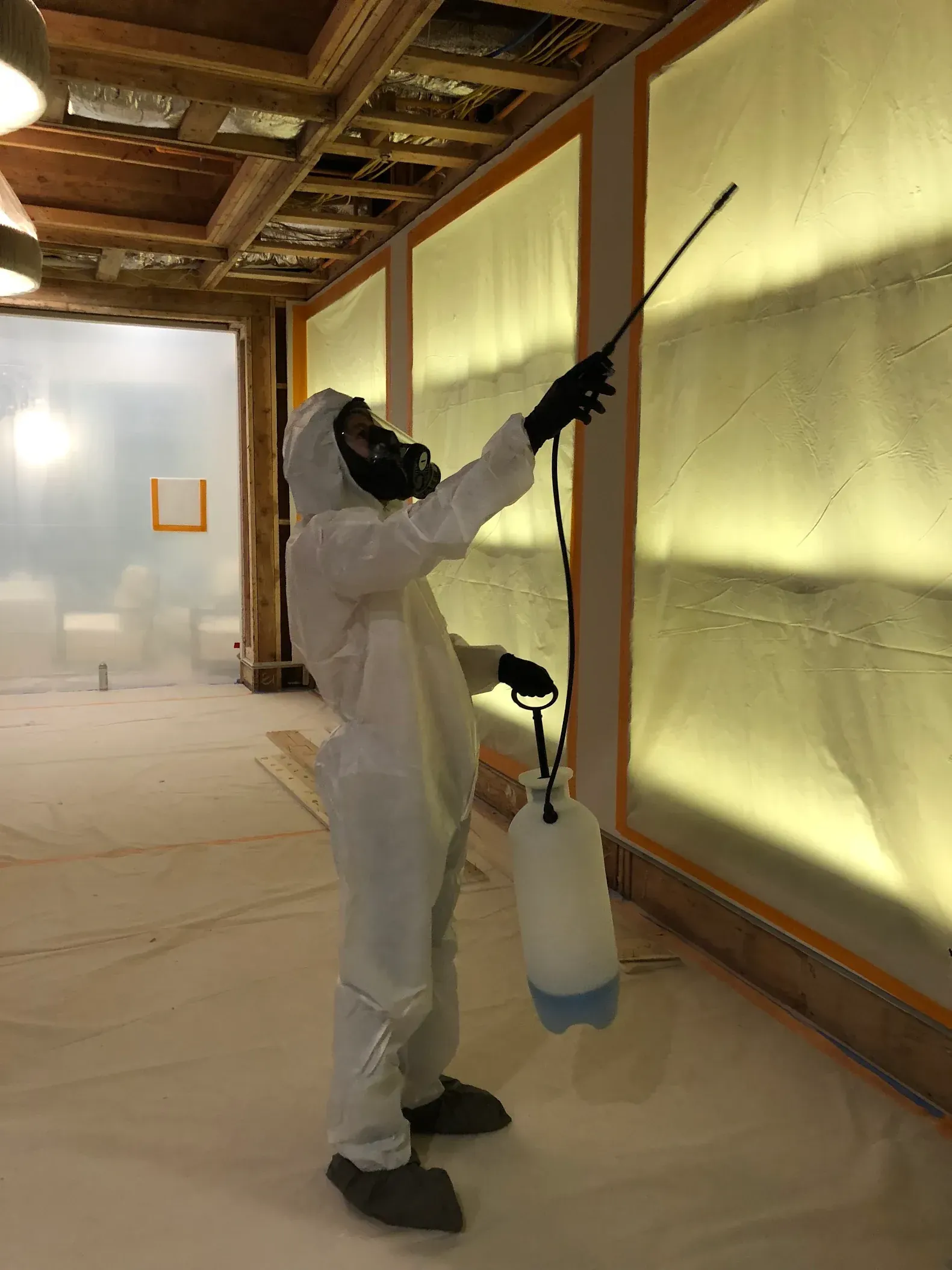
Surface
Testing
Swab & Tape-Lift Sampling for Visible Growth
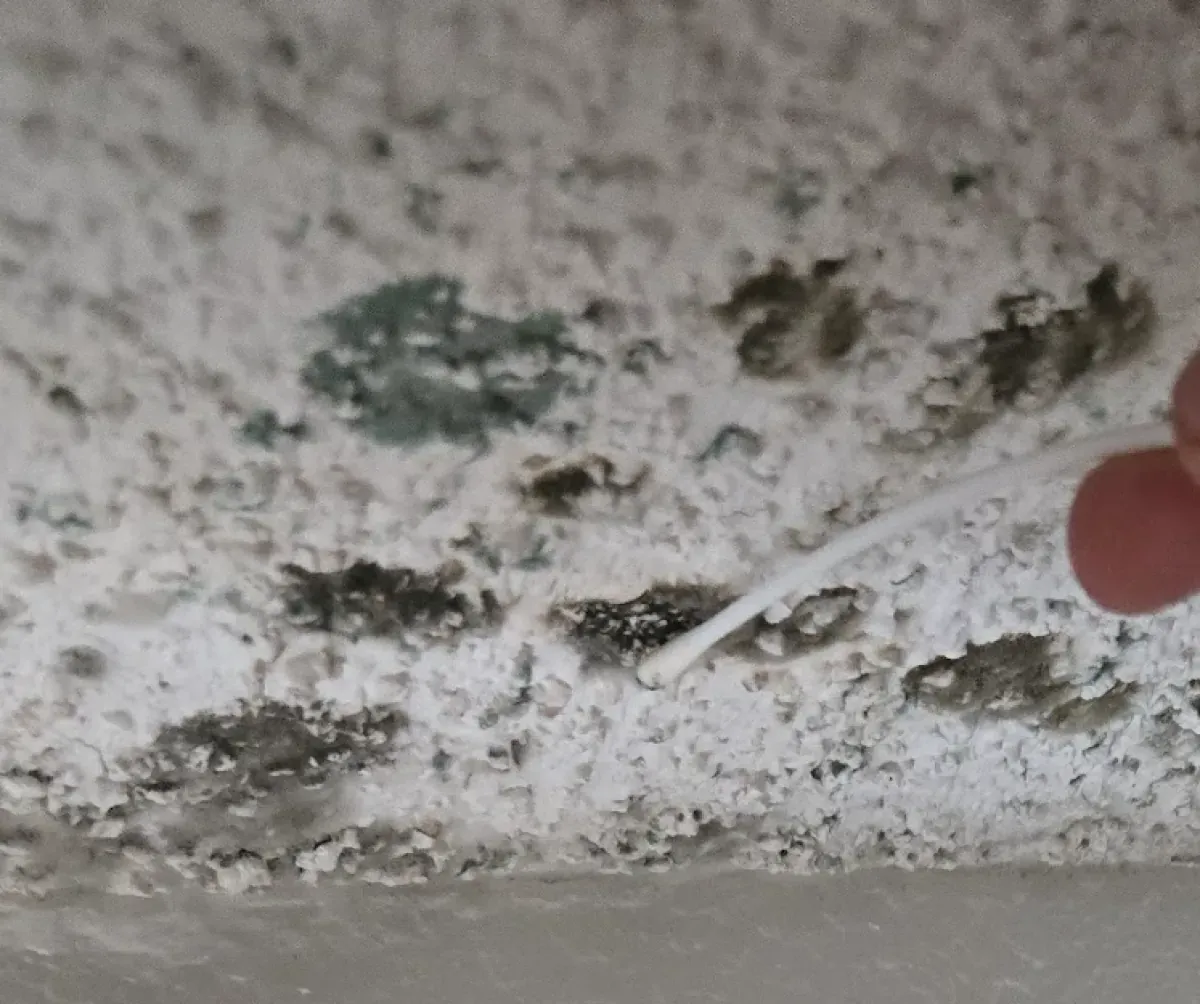
When there’s visible suspect growth or staining, surface sampling helps determine whether the material present is consistent with fungal structures—and can support identification to guide the right cleanup approach.
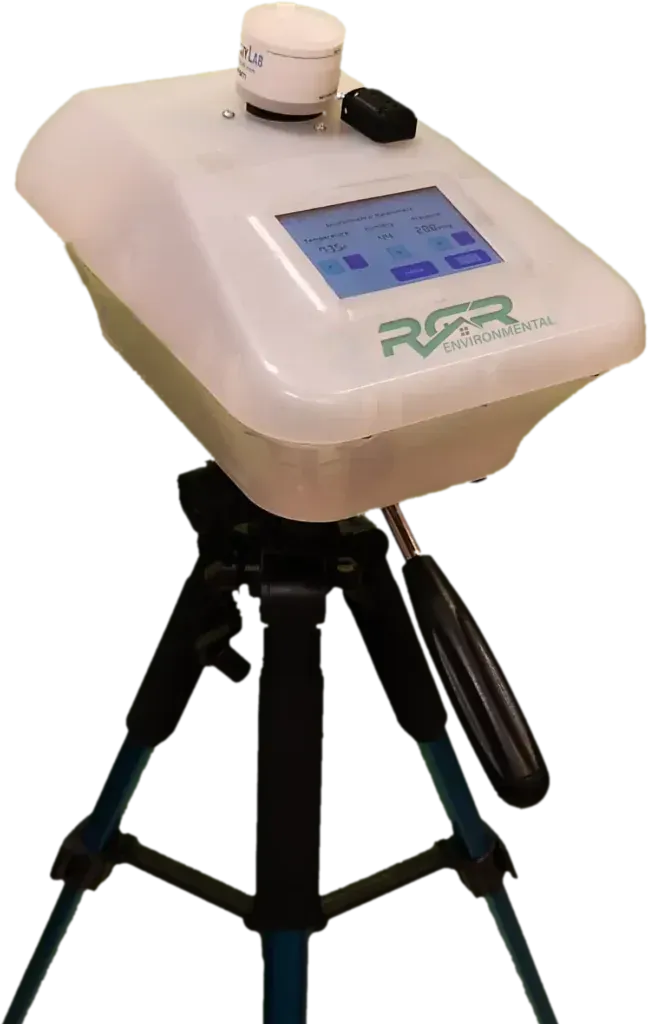
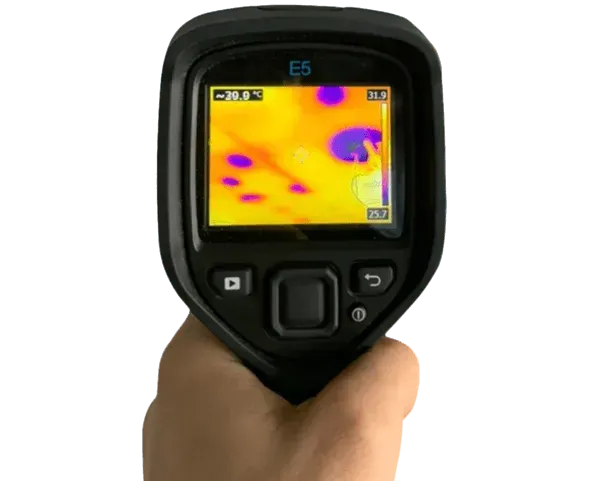
Surface Swab & Tape-Lift Testing
Surface sampling answers a specific question: “What is this material on the surface, and is it consistent with mold?” It's a targeted, purpose-driven method used when visible evidence needs documentation or confirmation.
ASTM International publishes standards on tape-lift collection (ASTM D7910) and microscopy examination of tape-lift samples (ASTM D7658), providing a recognized framework for this type of analysis.
CERTIFIED & Recommended





When Surface Sampling Is the Right Tool
Document Visible Growth
A visible patch you need to document for remediation scope, insurance, or dispute purposes.
Confirm Whether It’s Mold
You want to confirm whether a stain, discoloration, or suspected growth is actually consistent with fungal material.
Targeted Hot Spot
A specific area needs focused documentation—behind a cabinet, along a baseboard, near a window frame, or on a ceiling.
Tape Lift vs. Swab Sampling
Tape-Lift Sampling
Best for capturing surface material for microscopy. Standardized collection practices exist (ASTM D7910).
- Useful for visible suspect growth, spotting, or staining on accessible surfaces
- Clear adhesive captures particles directly for lab microscopy
- Works well on flat or semi-smooth surfaces like drywall, wood, tile
Swab Sampling
Best for tight areas or textured surfaces where tape can't make full contact. Labs may transfer swab material for microscopy methods.
- Useful for porous, irregular, or textured materials
- Collects material from specific locations: corners, seams, behind trim, under sink edges
- Sterile collection ensures the sample represents the target area
Which Method Do We Use?
We select the collection method based on the surface type, location, and what will yield the most reliable result. In many cases, both methods may be used at different sample points within the same assessment.
Schedule Surface Testing
Get Started Today
If you see visible suspect growth, staining, or discoloration and need confirmation or documentation, surface sampling provides lab-certified identification to guide the right cleanup approach.
What Surface Sampling Should Not Be Used For
Surface sampling is purpose-driven and location-specific. Using it outside that context can lead to misleading conclusions:
- ×Taking a sample from random dust or unrelated areas and treating it as proof of a problem. Surface dust often contains mixed outdoor/indoor debris that has nothing to do with active growth.
- ×Relying on surface results alone to define a remediation scope. Surface sampling identifies what’s on a material, but the moisture pathway and extent of concealed damage require broader investigation.
- ×Using surface sampling as a "screening" method for an entire home. It’s best used for specific, suspect locations—not general surveys.
What You Receive
Frequently Asked Questions
When is surface sampling better than air sampling?
Surface sampling is the right tool when you can see the suspect material and need to confirm what it is. Air sampling captures what’s airborne; surface sampling captures what’s on a specific material. They answer different questions, and we often recommend the combination that best fits your situation.
Can I just swab a spot myself and send it to a lab?
Lab results depend heavily on collection technique, sample location, and interpretation context. A professional assessment ensures the right area is sampled, proper collection methods are used, and results are interpreted alongside building conditions—not in isolation.
What’s the difference between tape lift and swab?
Tape-lift uses a clear adhesive to capture surface material for microscopy—best for flat or semi-smooth surfaces with visible suspect growth. Swab sampling uses a sterile swab to collect material from tight or textured areas. The lab method and results are similar; the collection approach is matched to the surface.
Does surface sampling tell you the species of mold?
Direct microscopy identifies fungal structures at the genus or spore-group level. For species-level identification, culture analysis would be needed—but genus-level identification is typically sufficient for practical remediation and cleanup decisions.
Other Testing Methods
Surface sampling is one tool in a broader approach. Depending on the situation, airborne or concealed-space testing may provide additional clarity.
Related Services
Surface testing is one part of a targeted approach. Explore our other services for complete protection.
Mold Inspection
Visual assessment, infrared screening, and moisture meter verification to identify the moisture pathways driving mold growth.
Mold Remediation
Professional containment, removal, and restoration when testing confirms mold growth in your home.
Water Damage Restoration
Emergency water extraction, structural drying, and moisture management to prevent secondary mold growth.