

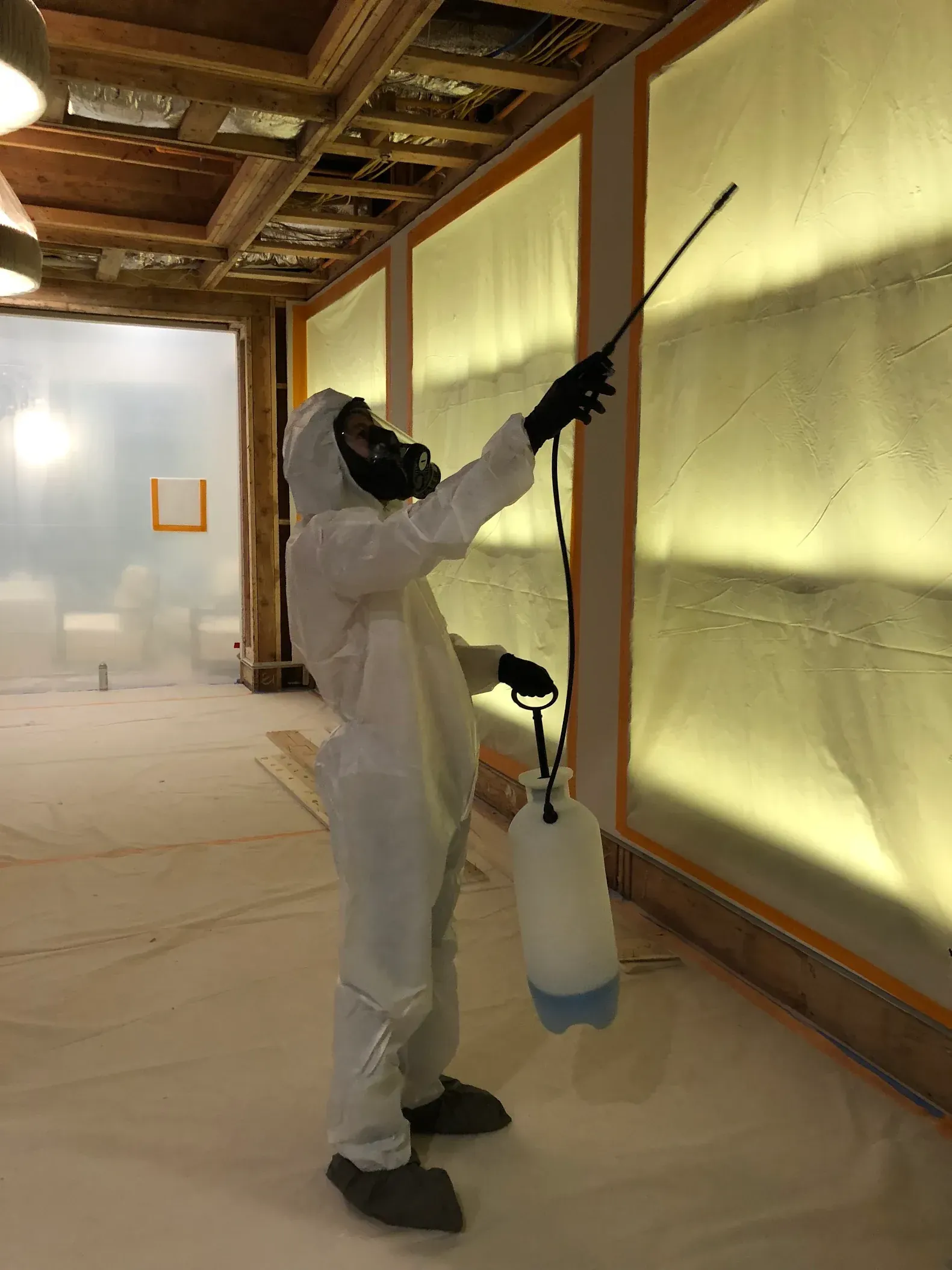
Wall Cavity
Sampling
Targeted Interstitial Air Testing
When odor, moisture history, or building conditions suggest a concealed issue behind walls or finishes, wall cavity sampling provides targeted data from the space you can’t see—helping determine where the next step should focus.
Wall Cavity Sampling
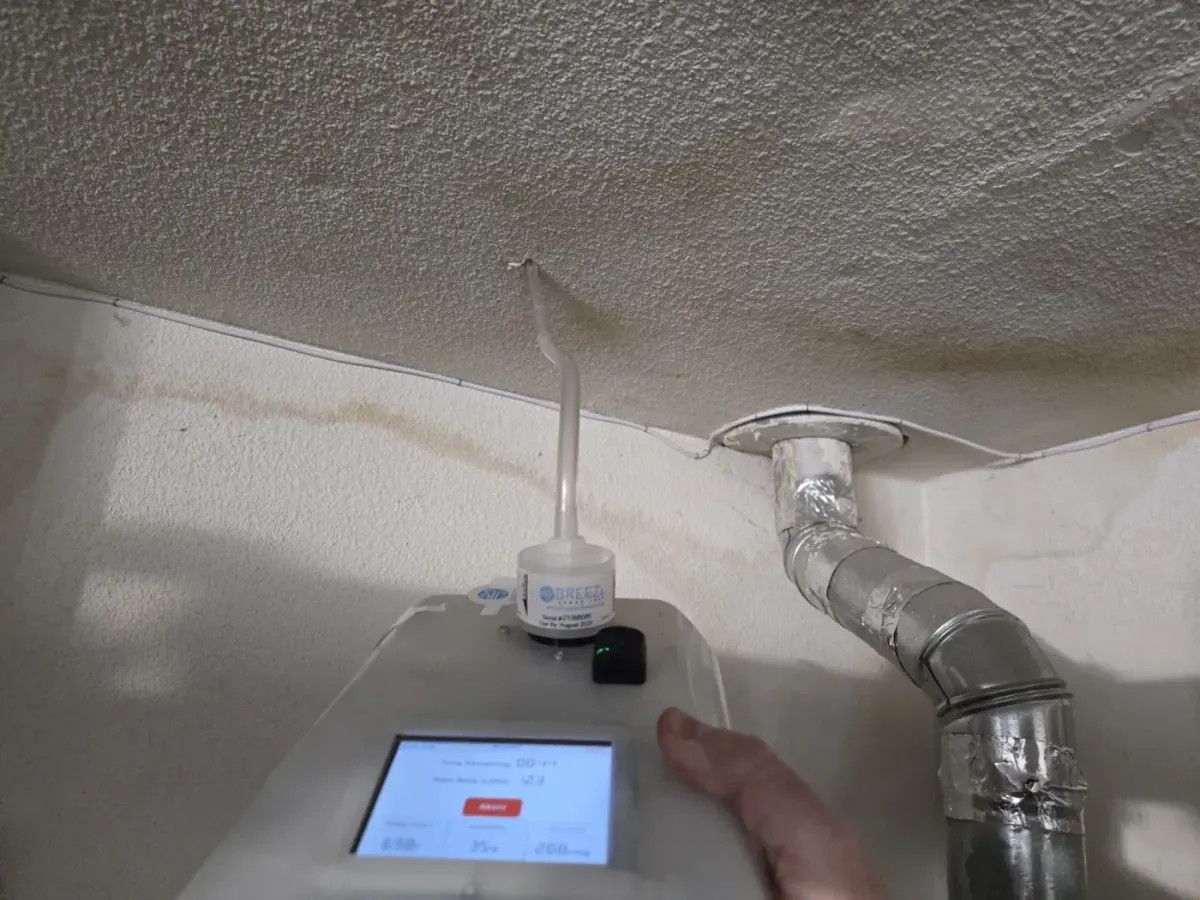
Wall cavity sampling is a targeted technique used when we suspect an issue inside a concealed space—behind drywall, inside a ceiling cavity, or within a chase—and need data to decide where the next step should focus.
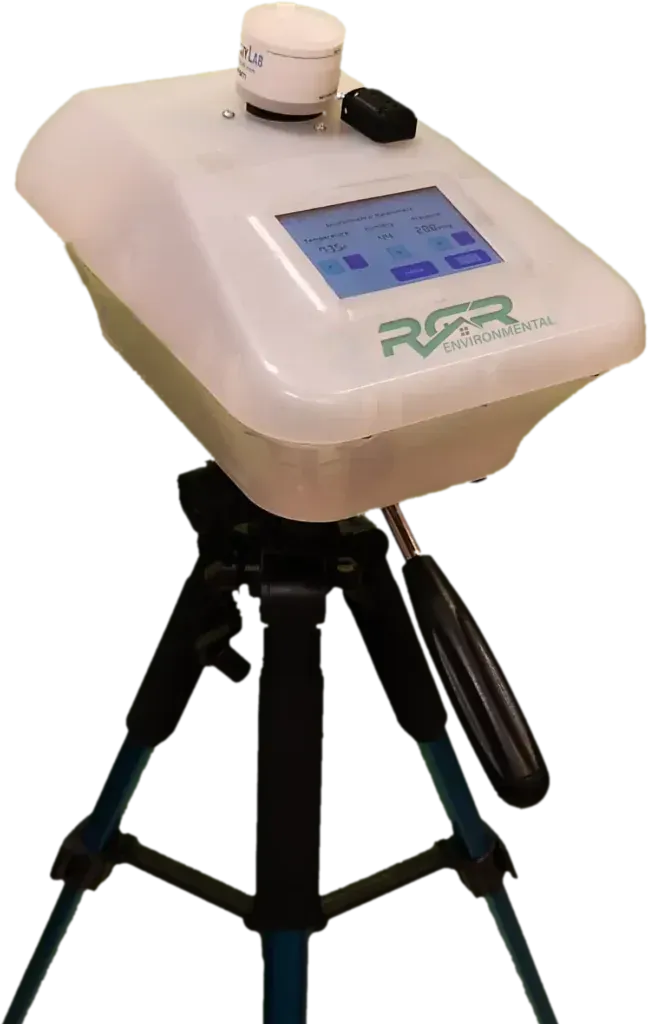
It's typically collected using a spore trap cassette, but drawn from the cavity through a small access point rather than the room air. This gives us a direct look at what's happening in the space you can't see.
CERTIFIED & Recommended






When Wall Cavity Sampling Is Useful
Musty Odor, No Visible Growth
You smell something but can’t see it. Cavity sampling checks behind the wall where odor may be originating.
Known Prior Leak
A past plumbing leak, window intrusion, or roof issue that was repaired cosmetically but may have left concealed moisture damage.
Recurring Staining or Dampness
Bubbling paint, damp baseboards, or staining that keeps coming back—suggesting an ongoing moisture pathway behind finishes.
Narrowing the Scope
Before opening up walls or ceilings, cavity testing helps confirm whether a specific area warrants further investigation.
What Cavity Sampling Helps Answer
“Is this wall or cabinet area harboring hidden mold growth?”
Cavity results that differ significantly from normal indoor/outdoor air suggest concealed fungal activity worth investigating.
“Is the concern localized or more widespread?”
Comparing cavity results across multiple locations helps determine whether one area is the source or if the issue extends further.
“Do we have evidence to justify opening up this area?”
Before committing to demolition or exploratory access, cavity data provides supporting evidence for the decision.
How Cavity Samples Are Collected
Identify the suspect area
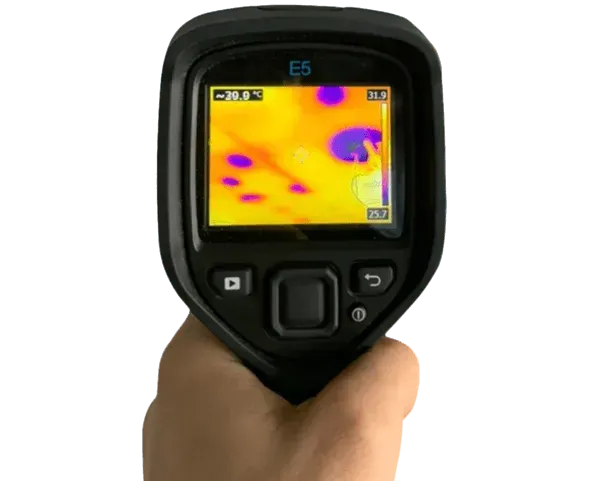
Using moisture screening, thermal imaging, odor patterns, and building history, we determine which concealed spaces warrant sampling.
Create a controlled access point
A small, controlled access point is made when appropriate—or we use an existing penetration (outlet, pipe chase, etc.) to reach the cavity.
Collect the cavity air sample
A sampling tube pulls air from the cavity through a spore trap cassette, capturing what’s present in the concealed space.
Interpret with context
Results are interpreted alongside the outdoor baseline, nearby room air, moisture evidence, and building history to provide a clear recommendation.
Schedule Wall Cavity Sampling
Get Started Today
If you suspect hidden mold behind walls, ceilings, or finishes—whether from a past leak, persistent odor, or elevated moisture readings—targeted cavity sampling helps confirm what's there before you commit to opening anything up.
Limitations to Understand
- !Wall cavity results are best used as a decision-support tool—not a standalone verdict. They help indicate whether a concealed area has a fungal signature that differs from normal indoor/outdoor air.
- !Short-term sampling may not represent full exposures. Conditions inside a cavity can change with temperature, humidity, and air movement patterns.
- !We prioritize moisture source identification and scope definition over “chasing numbers.” Cavity sampling is one data point in a broader assessment.
Frequently Asked Questions
Does wall cavity sampling require cutting a large hole in my wall?
No. We use a small, controlled access point—often an existing penetration or a minor opening that can be easily patched afterward. The goal is to get data from the concealed space with minimal disruption.
Can cavity sampling replace opening up the wall entirely?
It helps determine whether opening the wall is justified. If cavity results show a fungal signature that differs from normal indoor/outdoor air, that’s evidence to support targeted access. If results are unremarkable, it may save you from unnecessary demolition.
How do cavity results compare to regular room air sampling?
Room air captures what’s circulating in the living space. Cavity air captures what’s trapped inside a concealed space. When a cavity shows elevated or unusual fungal activity that the room air doesn’t, it suggests a localized, hidden issue worth investigating further.
What if the cavity results come back normal?
That’s useful information too. It may rule out that specific wall or area and redirect the investigation to other suspect locations—saving time and repair costs.
Other Testing Methods
Wall cavity sampling is often used alongside other methods depending on the situation and what questions need answering.
Related Services
Cavity sampling is one part of a targeted approach. Explore our other services to address the full picture.
Mold Inspection
Visual assessment, infrared screening, and moisture meter verification to identify the moisture pathways driving mold growth.
Mold Remediation
Professional containment, removal, and restoration when testing confirms mold growth in your home.
Water Damage Restoration
Emergency water extraction, structural drying, and moisture management to prevent secondary mold growth.