

Spore Trap
Air Sampling
Air Cassette Mold Testing with Outdoor Baseline
Indoor air sampling using spore trap cassettes is one of the most common ways to document airborne fungal particles in a home or building. When combined with an outdoor baseline, the results gain meaningful context for evaluation.
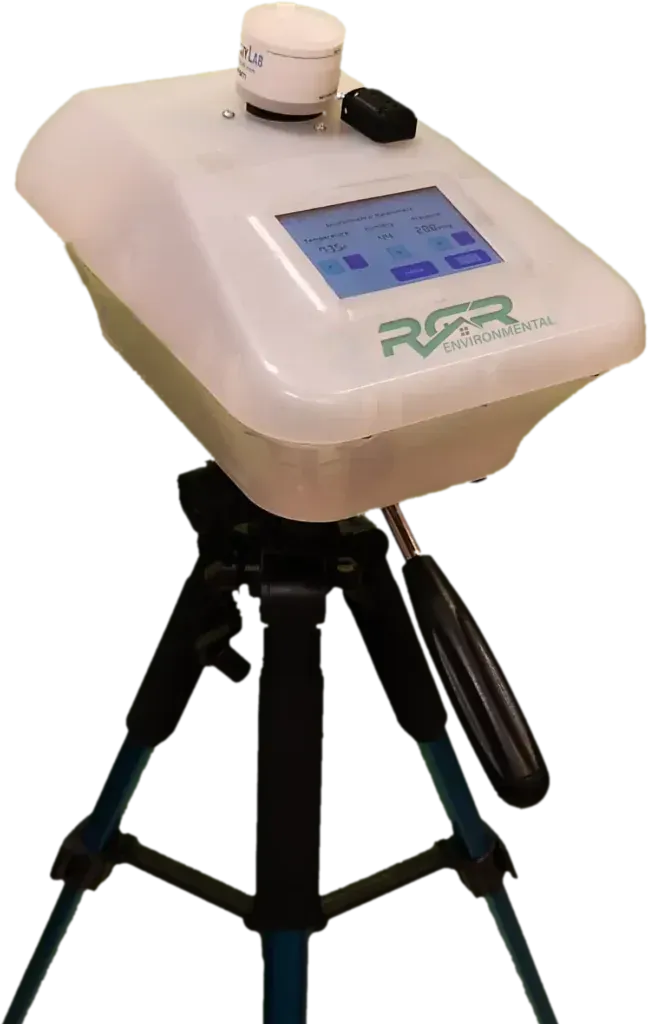
Spore Trap Air Sampling
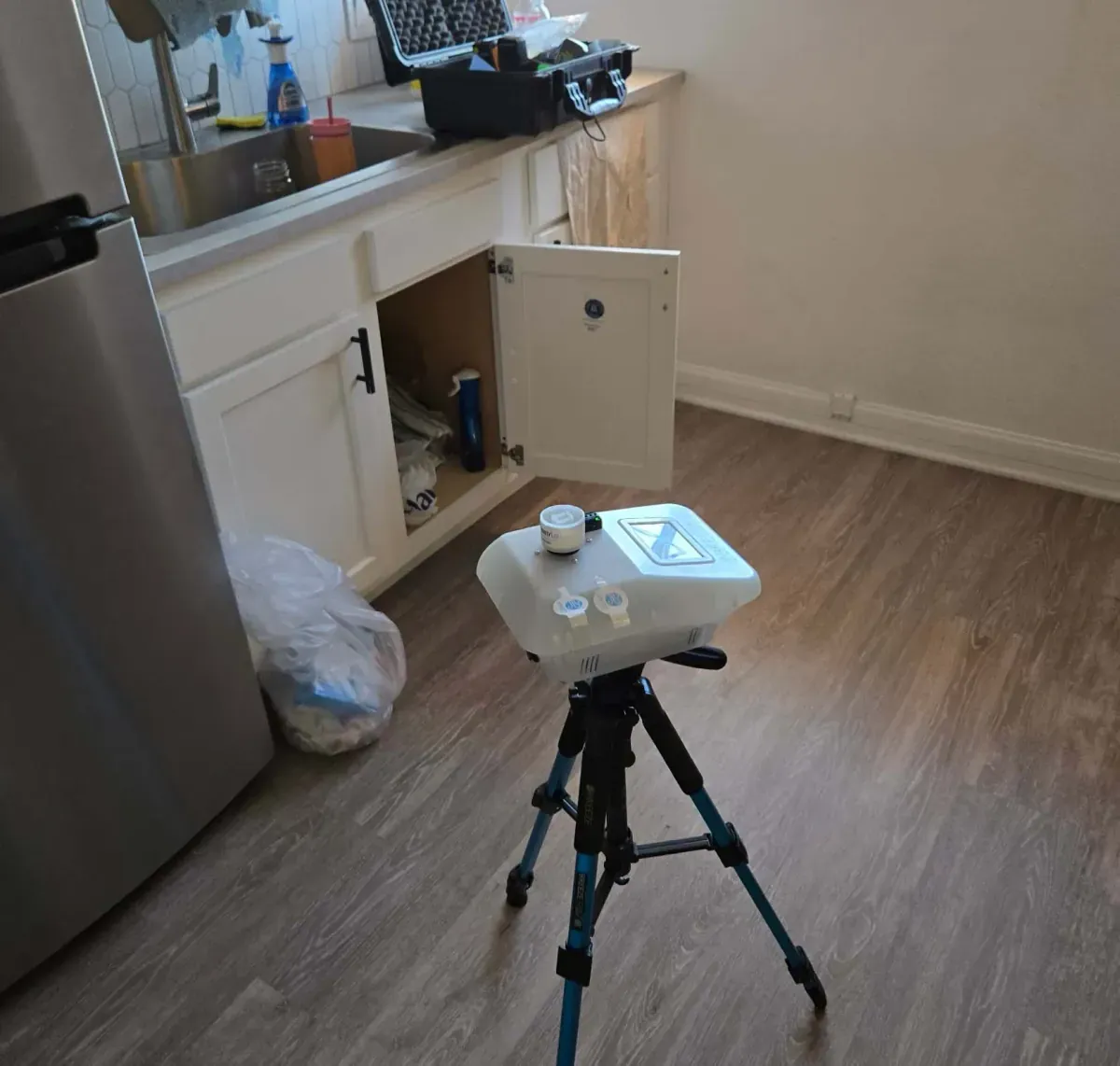
Spore trap air cassettes capture airborne fungal structures through a calibrated pump drawing a known volume of air. The laboratory analyzes each cassette using recognized microscopy methods, providing a snapshot of what was present at the time of sampling.
We always include an outdoor baseline so your indoor results have context—because the question isn't just “is there mold in the air?” It's “how does the indoor air compare to what's normal outside right now?”
CERTIFIED & Recommended




Why We Include an Outdoor Baseline
Outdoor air naturally contains mold spores and varies by season, wind, and vegetation. An outdoor baseline gives your indoor results context—so the question becomes: “How does the indoor air compare to what's normal outside right now?”
Without a baseline, elevated indoor counts may look alarming when they’re actually consistent with the outdoor environment
A baseline reveals when indoor spore types or concentrations differ from what’s expected—pointing toward a likely indoor source
Seasonal shifts (spring pollen, post-rain spikes) affect outdoor counts and must be factored into interpretation
Paired indoor/outdoor data provides stronger documentation for remediation planning, disputes, or post-clearance verification
When Spore Trap Sampling Is Most Useful
Unexplained Musty Odor
When you smell something but can’t see a visible source, air sampling helps determine whether airborne fungal levels suggest a hidden issue.
Symptoms That Improve Away From Home
If allergy-like symptoms, headaches, or respiratory irritation ease when you leave the home and return when you come back, sampling helps correlate the indoor environment.
Post-Remediation Documentation
After professional mold removal, clearance sampling provides lab-certified confirmation that the work achieved the intended result.
Disputed Situations
Renter/owner or property management disagreements often need objective, third-party lab data. Spore trap results provide documentation that can support the next step.
What Spore Trap Sampling Can and Can't Tell You
What It Tells You
- A snapshot of the airborne fungal structures present at the time of sampling
- Types and relative concentrations of spore groups detected
- How indoor findings compare to the outdoor baseline
- Whether the profile suggests normal background influence or a likely indoor source
What It Doesn't Do
- ×Prove "safe vs unsafe" by a single number—there are no health-based indoor standards for mold in air (CDC/NIOSH)
- ×Capture every exposure—short-term sampling can miss intermittent or activity-driven spikes
- ×Identify the exact location of a hidden source without supporting investigation
- ×Replace a moisture assessment—sampling documents what’s airborne, not what’s driving the growth
NIOSH notes there are no health-based standards for mold in air and does not recommend routine air sampling as a general building evaluation tool. That's why we position sampling as purpose-driven documentation—answering a specific question, not providing a pass/fail grade.
How We Collect Spore Trap Air Samples
Establish the goal
We start by understanding your concern—odor complaint, symptom correlation, documentation need, or post-remediation verification—so sampling locations are chosen with purpose.
Collect outdoor control + targeted indoor locations
An outdoor baseline is always collected alongside indoor samples in areas of concern. Additional locations may be added based on the home’s layout and the question being answered.
Clean handling and chain-of-custody
Every cassette is sealed, labeled, and documented with chain-of-custody practices. Samples are delivered to an accredited laboratory for direct microscopic analysis.
Review results with building context
We interpret lab findings alongside the building conditions we observed—leaks, dampness, visible growth, repairs, HVAC patterns—so the results mean something actionable, not just numbers on a page.
Schedule Spore Trap Air Sampling
Get Started Today
Whether you're dealing with a persistent odor, symptoms that improve when you leave the home, or need documentation for a property dispute, spore trap sampling paired with an outdoor baseline gives you objective, lab-certified data and clear next steps.
What You Receive
Frequently Asked Questions
Do you recommend air sampling for every mold concern?
Not always. Many situations are best handled by identifying moisture and visible impacts first. Air sampling adds the most value when there’s an unexplained odor, symptoms that improve away from the home, post-remediation verification needs, or a dispute that requires objective documentation.
How many air samples are typically collected?
It depends on the layout and concern. Most projects include an outdoor baseline plus targeted indoor samples in key areas. Larger homes or multi-zone complaints may warrant additional locations to build a clearer picture.
Can one air sample tell me if my home is "safe" or "unsafe"?
No. CDC and NIOSH emphasize that there are no health-based indoor standards for mold in air. A single sample provides a snapshot—not a verdict. That’s why we interpret results in context: indoor vs outdoor comparison, building history, moisture evidence, and observed conditions.
What affects air sampling results?
HVAC operation, windows open or closed, recent cleaning or vacuuming, foot traffic, fan placement, humidity events, and even the time of year can all influence a short-term air snapshot. We document these conditions so the results can be interpreted accurately.
Other Testing Methods
Air sampling is one tool in a broader approach. Depending on the situation, other methods may be more targeted or used alongside spore trap sampling.
Related Services
Air sampling is one part of a complete approach. Explore our other services to protect your home and health.
Mold Inspection
Visual assessment, infrared screening, and moisture meter verification to identify the moisture pathways driving mold growth.
Mold Remediation
Professional containment, removal, and restoration when testing confirms mold growth in your home.
Water Damage Restoration
Emergency water extraction, structural drying, and moisture management to prevent secondary mold growth.