
Dehumidification &
Structural Drying
Moisture Removal That Prevents Mold Regrowth
If building materials are still wet, mold removal is incomplete—because moisture is what allows microbial growth to return. RCR Environmental provides professional dehumidification and structural drying services to remove moisture from the air and from building materials, helping protect your home’s structure and indoor air quality.
Hidden Moisture Is Why Mold Regrows
After a leak, flood, or HVAC/condensation issue, moisture doesn't just sit on the surface. Water can soak into drywall and insulation, baseboards and framing, subfloors and underlayment, cabinets and toe kicks, wall cavities and ceiling bays.
Even when things “look dry,” materials can still be holding moisture—especially behind walls or under floors. That's when you get the common cycle: cleanup → smell → staining → mold returns.
CERTIFIED & Recommended




Common Situations We Dry
Structural drying is what prevents mold from coming back. If you've had water intrusion, these are the scenarios where professional drying makes the difference.
Slab Leaks & Bathroom Leaks
Water migrating under flooring and into wall cavities from slab or plumbing failures requires targeted extraction and monitoring.
Water Heater & Supply Line Breaks
Sudden high-volume water loss saturating subfloors, baseboards, and adjacent materials needs rapid equipment deployment.
Under-Sink & Cabinet Saturation
Slow leaks under sinks saturate cabinet bases, toe kicks, and adjacent flooring—common sources of hidden mold when left untreated.
HVAC Condensation & Attic Moisture
Condensation from HVAC systems, attic units, and closet air handlers can wet surrounding materials over time, creating persistent moisture conditions.
Professional Drying Using Psychrometry
Drying isn't just “putting fans down.” Real structural drying is a controlled process based on psychrometry—how temperature, humidity, and airflow work together to move moisture out of materials.
Evaporation
Air movers direct high-velocity airflow across wet surfaces, accelerating evaporation of moisture from structural materials.
Dehumidification
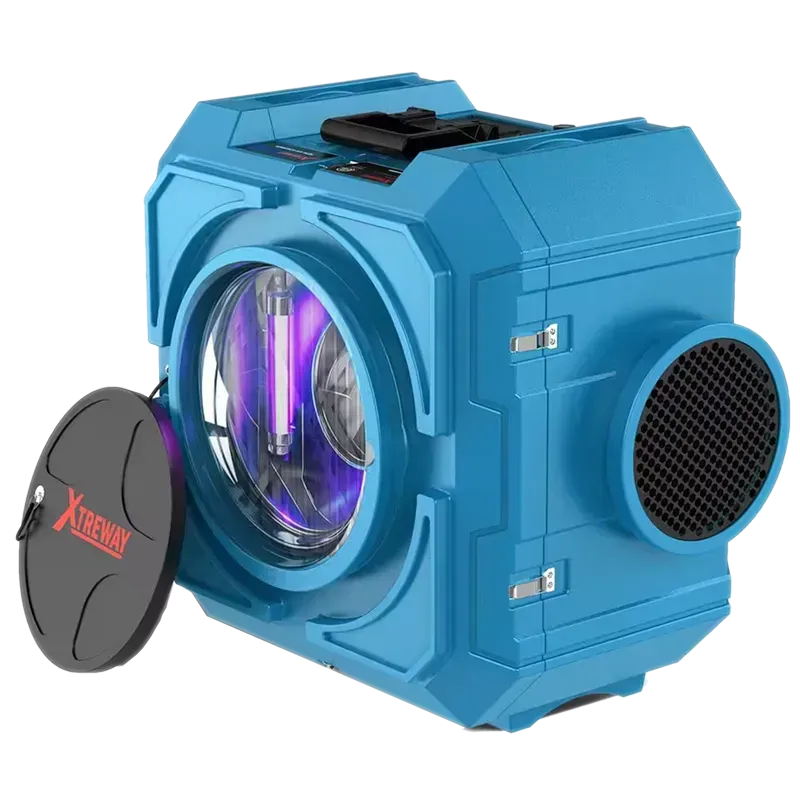
Industrial dehumidifiers remove the moisture that evaporation releases into the air, preventing re-condensation on other materials.
Verification
The right conditions are maintained and monitored until materials reach documented dry targets.
When this is done correctly, it helps reduce the chance of mold amplification, protect structural materials from warping or deterioration, and speed up recovery while minimizing unnecessary demolition.
Dehumidification & Structural Drying Done Right
Moisture mapping + drying plan
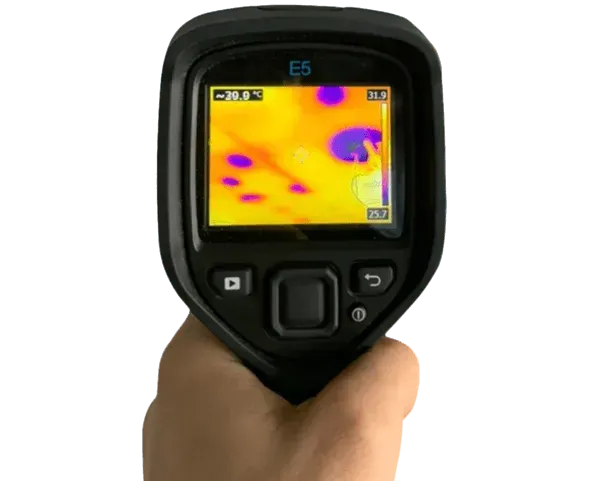
We start by locating and documenting moisture using professional tools: moisture meter readings (surface and material screening), thermal imaging for suspect areas, and targeted checks of likely wet assemblies (baseboards, corners, cabinets, subfloors). Then we build a drying plan based on how the building is actually affected.
Controlled drying setup
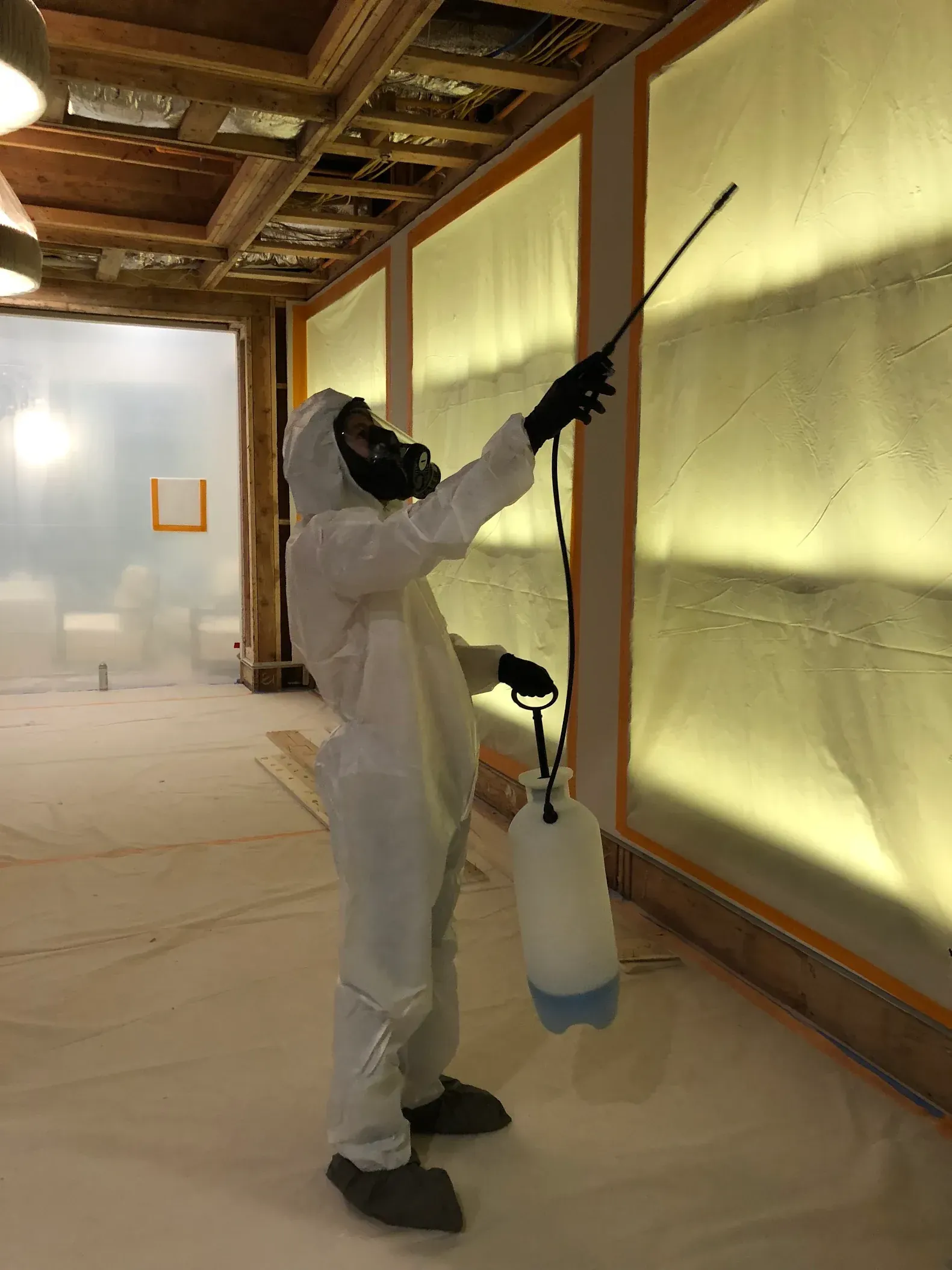
Depending on the loss, we may use LGR dehumidifiers for efficient moisture removal, air movers positioned for effective airflow patterns, HEPA air scrubbers when conditions require extra environmental controls, and containment/ negative air if there's a risk of cross-contamination.
Daily monitoring + adjustments
Drying is not “set it and forget it.” We track progress through humidity and temperature trends, moisture content movement (materials taper down, not just air readings), and adjustments in equipment placement or quantity as conditions change.
Dry standard verification
We don’t stop at “it feels dry.” We work toward drying goals appropriate for the structure—so repairs don’t trap moisture behind new materials.
Related Remediation Services
Structural drying often works alongside other remediation methods depending on site conditions and contamination levels.
Whole-Home Decontamination
Post-drying and post-remediation antimicrobial treatment for odor and microbial support.
HVAC & Duct Decontamination
When the HVAC system acts as a moisture or contamination distribution pathway.
Post-Remediation Clearance
Lab-certified verification after drying and remediation are complete.
Negative Air Pressure
Controlled airflow to prevent cross-contamination during drying and remediation work.
Containment Area Setup
Sealed containment zones to isolate affected areas during remediation and drying.
Mold Abatement & Removal
Professional removal of contaminated materials when mold growth accompanies moisture damage.
Structural Drying in Riverside County
Don’t Rely on “It Looks Dry”
If you've had a leak or water intrusion, let's verify and dry it correctly to prevent mold regrowth and protect your structure. Not sure what method you need? Start with a professional mold inspection.
Why RCR Environmental
Structural drying protects the part of the job most people never see—but it's what prevents repeat problems later. With RCR Environmental, you get:
- A drying plan grounded in building science (psychrometry + moisture behavior)
- Professional monitoring instead of “fan rental” drying
- A process built to support your next step: repairs, remediation, or clearance testing when appropriate
- Local experience with common Riverside County moisture scenarios (slab leaks, water heaters, attic HVAC condensation, roof intrusion)
Frequently Asked Questions
How long does structural drying take?
It depends on materials, saturation level, and access. Some drying projects are short; others require ongoing monitoring—especially when moisture is concealed behind walls or under floors.
Is running fans enough?
Fans alone can spread moisture around and may not reduce humidity effectively. Without dehumidification and monitoring, materials can remain wet even if the room feels dry.
Can you dry without tearing everything out?
Often, yes—especially when drying begins quickly and access points can be created strategically. But if materials are heavily damaged or contaminated, removal may still be required.
Why does mold come back after cleanup?
Because moisture remained in materials or cavities. Mold doesn’t need much—if dampness persists, regrowth is likely. Proper structural drying is what prevents the cycle from repeating.
Not Sure If You Need Drying or Remediation?
If there's visible growth, musty odor, or prolonged wetness, you may need both. Drying addresses moisture; remediation addresses contamination.
Start with a professional inspection if you're unsure what's happening behind surfaces. We'll map moisture, identify likely sources, and recommend the right path.
Related Services
Dehumidification is one part of a comprehensive moisture and mold management approach. Explore our related services.
Water Damage Restoration
Emergency water extraction, structural drying, and moisture management for water damage events.
Mold Remediation
Full remediation process including containment, removal, and clearance — drying is integrated into every qualifying project.
Mold Inspection
Visual assessment, infrared screening, and moisture mapping to identify the full extent of moisture intrusion.